8 things to do in Cawsand and Kingsand, Cornwall
Sitting side by side on the Rame Peninsula, the twin villages of Cawsand and Kingsand are a fantastic escape from Plymouth.
In summer, head down to Plymouth’s Barbican, hop on the Cawsand Ferry and within half an hour, you’ll have crossed the sound and landed on Cawsand’s shingle and sand beach.
Outside of the summer season, you’ll need to take the long way round to ‘Cornwall’s Forgotten Corner*’.
Take the Edgcumbe Belle to Cremyll and then hike the coastal path to Kingsand, or drive over to the Rame Peninsula with the help of the Torpoint Ferry.
However you arrive, you’ll find these twin villages – once divided by a county line – are packed with maritime heritage, Napoleonic-era fortifications, and excellent eating options.
Keep reading, as we reveal our top things to do in Cawsand and Kingsand!
1. Hop on the Cawsand Ferry

Cawsand and Kingsand both lie on the Rame Peninsula, and of course, the best way to arrive here is on the water.
From the Barbican in Plymouth, the Cawsand Ferry runs across Plymouth Sound and drops you directly onto the beach within half an hour.
The only catch? It’s a seasonal, fair weather service, which is perfect when the sun is shining!
If the sound is too rough, or you’re visiting out of season, don’t fear, because you can still hop on the year-round ferry service connecting Admiral’s Hard, next to Royal William Yard, across to Cremyll.
It’s a quick, 8-minute crossing, and from Cremyll, it’s a lovely one hour walk along the South West Coast Path – through Mount Edgcumbe Country Park – to Kingsand. See my full blog post about the Cremyll ferry here!
The ferry is by far the best way to travel across to the Rame Peninsula, as you’ll avoid the long drive around via the Torpoint Ferry crossing or the Tamar Bridge. And you’ll avoid those pesky country roads too.
2. Hike to Rame Head
Once you’ve arrived in Cawsand and Kingsand, we recommend lacing up your boots and tackling the 2 mile walk (each way) to Rame Head, a blustery headland overlooking the English Channel.
From Cawsand beach, the South West Coast Path weaves its way south along clifftops, first following the sheltered waters of Cawsand Bay.
You’ll have splendid views back across to Plymouth, before the path rounds the headland and opens up on the clifftops.
The final stretch brings you to Rame Head, where a small medieval chapel rises above the surrounding coastline. St Michael’s chapel has stood here for centuries, altering sailors in the Channel of their arrival back to Plymouth Sound.
Take in the views, then head back to Cawsand and Kingsand for a well deserved pint of Doombar!
There are some more Rame Peninsula walks in this post.
3. Enjoy Cawsand and Kingsand’s beaches

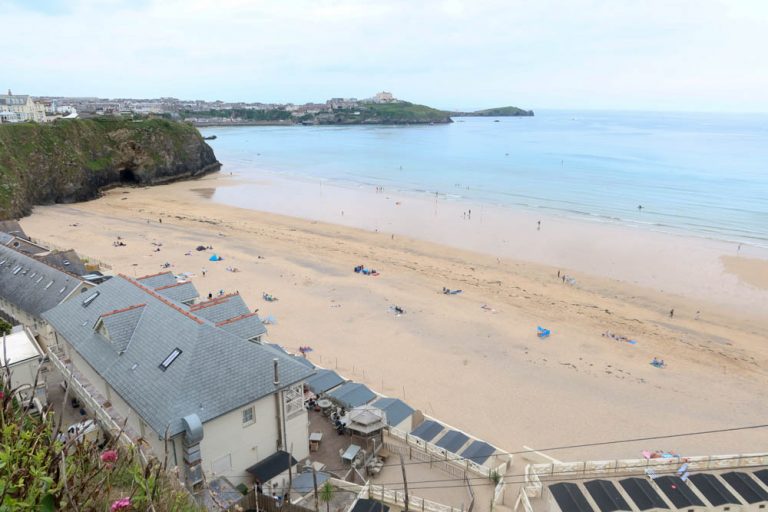
Cawsand and Kingsand’s beaches are small in scale, but big in character.
Cawsand Beach, where the ferry from Plymouth arrives, is the larger (and arguably sandier) of the two. In centuries past, smugglers would land their contraband on the sands, while in the 16th century, Spanish raiders once attempted to invade Cawsand from the beach here.
These days, there’s far less illicit activity. You’re much more likely to find sun bathers and paddleboarders than smugglers.
Enjoy the views of Cawsand Bay, take a dip in the water, and then enjoy a cold drink at the The Bay Bar & Restaurant overlooking the beach.
Directly north of Cawsand Beach is Kingsand Beach. At low tide, you can often hop over the rocks between the two, or else it’s a pleasant stroll through streets lined with old fishing cottages.
Kingsand Beach is smaller, with more shingle, but we find it’s often quieter than Cawsand Beach, particularly in summer.
4. Paddleboard or kayak across Cawsand Bay
Cawsand Bay offers some of the calmest water along this stretch of the south coast, so it’s well suited to paddleboarding and kayaking.
Sheltered within Plymouth Sound, the bay is protected from the full force of the Atlantic, creating much more stable conditions than the exposed coastline around Rame Head.
Launching from either Cawsand or Kingsand beach, it’s possible to follow the shoreline around the bay or head out towards the edge of the Sound, with views towards Plymouth and the Rame Peninsula.
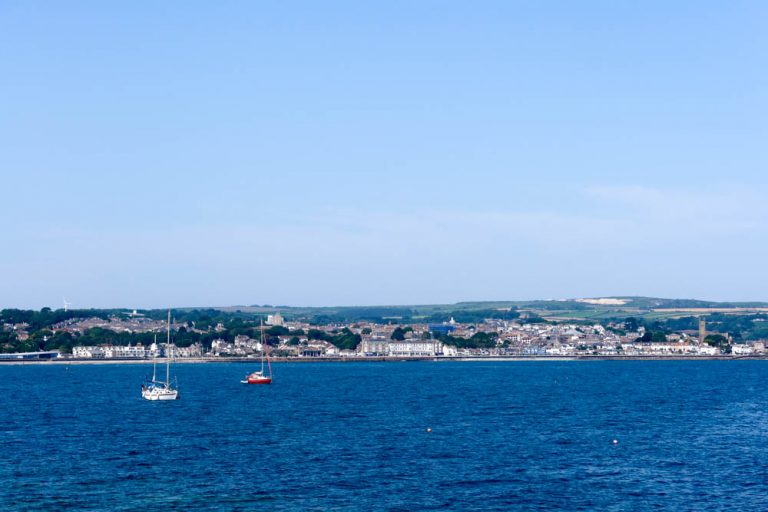
When you’re out on the water, you’ll have a wonderful panoramic view of the Sound too, where Cawsand and Kingsand’s low lying fishing cottages contrast magnificently with the loftier skyline of Plymouth.
5. Cross the old ‘border’ between Cawsand and Kingsand

It takes a few seconds to walk between Cawsand and Kingsand, but for centuries, that minute distance marked a county boundary.
Until 1844, Cawsand was in Cornwall and Kingsand in Devon, and on Garret Street – next to the Halfway House Inn – you can still find the old county marker between the twin villages.
Both villages are now firmly in Cornwall, but there’s still a lingering rivalry between the two! Take a stroll down Garrett Street, walk from Cawsand to Kingsand, and you’ll feel a sense of the heritage that makes these villages so unique.
6. Explore Napoleonic-era history at Maker Heights

Rising above Kingsand and Cawsand, Maker Heights forms part of the defensive ring built to protect Plymouth Sound during the late 18th and early 19th centuries, particularly during the wars with Napoleonic France.
Its elevated position offered clear views across the water towards Plymouth, allowing artillery to cover approaches to one of Britain’s most important naval bases.
The remains of forts, batteries and barracks are still found across Maker Heights, including Napoleonic-era fortifications and later gun emplacements constructed during the First and Second World Wars.
Today, Maker Heights is part of a protected heritage area, offering a deep dive into history and fantastic views of Plymouth.
Once you’ve hiked uphill and explored the old forts, you can call into The Canteen at Maker Heights. Located in a repurposed Nissen Hut originally constructed during World War II, this community-focused cafe is run by a former River Cottage chef who serves up excellent wood-fired pizzas.

7. Stroll through the grounds of Mount Edgcumbe Country House
A short hike from Kingsand and Cawsand brings you to Mount Edgcumbe Country Park, where you’ll find a more formal landscape centred on the Edgcumbe family’s historic country home.

The estate dates back to the 16th century, when the Edgcumbes established their seat overlooking Plymouth Sound. The current house was largely rebuilt after being heavily bombed during the Second World War, when its proximity to Plymouth made it vulnerable during German air raids on the naval dockyards.
Today, it stands as a restored country house, set within extensive grounds that include a mixture of formal gardens, woodland and open coastal parkland. Footpaths run throughout the estate, linking ornamental gardens with wider views across the Sound and out towards the Channel.
8. Explore Kingsand’s unusual lava flows
Lava flows? In Kingsand? Yes, you did read that correctly. Kingsand’s shoreline is home to one of Cornwall’s rarest geological features, the millenia-old remnants of a Rhyolitic lava flow. Evidence of volcanic activity dating back millions of years, you can see these distinctive rock formations down by the old pilchard cellars on Kingsand’s beach.
In fact, the pilchard cellars were also carved from Rhyolitic rock, and although they now stand abandoned, the cellars themselves reflect Kingsand’s rich maritime heritage.
From the 16th century onwards, pilchards (sardines) were caught in large numbers along this coast, then processed, salted, and stored in these stone buildings before being exported across Europe.