North Cornwall vs South Cornwall: which is best to visit?
Cornwall’s two coastlines are completely different.
The north coast faces the Atlantic Ocean, with huge waves, exposed cliffs and long sandy bays.
The south coast looks onto the calmer English Channel, with sheltered coves, historic fishing harbours and gentler scenery.
If you’re planning a trip to Cornwall, it’s worth thinking carefully about which side of the county suits you best – although ideally, you’ll want to spend time on both!
I’ve travelled across both coasts extensively. Here’s my verdict on which is better!
Beaches
North Cornwall
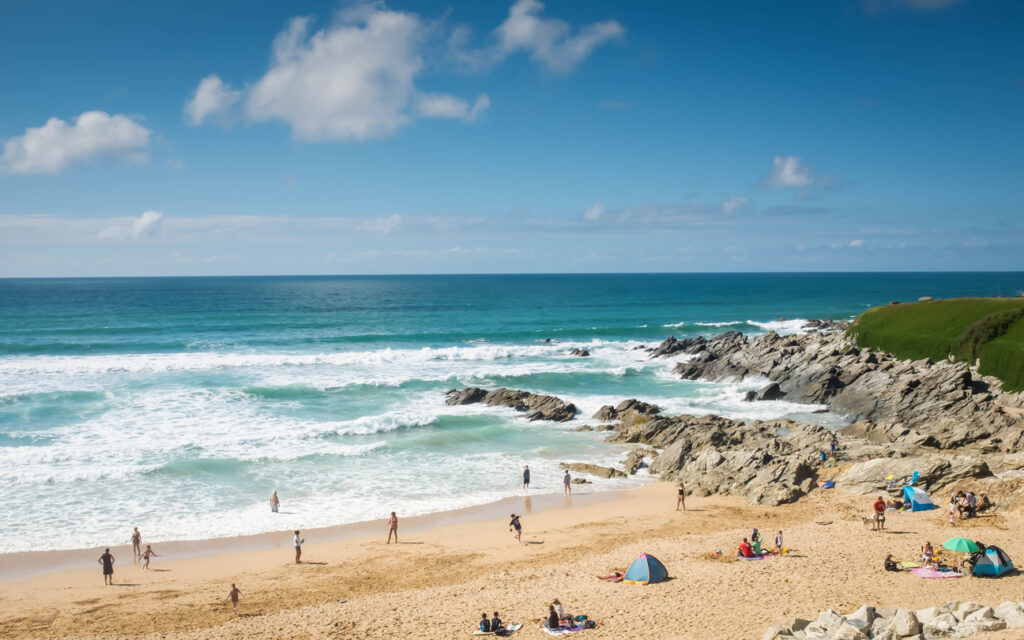
North Cornwall is home to the Duchy’s most famous surf beaches.
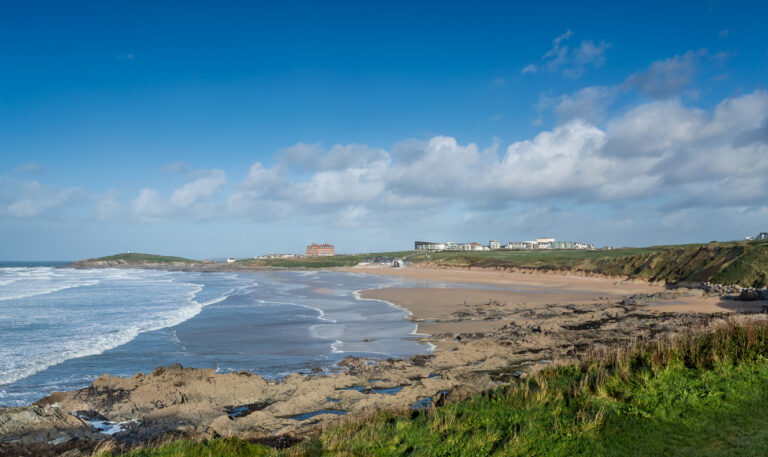
Fistral in Newquay is a surfing paradise, Polzeath is a great beginner spot and Bude has a wide sandy bay with lifeguards in summer.
These beaches are big, dramatic and backed by incredible cliffs!
The flip side is that Atlantic swells mean strong rip currents, so they aren’t always the safest for swimming. Newquay and St Ives in particular get very crowded in summer, and parking can be a headache!
South Cornwall
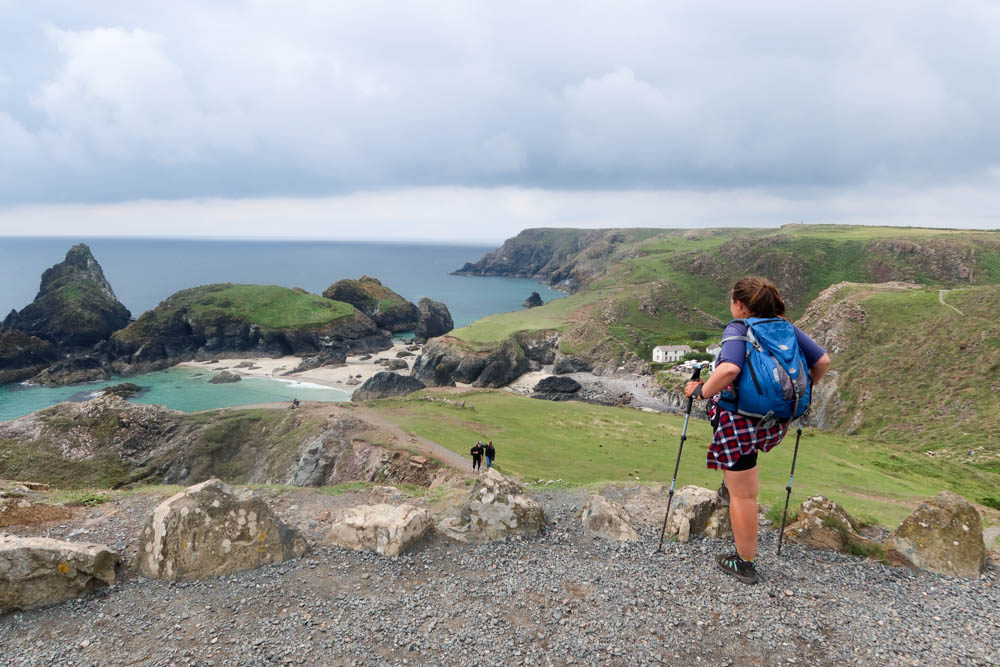
Beaches on the south coast feel calmer – although they can still be very busy.
Gyllyngvase in Falmouth has gentle waves, clear swimming water and cafés right on the sand.
On the Roseland Peninsula, coves like Carne and Pendower are family favourites, and Kynance Cove on the Lizard is famous for its turquoise water and striking rocks (that said, Kynance Cove can be incredibly busy in the summer, and I’d recommend avoiding it in July and August).
You won’t find the same surf here, but the sea is usually safer (although it’s still crucial to follow RNLI advice) and the beaches are closer to towns with good facilities.
In summer, the most popular spots can be just as busy as the north, but overall it’s the better choice if you want an easier day at the beach!
Hikes
North Cornwall
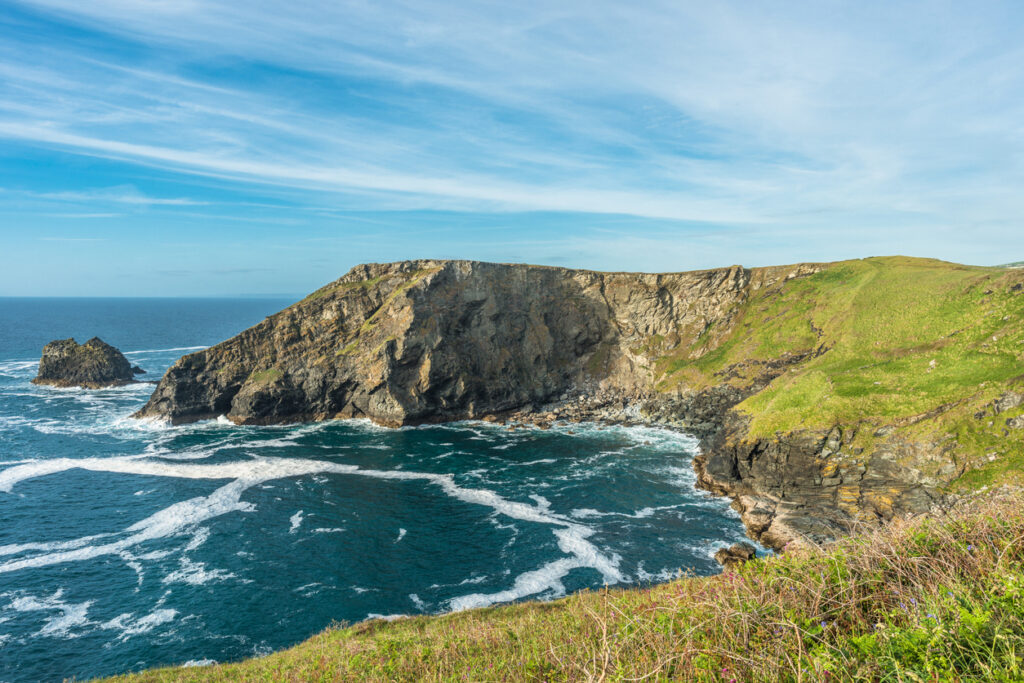
North Cornwall has some of the most dramatic walking in England.
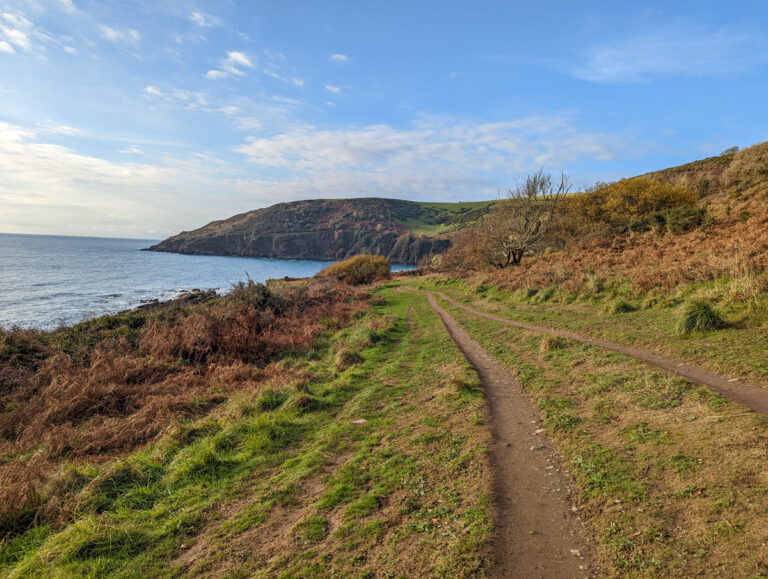
The South West Coast Path from Bude to Port Isaac is full of jagged cliffs and sea stacks. Bedruthan Steps is another highlight, with giant rock formations scattered along the beach.
These walks are tough – the climbs are steep and once you’re on the path, you’re fairly committed. They’re perfect if you want a challenge and scenery that feels wild and remote. The downside is the lack of facilities on route, so you need to be well prepared!
Easier options are available – the Camel Trail from Padstow to Bodmin is one of my favourite flat routes, and hiking around Newquay is comparatively easier than North East Cornwall – but generally, expect more challenging hiking here!
South Cornwall
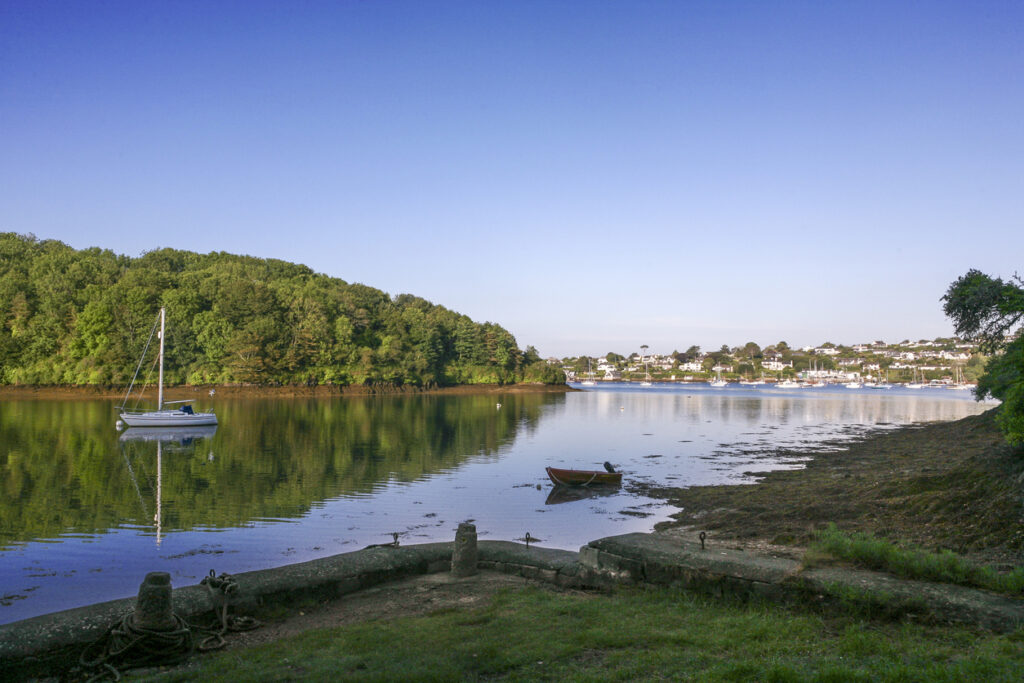
South Cornwall’s hiking can be a little more chilled.
Estuary trails around Fowey, the Helford River and the Fal are mostly flat, winding past creeks and woodland. The Roseland Peninsula has headland walks with sea views, but they’re easier to tackle than the cliff sections up north.
This part of Cornwall works well if you’re travelling with a group and want a mix of shorter strolls and half-day hikes. The only catch is that paths around places like Fowey and Falmouth can get crowded in summer, so it doesn’t always feel as wild as the north.
Villages, towns and cities
North Cornwall

Towns and villages in North Cornwall tend to be smaller and more spread out.
One of the most famous is Tintagel, with its clifftop castle and Arthurian links. Port Isaac is another favourite, it’s a tiny fishing village with narrow lanes leading down to a picturesque harbour. Padstow has made its name as Cornwall’s foodie capital, but its popularity means high prices and big summer crowds.
Further north, Bude is a seaside resort with family-friendly beaches and even a seawater pool cut into the rocks.
Wadebridge, which is slightly inland, is handy as a base and connects to the Camel Trail cycle path.
Overall, the north has plenty of charm. It has fewer “big” towns to explore – but that’s why some people love it!
South Cornwall
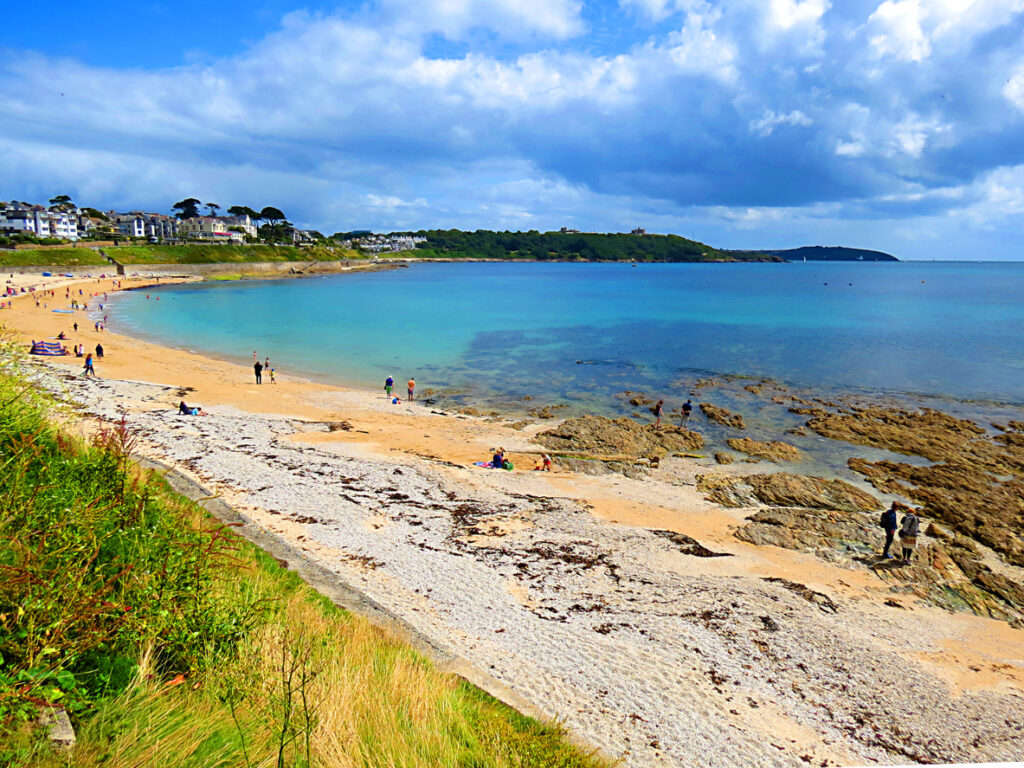
South Cornwall has more variety.
Falmouth is a lively harbour town with a university, museums and a decent food scene. Truro is Cornwall’s only city, with its cathedral and central shopping streets.
Mevagissey and Fowey both have the classic narrow-street, fishing-harbour feel. Mevagissey is more traditional, while Fowey has strong literary links with Daphne du Maurier.
On the Roseland Peninsula, St Mawes is one of the prettiest seaside villages in the county, complete with a castle overlooking the bay.
The south coast generally feels more accessible, although it can be busier and more built up than the north.
Attractions
North Cornwall
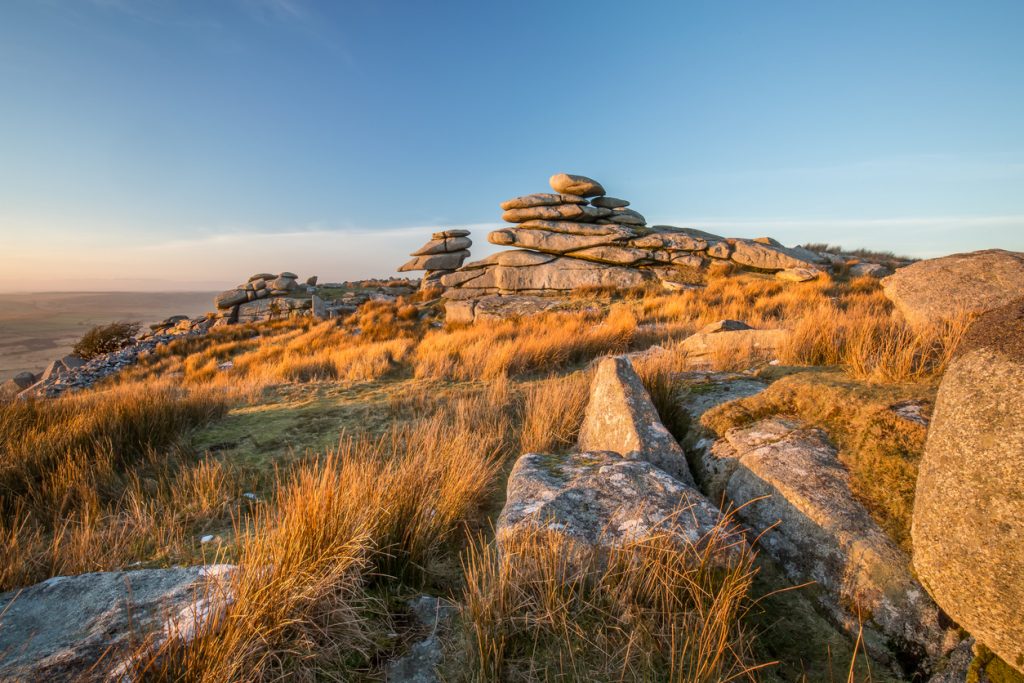
Attractions in North Cornwall are more outdoor-focused.
Tintagel Castle is the big draw, with its dramatic clifftop ruins and stories of King Arthur. The Camel Trail is a popular cycling route running along a disused railway line between Bodmin, Wadebridge and Padstow, with flat terrain and great scenery.
Bodmin Moor is home to stone circles, old mines and remote walking (although the south is easy to reach from Cornwall’s south coast).
Surf schools are everywhere – especially around Newquay and Polzeath – so this coast is a natural choice if you want to learn.
The north has fewer gardens and stately homes compared to the south, but if you’re into history, legends and active attractions, it’s got plenty to keep you busy!
South Cornwall
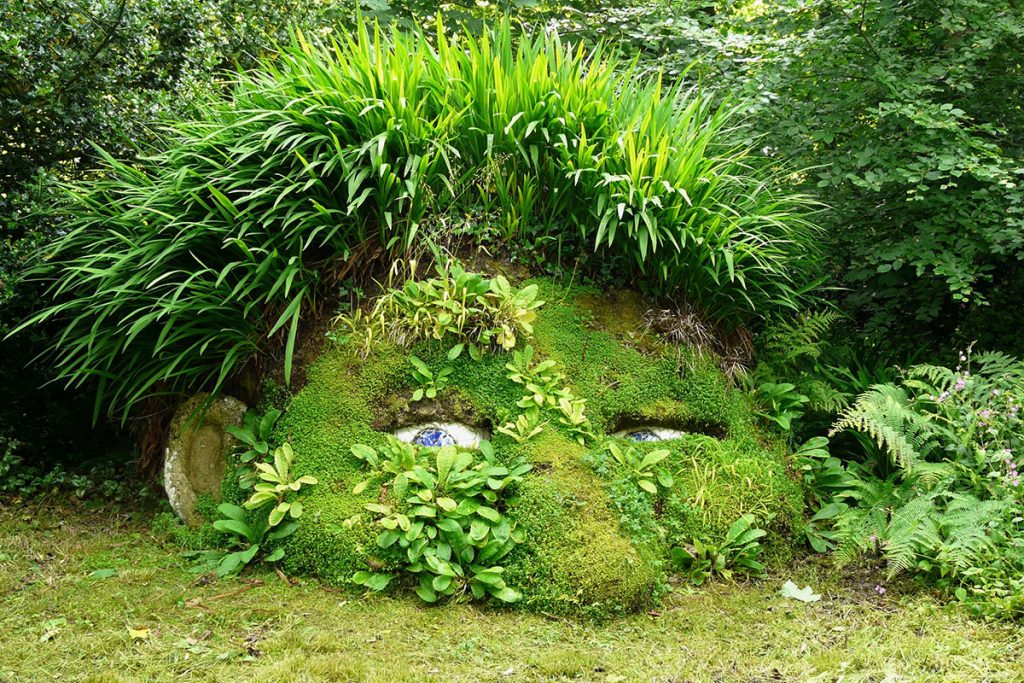
South Cornwall is packed with historic and cultural sights.
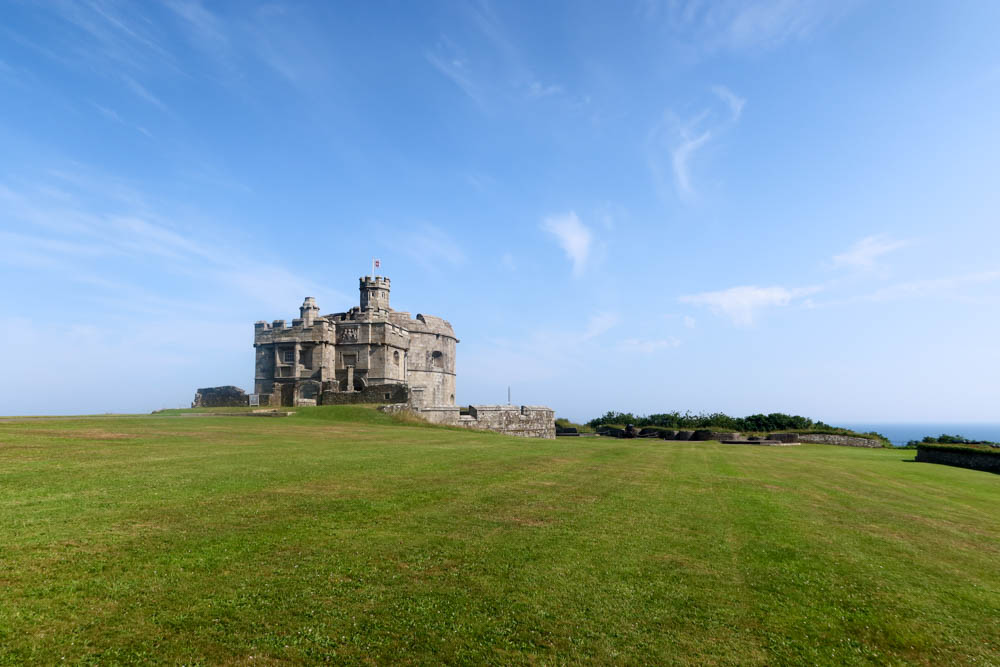
Pendennis and St Mawes Castles guard the Fal estuary and are both worth visiting.
The Lost Gardens of Heligan and Trebah Garden are two of the best gardens in the country, with sub-tropical planting and miles of trails.
The National Maritime Museum in Falmouth explores Cornwall’s seafaring past, and Truro Cathedral is a striking landmark in the county’s only city.
Don’t forget the Eden Project, which is the world’s largest captive rainforest!
If you like history, culture and days out beyond the beach, the south has more than the north.
How easy to get to
North Cornwall
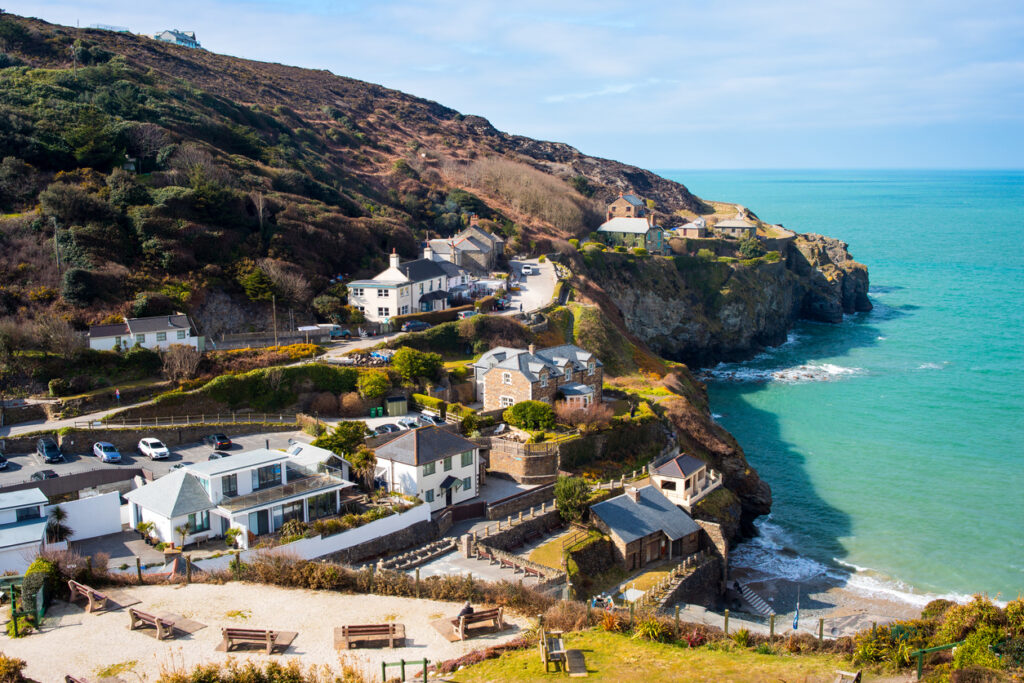
North Cornwall can take some effort to reach!
The A30 runs across the county, but once you leave it the roads get narrower and slower, especially around places like Bude or Tintagel. Rail access is limited – Bodmin Parkway is the main station, with bus connections to the coast, but services aren’t frequent and journeys can take a while.
If you’re coming for a long holiday and don’t mind driving, the north is worth it. But for quick breaks or travellers without a car, it can feel quite cut off.
South Cornwall
South Cornwall is generally easier to access.
Truro, St Austell and Falmouth all have rail links, and the branch lines to towns like Falmouth or Looe make day trips possible without driving. The A38 runs into the area from Plymouth, connecting to the wider road network.
This side of the county still has its share of rural lanes, but in general it’s more straightforward to get to, especially if you’re travelling by train. That convenience also explains why the south coast tends to feel busier than the north.
Accessibility when there
North Cornwall
Getting around North Cornwall isn’t always easy.
The coastline is beautiful but spread out, and public transport is limited to infrequent buses. Villages like Port Isaac and Tintagel are best reached by car, and even then the narrow lanes and limited parking can be frustrating in peak season.
For walkers and cyclists, the Camel Trail is a useful flat route linking Bodmin, Wadebridge and Padstow, but beyond that, most journeys are car-dependent. If you don’t drive, you’ll find exploring North Cornwall a challenge.
South Cornwall
South Cornwall is a little more connected.
Buses and trains link the main towns like Truro, Falmouth and St Austell. The branch line to Falmouth makes it possible to visit the town by train, and the one to Looe is another popular option.
Roads are still narrow in rural parts, and parking can be difficult in places like St Mawes or Mevagissey, but overall it’s easier to get around compared to the north.
Best option for…
- Surfing → North Cornwall (Newquay, Polzeath and Bude are surf central).
- Families → South Cornwall (calmer coves, safer swimming, and attractions like castles and gardens).
- Couples → South Cornwall (romantic villages like Fowey and St Mawes, boutique hotels with sea views).
- Solo travellers → North Cornwall (wilder scenery, quieter paths and space to yourself).
- Travellers without a car → South Cornwall (branch line trains, ferries and more reliable buses).
- Budget travellers → North Cornwall (surf hostels, campsites, cheaper B&Bs).
- Luxury travellers → South Cornwall (stylish stays in Fowey, St Mawes and boutique countryside retreats).
- Walkers and hikers → North Cornwall (cliff-top South West Coast Path routes with challenging terrain and epic views).
- History and culture lovers → South Cornwall (Heligan, Trebah, Pendennis Castle, Truro Cathedral).
- Nature and wild scenery → North Cornwall (Atlantic cliffs, Bodmin Moor, Camel Estuary).
- Convenience/short breaks → South Cornwall (easier rail access, denser attractions, shorter journeys once you’re there).
It’s well worth visiting both north and south Cornwall, but if you can only see one on your next trip, I hope that this post has helped you decide!