Northern Devon or Southern Devon: which is better to visit?
Devon is the only county in England with two coastlines, thakns to its position on the southwestern peninsula of the UK.
The southern coastline faces the English Channel, whereas the northern coastline backs onto the Atlantic Ocean.
These two coastlines have entirely different character and feel – and if you’ve never visited Devon before, it’s worth seriously thinking about which side of the county you want to see first (although they’re both worth it!).
I live in Devon, and here’s my full breakdown.
(Note: North Devon, South Devon and East Devon are different areas of Devon. However, for the purposes of this post, I’m talking about the north coast and south coast, and coastal East Devon is part of the south coast).
Beaches
North Devon’s beaches are often ranked among the best in Britain.
Woolacombe regularly wins awards for its three miles of golden sand, and Saunton Sands stretches so far you can walk for an hour without reaching the end!

These beaches face the Atlantic, which means consistent waves for surfing and bodyboarding.
Croyde, in particular, attracts surfers from across the country. The wild setting makes them feel unspoilt, but there are compromises. The surf can be strong, which isn’t ideal for families with young children or nervous swimmers, and the tide covers much of the sand quickly.
On summer weekends, the most famous spots can also get busy, and parking is limited.
South Devon’s beaches are more varied, from wide sandy stretches to sheltered coves.
Blackpool Sands near Dartmouth has clear water for swimming, Bantham is popular with both surfers and families, and the estuary beaches around Salcombe have calmer conditions.

East Devon’s Jurassic Coast is rockier, usually with pebbled beaches.
The advantage in the south is accessibility: many beaches are close to towns with facilities on the doorstep.
However, the trade-off is that some, especially in Torbay, feel very developed and can lose the wild beauty that defines the north!
Hikes
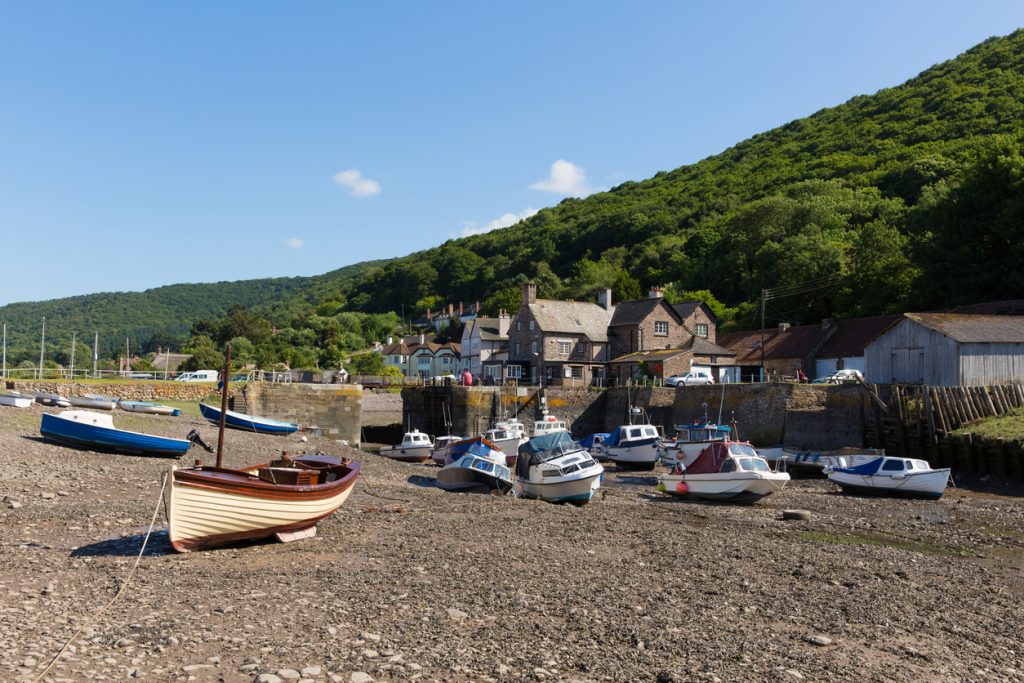
North Devon is the choice for hikers who want something more dramatic and challenging!
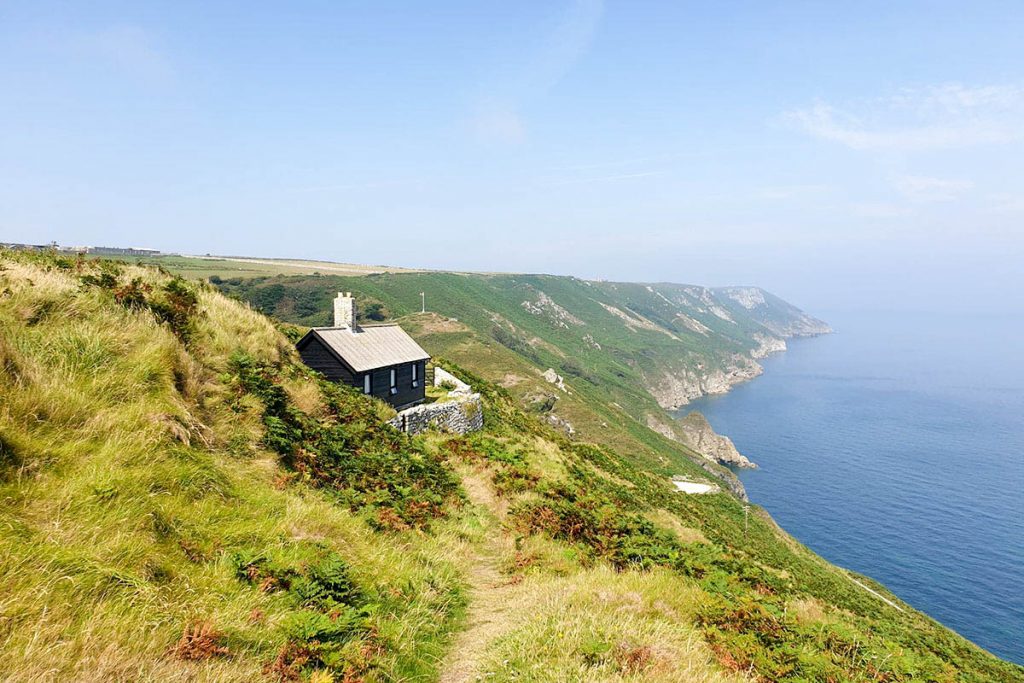
The Exmoor stretch of the South West Coast Path is famous for its sheer cliffs, which are some of the highest in England.
Walks like the Valley of Rocks, Heddon’s Mouth and the Hartland Peninsula offer sweeping views, wildlife like Exmoor ponies, and a real sense of remoteness.
These hikes are ideal if you’re looking for peace and don’t mind steep ascents!
The drawback is that the terrain can be tough, with limited amenities along the way. For less experienced walkers – or those travelling with children – it can feel daunting.
South Devon has a broader variety of walks.
Dartmoor offers everything from short riverside rambles to all-day tors treks.
See my guide to Dartmoor here.
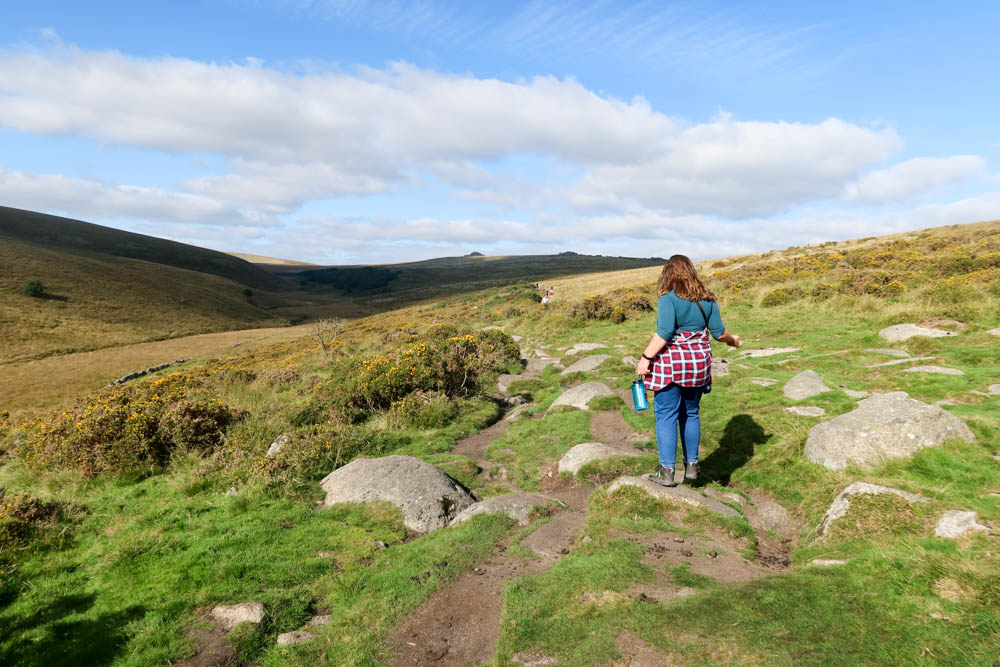
The South West Coast Path here includes gentler estuary-side trails around Kingsbridge and Totnes, but also more demanding clifftop hikes.
East Devon has the Jurassic Coast, with striking geology at Ladram Bay and Branscombe. The south is therefore better suited to mixed groups: some can enjoy challenging hikes while others stick to shorter strolls!
The downside in South Devon (not as much in East Devon) is popularity. It feels less isolated than Exmoor, which is either a strength or a weakness depending on what you’re after.
Villages, towns, and cities
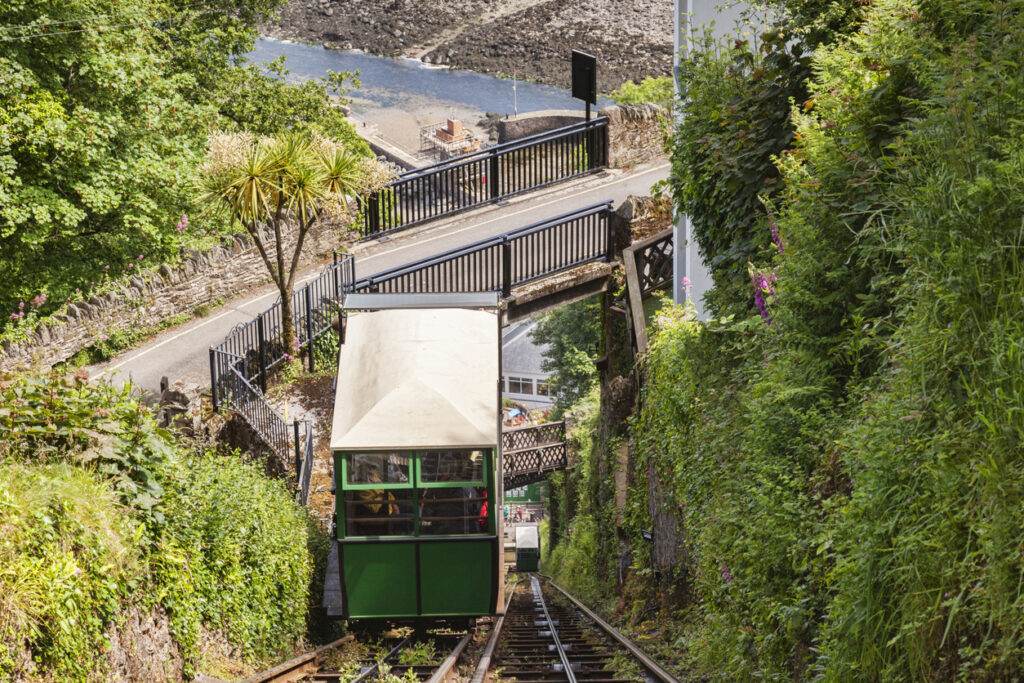
North Devon’s settlements are smaller and quieter, which is part of the appeal.
Lynton and Lynmouth, which are joined by their Victorian cliff railway, have an old-world charm.
Clovelly, with cobbled, traffic-free streets, is one of the most photographed villages in the region.
Ilfracombe is my personal favourite, although aside from the harbour it’s not as photogenic as other spots!
Barnstaple is the commercial hub, with shops and transport links, but it’s not especially atmospheric for a holiday stay.
But North Devon is generally traditional and less commercialised, which many people love, but those seeking more variety may find it limited.
South Devon has a much bigger choice.
Totnes is known for its independent shops, colourful high street, and alternative community.
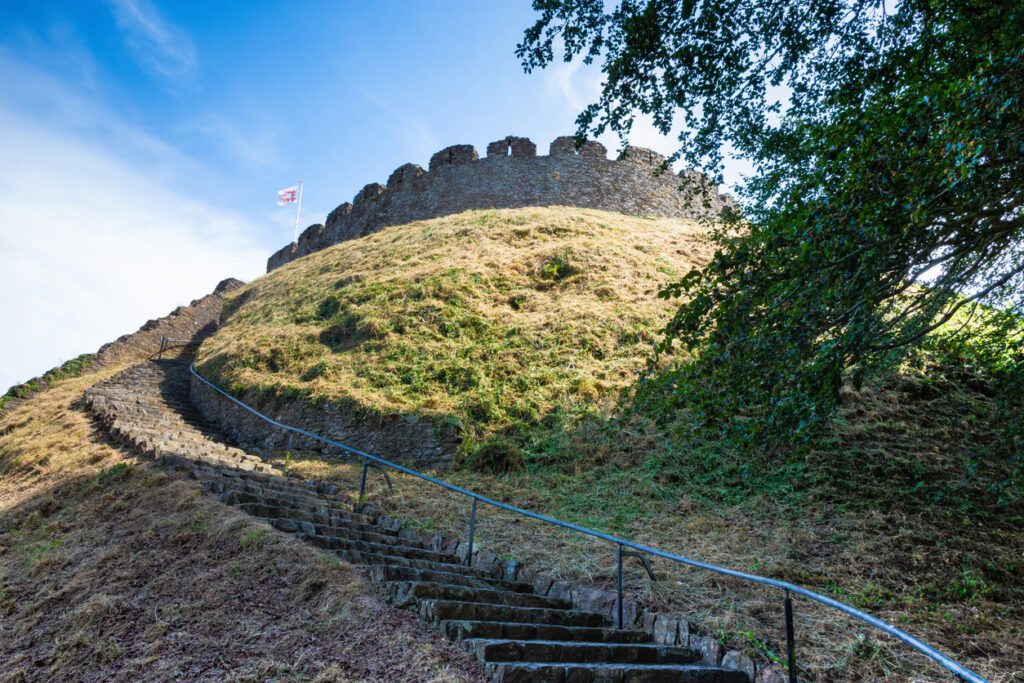
Salcombe is upmarket, with sailing and boutique shopping, though prices reflect its popularity.
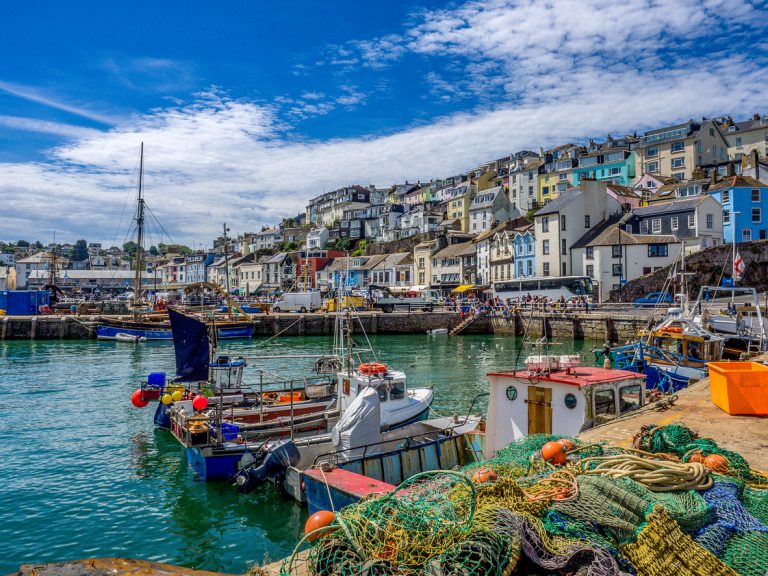
Dartmouth is incredibly scenic, and Torquay and Paignton are more “bucket and spade” holiday fun – they have lots of beautiful beaches around them but the towns themselves aren’t the most scenic!
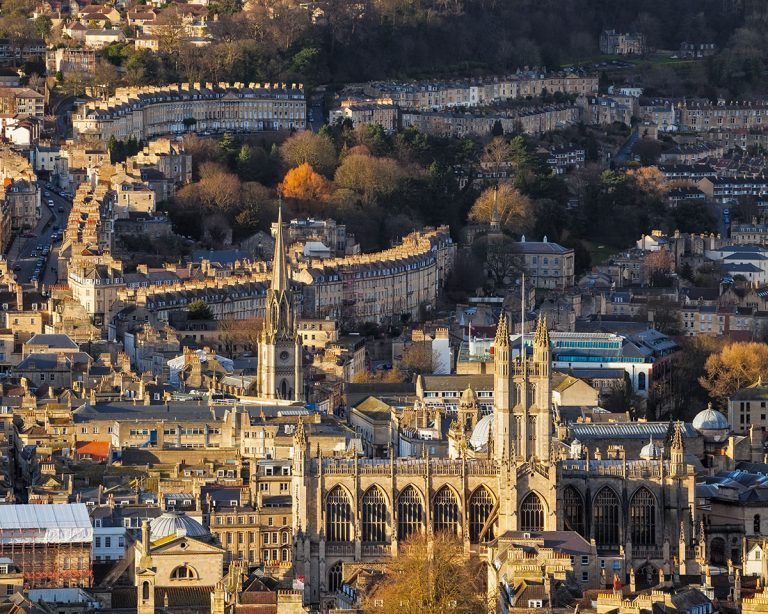
Exeter is an underrated city with a striking cathedral, Roman walls and a lively dining scene. The variety means there’s something for every traveller, but it also means some places feel very tourist-driven. In spots like Salcombe, you’ll notice exclusivity and high costs more than in the north.
Attractions
North Devon’s attractions lean towards nature and outdoor experiences rather than built heritage.
Lundy Island is a highlight – you can reach it by boat from Ilfracombe or Bideford, where you can see puffins, seals and enjoy a car-free day of hiking!
Arlington Court, a National Trust estate, showcases Victorian life and has an extensive carriage collection.
Families enjoy Exmoor Zoo, and the Lynton and Lynmouth Cliff Railway is a Victorian marvel still powered entirely by water!
These attractions are unique but fewer in number. If you’re looking for packed itineraries of castles and museums, North Devon may feel limited compared to the south!
South Devon, on the other hand, has more variety.
Agatha Christie fans can visit her holiday home at Greenway, while Dartmouth Castle guards the mouth of the River Dart.
Steam railways like the Dartmouth Steam Railway and the South Devon Railway are perfect for rail fans.
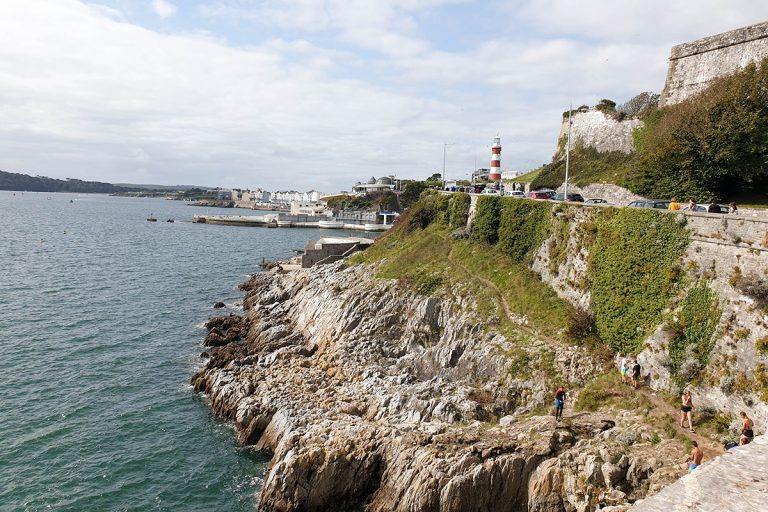
Plymouth’s National Marine Aquarium is the largest in the UK.
You won’t run out of things to see and do here!
How easy to get to

North Devon is noticeably harder to reach.
There are no motorways, and the A361 “North Devon Link Road” can feel slow and congested in summer.
Rail connections are limited, too.
The Barnstaple branch line links to Exeter, but if you’re travelling from further afield, Tiverton Parkway is often the nearest realistic option, followed by a bus or car journey!
North Devon feels more remote, which adds to its charm, but it does make short breaks trickier.
South Devon is much better connected.
Exeter St David’s has fast direct trains from London in just over two hours, and Totnes, Newton Abbot and Plymouth are all on the mainline.
The A38 dual carriageway runs through the region, making road journeys smoother. For anyone with limited time, or those relying on trains, South Devon is far more practical!
The ease of access also explains its popularity, however.
Accessibility when there

Getting around North Devon can be a challenge.
Roads are narrow and winding, buses exist but are infrequent, and distances between sights are long.
Realistically, a car is almost essential, and even then, travel can feel slow!
South Devon is easier to navigate.
Buses cover main routes, especially around the cities and big towns – although rural areas are still patchy.
Roads are generally better than in the north, but traffic can be heavy in summer, and parking in small towns like Salcombe is notoriously difficult.
Places to stay
In North Devon, you’ll find B&Bs by the coast, inns tucked into Exmoor villages, and plenty of campsites.
Woolacombe and Ilfracombe have classic seaside guesthouses, while Barnstaple has chain hotels like a Premier Inn.
It’s a fantastic choice for walkers, surfers, or families. Luxury hotels are rarer, however.
South Devon has more choice across all budgets. In Salcombe and Dartmouth, boutique hotels and stylish self-catering apartments cater to higher-end travellers.
Torbay has everything from budget seaside guesthouses to large family resorts.
Totnes is full of quirky, characterful stays, while Exeter offers city hotels at all price points.
Campsites, Airbnbs, and rural lodges mean even more options!
Best option for…
- Surfing → North Devon (Croyde, Woolacombe, Saunton are nationally recognised surf beaches).
- Families → South Devon (sheltered coves, calm swimming, attractions like steam trains and aquariums).
- Couples → South Devon (romantic estuaries, boutique hotels in Salcombe and Dartmouth).
- Solo travellers → North Devon (remote hiking, quiet coastal villages, space for solitude).
- Travellers with no car → South Devon (mainline train stations, ferries and better bus connections).
- Budget travellers → North Devon (affordable B&Bs, campsites, farm stays).
- Luxury travellers → South Devon (boutique stays, upmarket resorts, fine dining).
- Walkers and hikers → North Devon (Exmoor cliffs and remote SWCP sections).
- History and culture lovers → South Devon (Exeter Cathedral, Dartmouth Castle, Greenway, Totnes).
- Nature → North Devon (rugged coastline, Exmoor, Lundy Island).
- Convenience/short breaks → South Devon (easier to reach, more transport options, denser attractions).