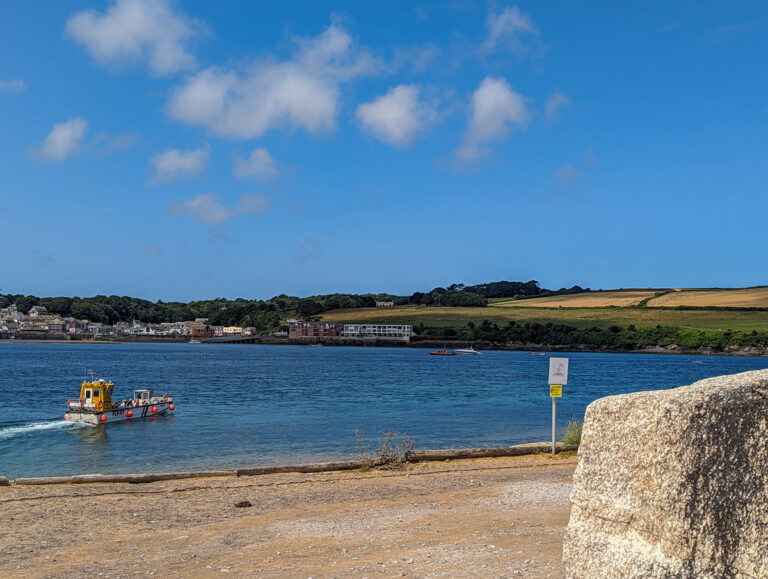
Cornwall’s wildest region: how to have a holiday on the Lizard Peninsula
Stretching out from Cornwall, the Lizard Peninsula is the southernmost part of the British mainland.
Beyond Kynance Cove – the most popular beach on the peninsula – there are hiking trails, fishing villages, much quieter beaches and an organic dairy farm with an ice cream parlour.
Many visitors head straight to Kynance Cove and leave again on the same day. While Kynance is one of Cornwall’s finest beaches, there’s far more see here!
So here are some of the best reasons to spend a few days on the Lizard – including what to do and where to stay; Aspects Holidays have some fantastic holiday cottages across the peninsula!
Why stay on the Lizard Peninsula?
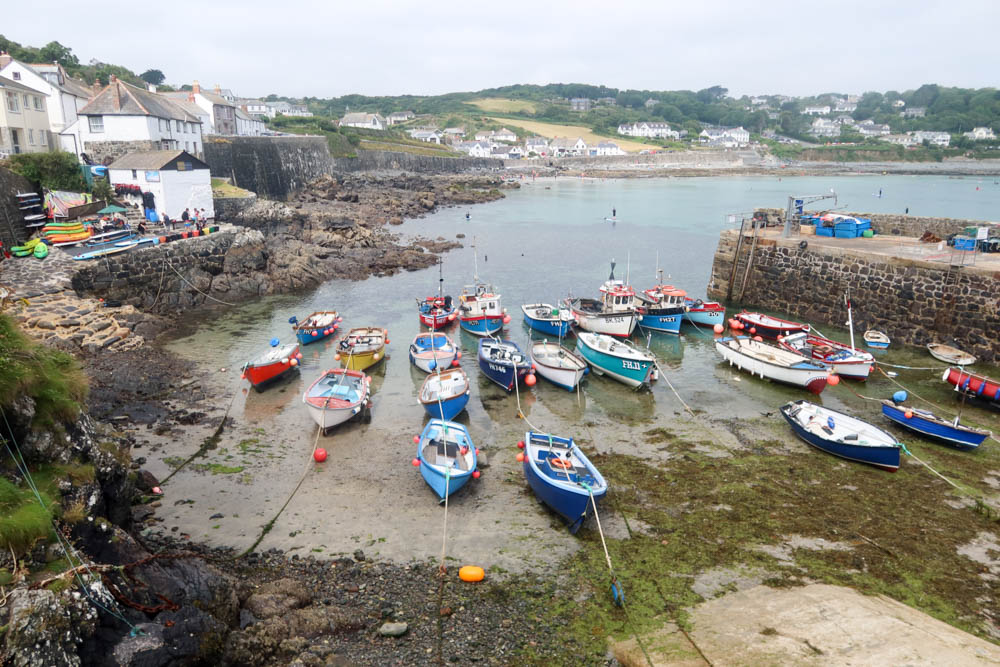
Although Kynance Cove can get busy, the rest of the Lizard Peninsula is a lot more chilled out!
Compared to St Ives or Newquay, the peninsula is quieter and more suitable for nature-focused holidays – think hiking and coasteering – than Cornwall’s larger towns.
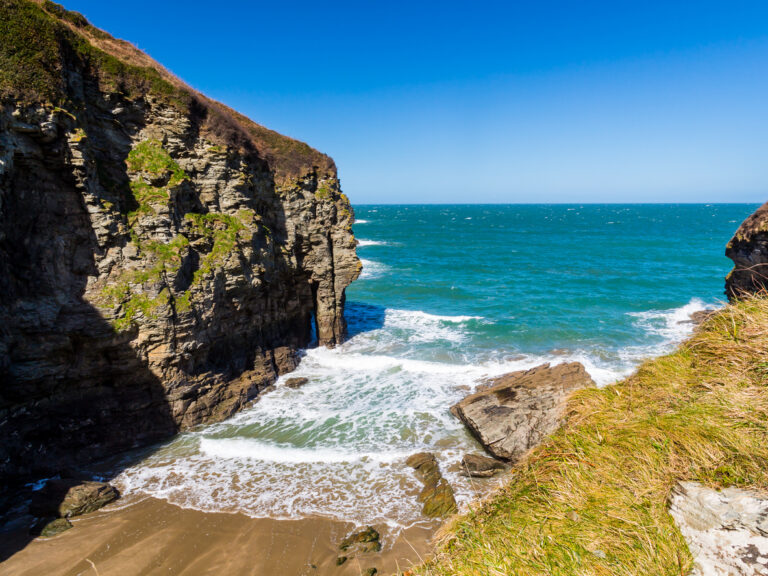
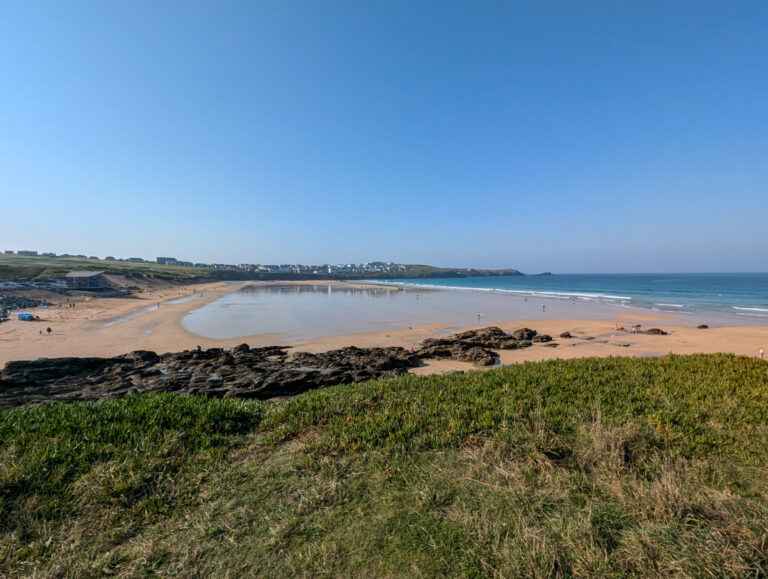
There’s a varied coastline, too – plenty of dramatic cliffs, but also some sheltered coves where swimming is possible (it’s not in all areas of the Lizard due to tides and rough seas!).
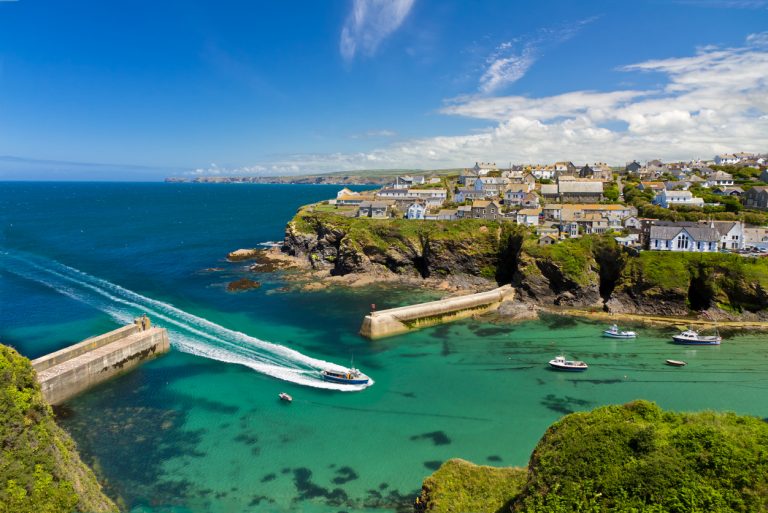
Village-hopping on the Lizard is also one of my favourite pastimes. Top of my list is Cadgwith, which has been called “Cornwall’s last fishing village”.
Where to stay on the Lizard
Aspects Holidays have some incredible cottages on the Lizard Peninsula, that are perfect for groups of all sizes! Here are some to consider:
Gunvor Cottage, Coverack
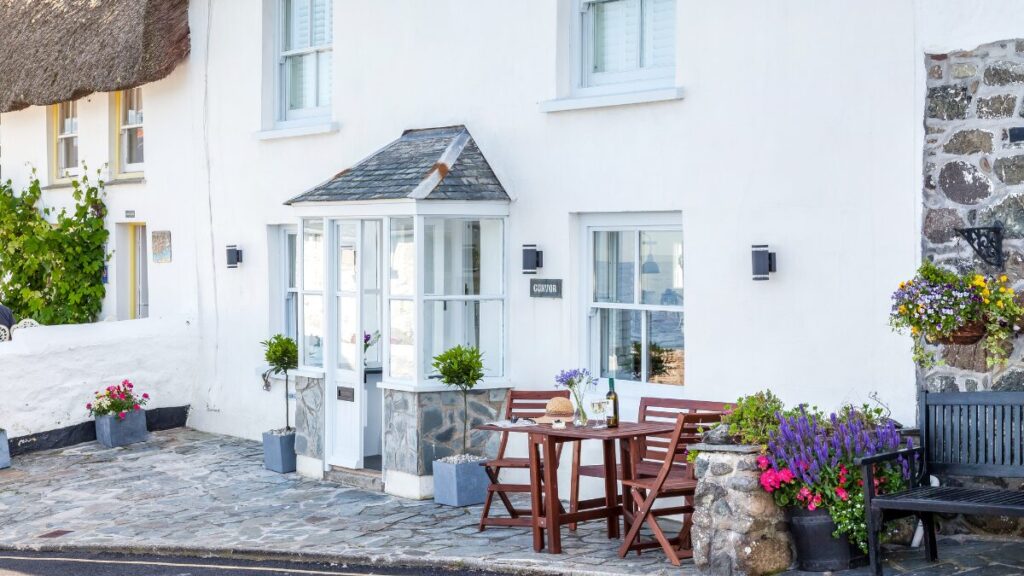
This thatched cottage sleeps up to four people and looks out over Coverack’s coastline. Inside, you’ll find a modern kitchen, a wood burner with exposed stone masonry and two sea-view bedrooms (a double and a twin). Here, you’re just a five-minute walk to the village centre and in prime position to enjoy the other Lizard attractions!
Tamarisk, Mullion
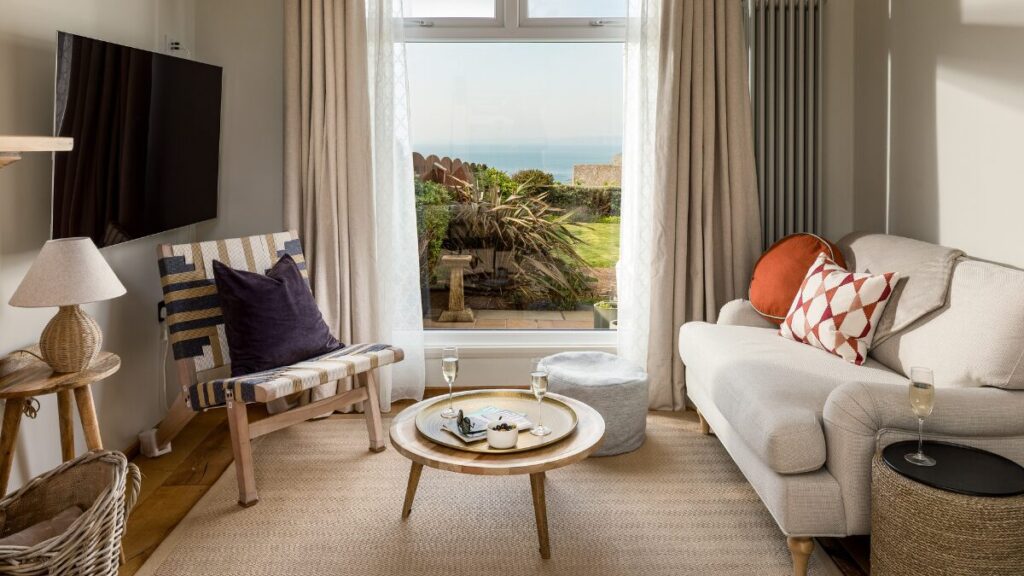
With three bedrooms sleeping up to six people, Tamarisk, which sits on the coast path, is in striking distance of Polurrian Cove and close to Poldhu Cove. Each bedroom has sea views and there’s a garden and conservatory with bi-fold doors. Tamarisk also has a bedroom and shower room on the ground floor, so is one of the rare step-free cottages in Cornwall!
Drop Anchor Cottage, Mullion
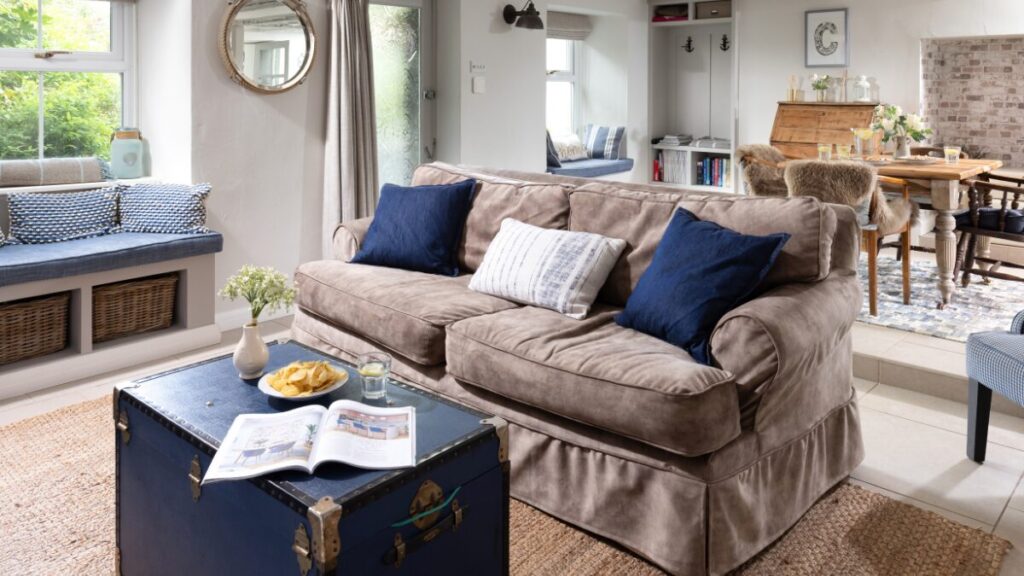
The quaint Drop Anchor Cottage looks like it belongs on a postcard. Located right in Mullion village, this two-bedroom cottage can sleep up to four people – and it’s a dog-friendly property. With cosy, vintage features throughout the comfy lounge, modern kitchen and enclosed garden, it feels like a home from home as soon as you enter the door.
Angrouse Cottage, Mullion
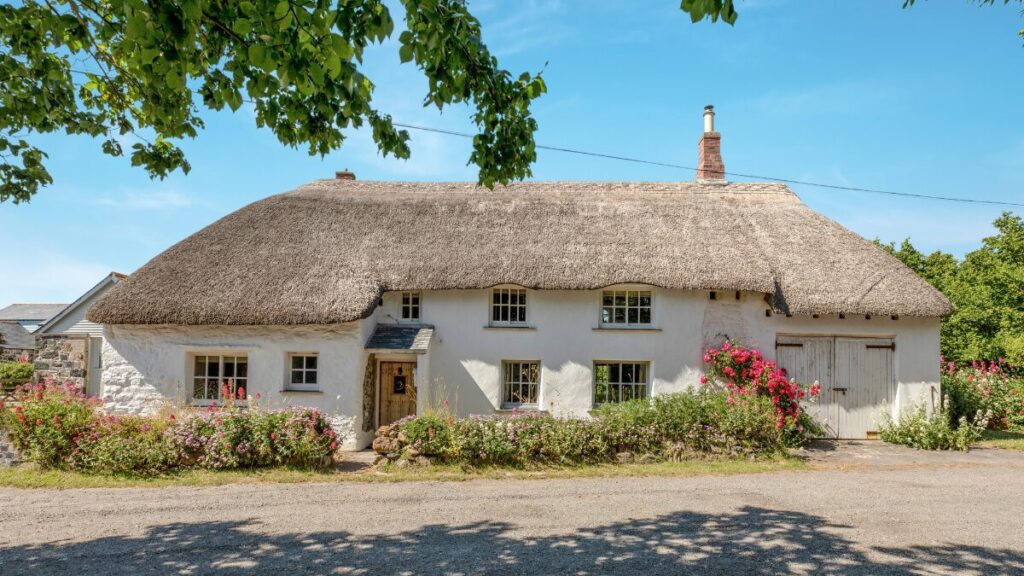
A traditional thatched cob cottage, Angrouse Cottage can sleep up to six people and has three bathrooms. Rooms are decorated tastefully, with a nautical theme in places, and the kitchen has an electric-powered Aga. There’s a woodburner for the cooler months and a garden for the summer, and it’s right by the South West Coast Path, just a mile from Poldhu Cove!
The best places to visit on the Lizard
Here are some of the top things to do on the Lizard Peninsula!
Lizard Point
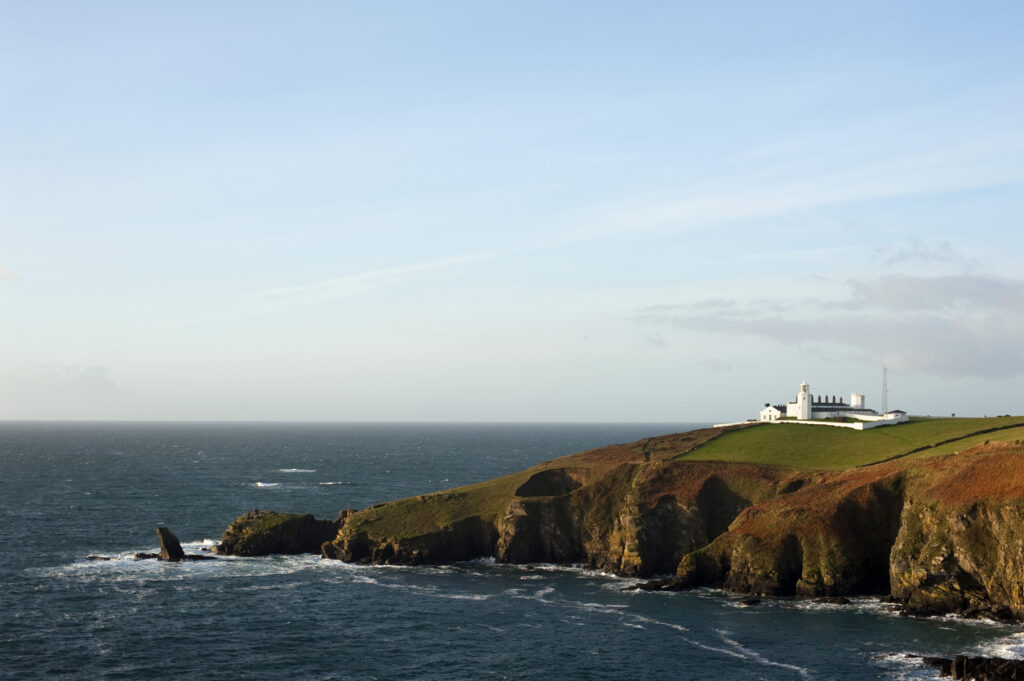
Lizard Point is nowhere near as much visited as Land’s End, but arguably is more significant, as it’s mainland UK’s most southerly point!
Here you’ll find the southernmost cafe, a southernmost marker and, in Lizard Village, two pubs that claim to be the southernmost in the UK!
There’s also a lighthouse and, of course, the cliffs here are spectacular. Keep an eye out for seals in the water and Cornish choughs nesting on the cliffs.
Lizard Point is on the South West Coast Path, and you can do a lovely walk around the southernmost point of the peninsula, including Housel Bay, leading up to Church Cove and then crossing inland toward Lizard Village.
Kynance Cove
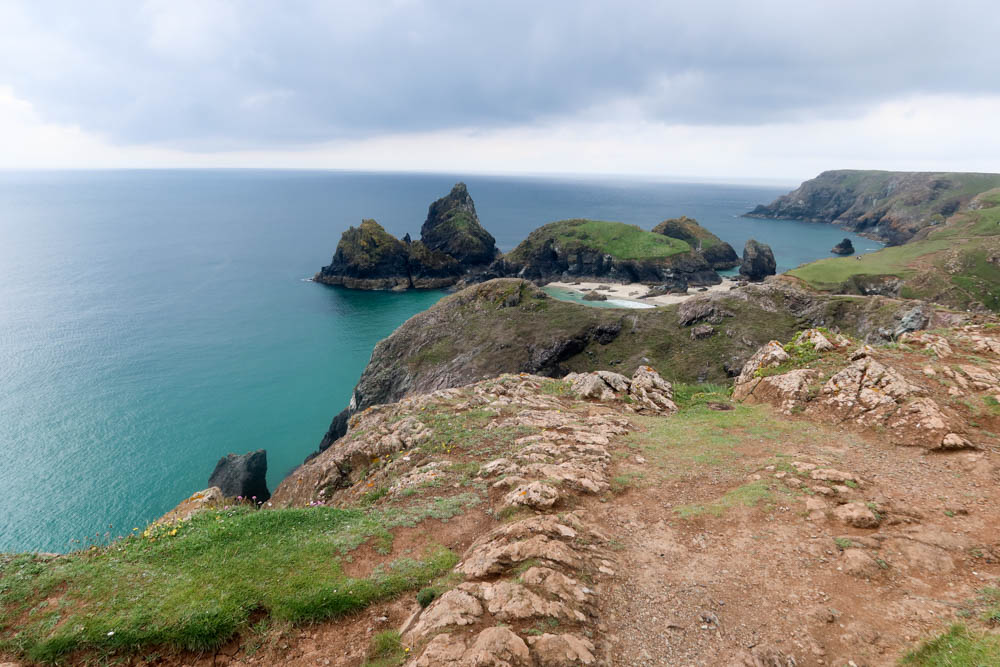
One of Cornwall’s best-known beaches, Kynance Cove is famous for its serpentine rocks and turquoise water at low tide. It’s a popular filming location; it’s been the setting of HBO’s House of the Dragon (representing the Stepstones and Velaryon camps) and the BBC’s Poldark series.
It’s a very today beach, with parts inaccessible at high tide. When the water’s lower, Kynance Cove can be one of the busiest in Cornwall – the car park often fills up too – so it’s crucial to get there early. I’d even recommend favouring some of the quieter Lizard beaches during other months of the year.
There is a National Trust café above the beach, which serves sandwiches and jacket potatoes, as well as coffee, soft drinks and local beers and ciders.
Mullion
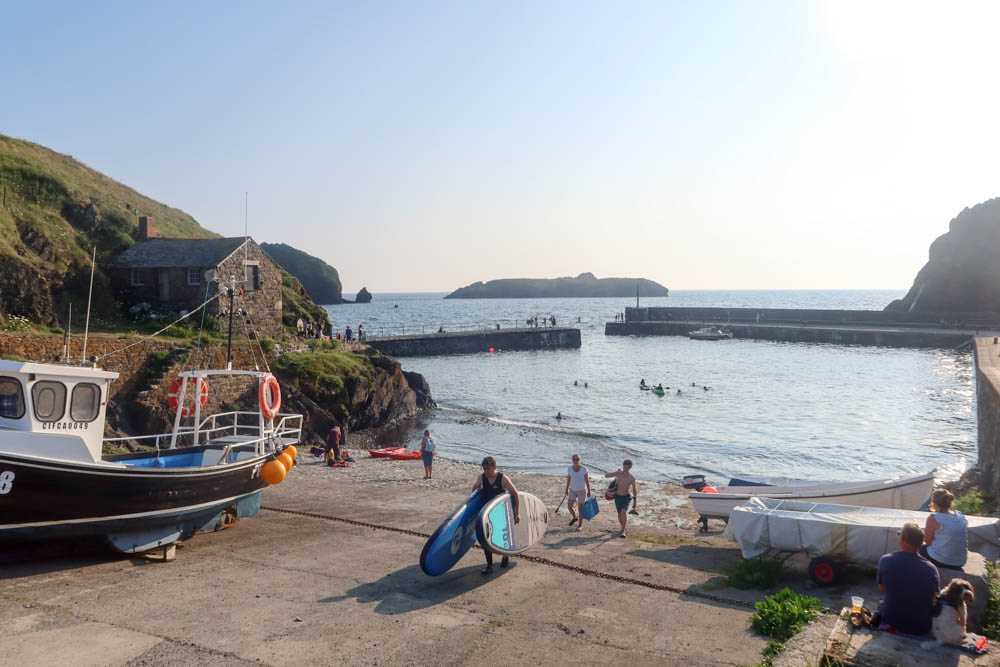
Mullion is the largest village on the Lizard Peninsula, dating back to the Medieval era and a historic church.
Close by is Mullion Harbour, which is a sheltered area that’s a popular spot for watersports.
This is a fantastic base for a Lizard holiday. A few of Aspects’ holiday cottages are close by; Tamarisk, Drop Anchor Cottage and Angrouse Cottage.
Coverack
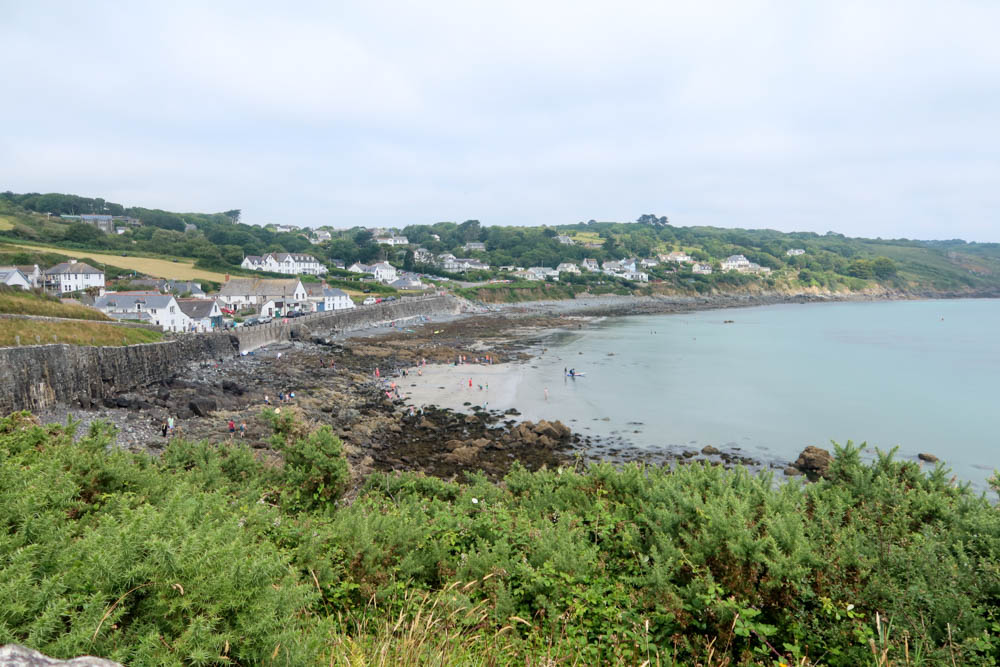
Coverack is another lovely fishing village. The sheltered bay means that it’s another popular spot for paddleboarding and swimming, and there are some local cafes in town – my partner loved the Cornish Yarg toasties at Loft Coverack.
It’s also a great holiday base; Aspects Holidays’ Gunvor Cottage is nearby.
Cadgwith
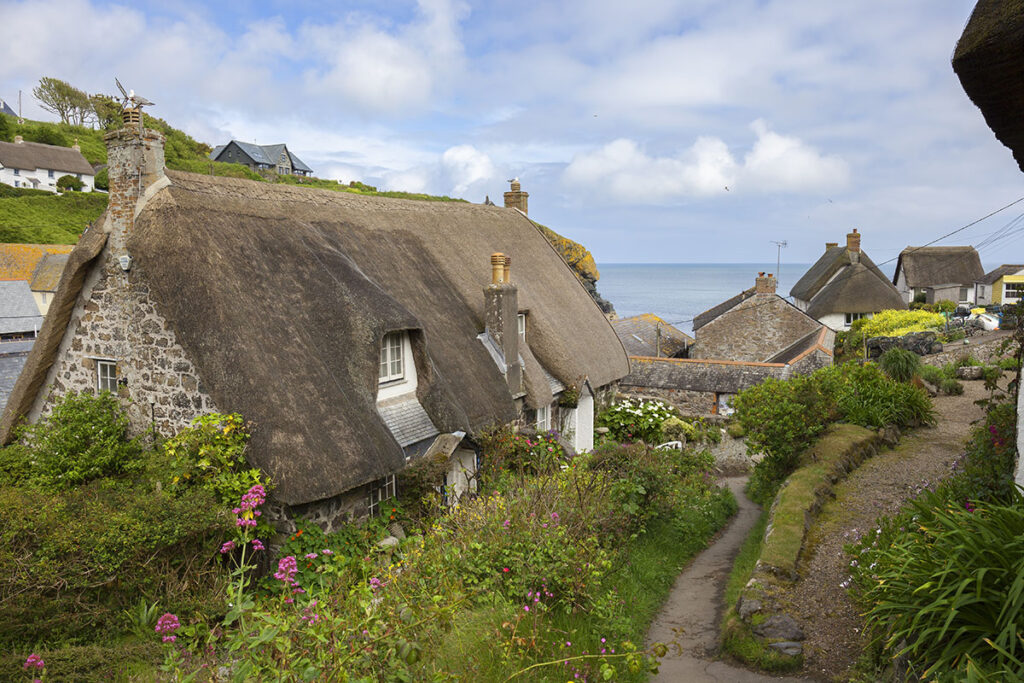
The working fishing village of Cadgwith is my favourite spot on the Lizard Peninsula. With rows of thatched cottages leading down to the harbour, the village is famous for its fishing boats pulled onto the beach.
It’s only a small village, but the Cadgwith Cove Inn serves excellent lunch, and you can hike to the Devil’s Frying Pan on the South West Coast Path.
Coastal walks around the Lizard
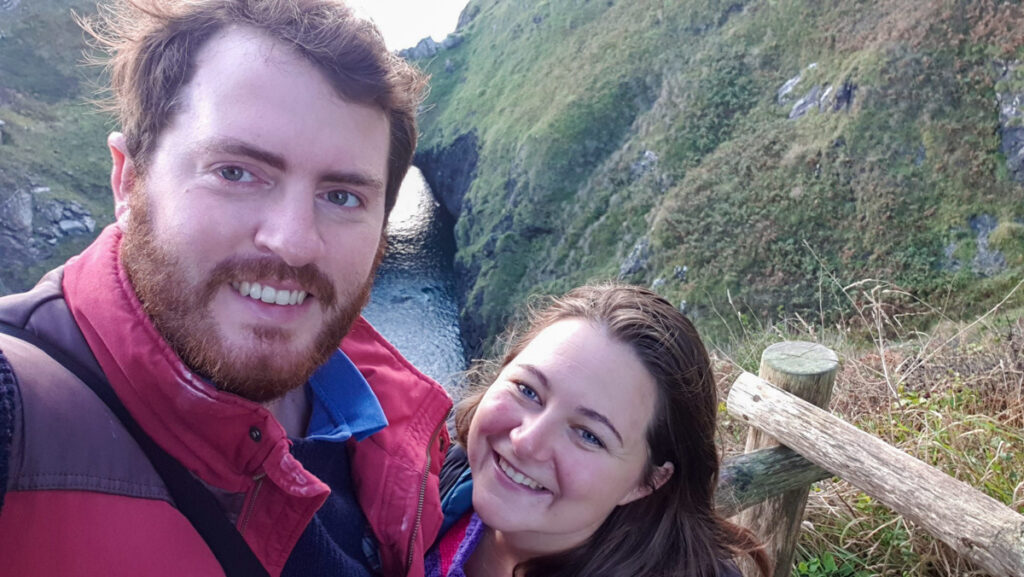
Of course, one of the best reasons to visit the Lizard Peninsula is for the hiking! Here are my top recommendations for coastal walks on the Lizard:
- Lizard Point to Kynance Cove: this circular walk is 4.4 miles/ 7.1 km and it is moderate in difficulty. It’s perfect if you’re staying en-route and want to experience Kynance Cove without dealing with parking!
- Mullion Cove to Poldhu Cove: this is a point-to-point route that’s 2 miles/ 3.22 km in total, I’d recommend hiking there and back (making it 4 miles/ 6.44 km). It’s moderate in difficulty.
- Coverack to Kennack Sands: 5.1 miles/ 8.2 km on the coast path, 8 miles/ 12.8 km for a round trip (there isn’t a bus connecting the two so return transport can be tricky if you’re just doing a point to point!). It’s also moderate in difficulty.
- Lizard Point circular: This is a 2.5 miles/ 4km easy walk from Lizard Village that goes past Housel Bay, Marconi’s Signal Station and of course, Lizard Point. See instructions here.
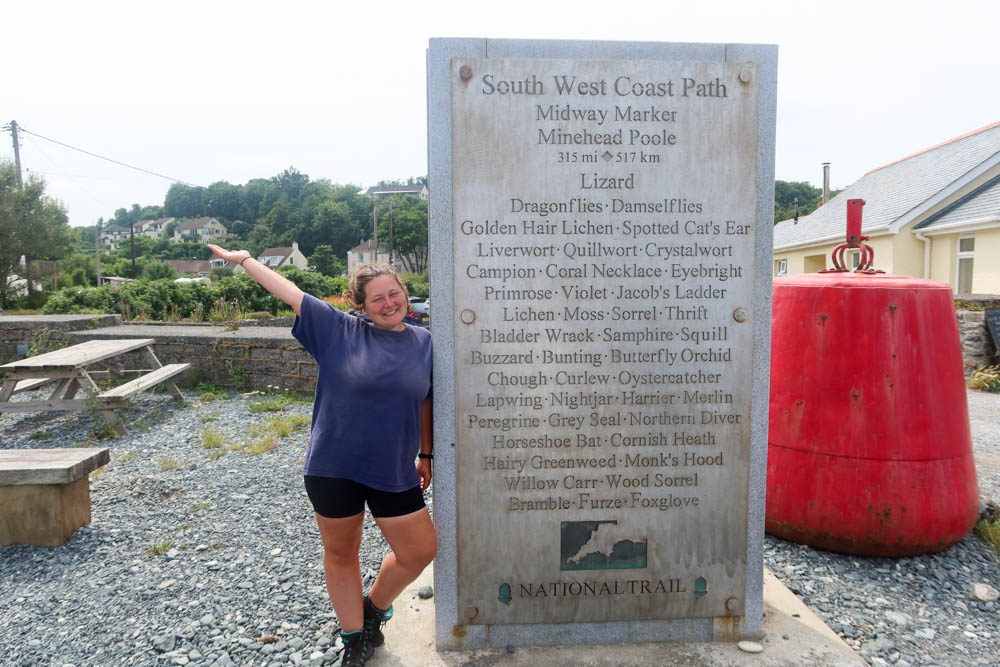
Things to do on the Lizard beyond the beaches
On the Lizard, it’s mainly about the beaches and coastline, but not completely!
Here are some other things to do here:
Marconi Centre (wireless communication history)
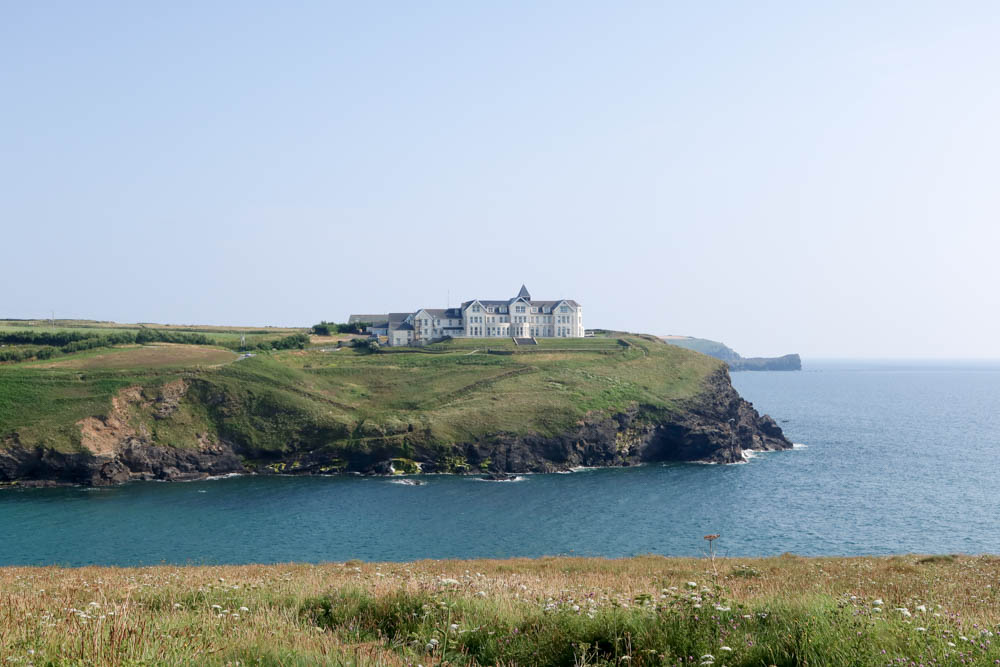
Did you know this often-overlooked corner of Cornwall played a key role in the history of wireless communication?
The Marconi Centre is where Guglielmo Marconi sent the first-ever transatlantic radio signal on 12th December 1901. Previously, it was believed that radio waves wouldn’t follow the earth’s curvature!
The centre now operates as a museum; see opening hours and more details here.
Roskilly’s Farm
No trip to the Lizard is complete without a stop at Roskilly’s.
This is an organic working dairy farm that’s free to enter. You can see the Jersey cows being milked in the morning or take a walk through their woodland grounds, with opportunities to see pigs and goats. Of course, all trips should end with some ice-cream from the on-site cafe!
Cornish Seal Sanctuary at Gweek
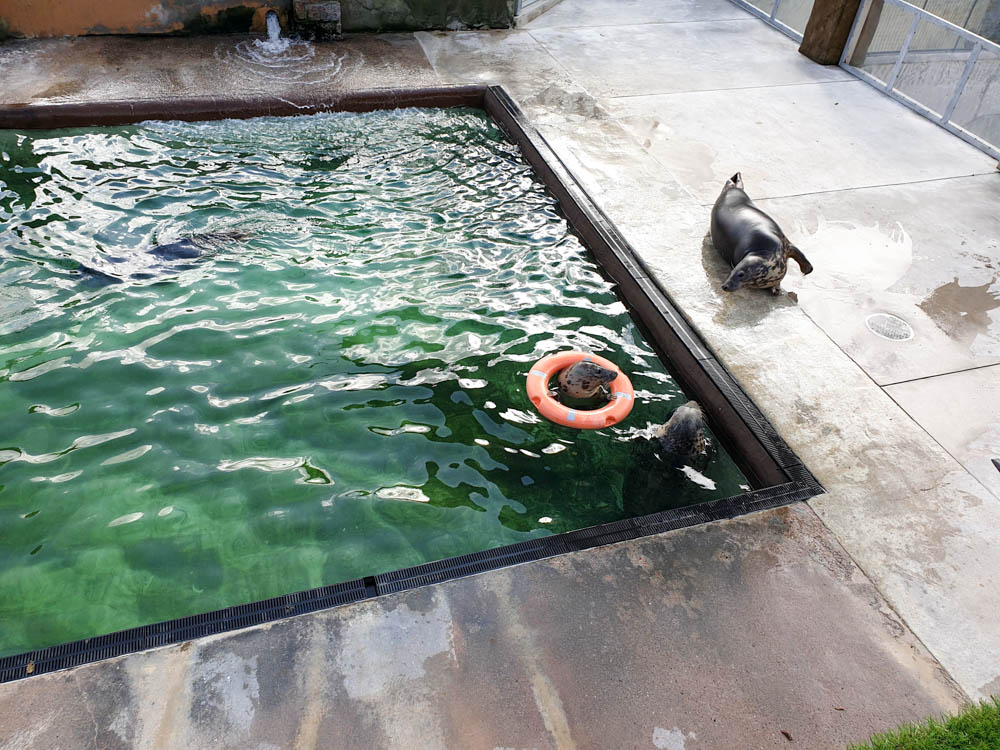
One of Cornwall’s most adorable attractions, the Cornish Seal Sanctuary sits right at the top of the Lizard. It’s a charity that’s home to injured, unwell and orphaned seals.
Some are there temporarily and will be released, others who would not survive in the wild are given a permanent home. You can see some seals and other sea mammals and birds here and learn about their connection to Cornwall and the importance of conservation.
Learn about An Goff at St Keverne
This one is a little niche, but St Keverne, a village on the Lizard Peninsula, has history related to the Cornwall rebellions. The Cornwall rebellions were a series of uprisings in the 15th and 16th centuries, spurred on by the region’s Celtic identity and the fact that they didn’t want to answer to London.
Michael An Gof, the leader of the Cornish Rebellion of 1497, was from St Keverne on the Lizard Peninsula. There’s a statue dedicated to him in the village centre, and a plaque in the church.
The Lizard Peninsula is one of the most dramatic parts of Cornwall, with loads to do for any outdoorsy visitors. With Aspects Holidays, you can have your own Lizard cottage base to return to when you’re done with hiking and beach hopping!