Cornwall’s maritime disaster that was overshadowed by the World Cup
This year is 60th anniversary of one of Cornwall’s greatest maritime tragedies – the loss of the Darlwyne, a Cornish pleasure steamer, on 31 July 1966.
The disaster came just one day after England’s World Cup victory, when much of the nation was still celebrating; and this meant that the tragic news from Cornwall was forgotten about elsewhere in the country.
The Darlwyne never returned from its pleasure trip, and 31 people – including many children – lost their lives. It was one of Britain’s worst small passenger vessel disasters in peacetime.
My grandad was a Police Constable in Falmouth, so was very much involved in the investigation and recovery of the boat on, and in the days following, the horrific 1966 disaster.
What happened?
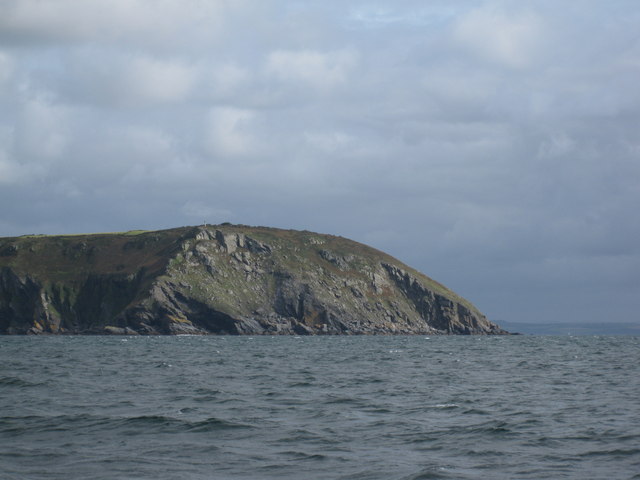
The tragedy unfolded after an impromptu pleasure trip was organised from Mylor to Fowey. Despite warnings that the weather was deteriorating during the afternoon, the decision was taken to make the return voyage. As conditions worsened off the South Cornish coast, the Darlwyne was overwhelmed and sank near Dodman Point (where there’s nowadays a memorial), with the loss of everyone on board.
My grandad was involved in the investigation, being in Devon and Cornwall police. He also attended the recovery of many of those who perished, and I’ve been told that these scenes stayed with him for the rest of his life, especially because my dad and uncle were around the same age of may of the child victims.
The impact of the Darlwyne
The Board of Trade inquiry that followed exposed serious shortcomings in the regulation of small passenger vessels. It found that the Darlwyne had been overloaded, that modifications had adversely affected her stability and that the regulatory framework for pleasure craft was inadequate.
The inquiry led to lasting improvements in maritime safety, including:
- stricter surveys and certification of passenger vessels
- tighter controls over alterations and loading
- enhanced stability standards
- improved life-saving equipment requirements
- clearer operational guidance
These changes came too late for those aboard the Darlwyne but they have helped make commercial pleasure craft far safer in the decades since.
Sixty years on, it is important that we remember not only those who were lost, but also the families left behind, the emergency services, volunteers such as the RNLI crews, and the local communities who responded with courage and compassion in the face of such a devastating tragedy. For the community of Mylor – and for the families of the holidaymakers who never returned home – the events of 31 July 1966 have never truly been forgotten.
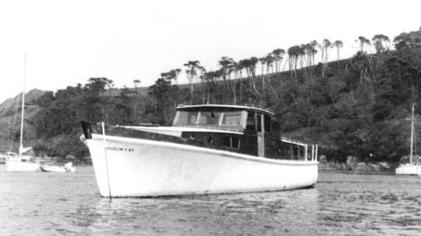
The victims are listed below.
Crew
- Brian Michael Bown (age 31) (skipper)
- Jeffery Claude Stock (age unknown) (engineer)
Passengers
- Lawrence Arthur Bent (74), Kathleen Bent (60), George Lawrence Bent (20)
- Roger Duncan Brock (26), Jean Brock (24)
- James Cowan (52), Dora Cowan (48), Susan Cowan (14)
- Mary Rose Dearden (19)
- George Edmonds (45)
- Amanda Jane Hicks (17), Joel Hicks (9)
- Arthur Raymond Mills (42), Jonathan David Mills (11), Janice Beverley Mills (9)
- Kenneth Arthur Robinson (19)
- Patricia Roome (48)
- Albert Russell (50), Margaret May Russell (50), John David Russell (21), Patricia Ann Russell (19)
- Peter Lyon Tassell (41), Eileen Sybil De Burgh Tassell (41), Susan Gail Tassell (14), Nicola Sara Tassell (12), Frances Harriet Tassell (8)
- Lorraine Sandra Thomas (20)
- Malcolm Raymond Wright (26), Margaret Wright (22)