
10 surprising things about living by the coast
Thinking of relocating to the Great British seaside?
We’re lucky in the south west – hundreds of beautiful beaches are at our fingertips.
But there are a few things you must bear in mind if you’re moving anywhere close to the coast!
Humidity, prices and access to nature are very different.
Here’s what you need to know.
Flood risks are higher than you might think
Living close to the sea often means living with an increased risk of flooding, especially during winter storms.
High spring tides combined with strong winds can push waves over harbour walls, flood quayside roads and even reach homes built just above the shoreline.
Properties near estuaries and tidal rivers can also flood from the river side if heavy rain coincides with high tide, trapping water that would normally drain out to sea! This means that house prices may be less in these areas, but insurance premiums could be very high.
When I got an estate agent to value my house, they said I was just outside the flood area!
Everything revolves around tide times
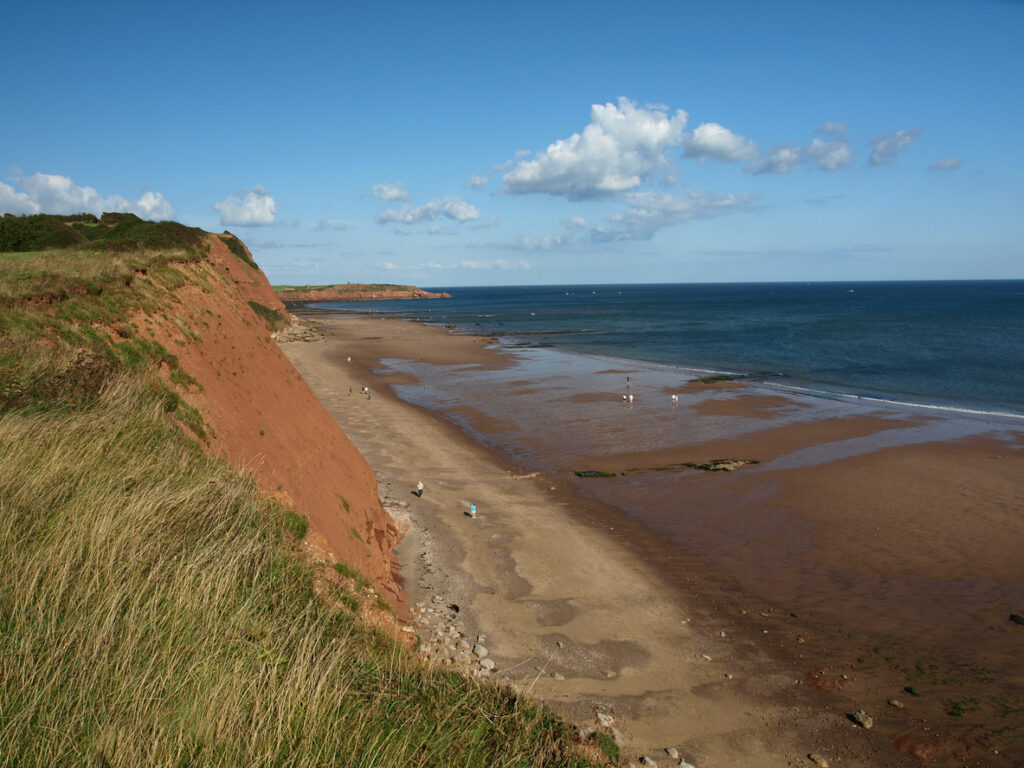
When you live on the coast, tides dictate your plans. Walking routes that look like wide open sand at low tide can completely vanish under water a few hours later!
At Bigbury-on-Sea in South Devon, the sandy causeway to Burgh Island disappears at high tide, cutting the island off until the water drops again.
The small passenger ferry between Dittisham and Greenway on the River Dart only runs when the tide is high enough to reach the jetties on both banks.
Make sure you learn about tide times when you move, and work out how they might impact your life!
Sea air affects your home
The sea’s salty air may feel refreshing, but it takes a toll on your belongings!
Salt speeds up corrosion, which means metal fittings rust faster, paintwork fades more quickly and window catches and hinges seize up.
Cars can start to develop rust spots within a couple of winters if they’re not regularly washed, and in the summer salt covers the cars!
Weather is far less predictable

Weather near the sea can change with little warning. Clear blue skies can give way to sea mist in minutes and strong gusts off the water can make a mild day feel icy.
Rain showers pass quickly, only for sunshine to return moments later!
This unpredictability becomes part of daily life, so make sure you bring waterproof jackets, spare jumper and sunglasses when you go out.
Tourist crowds come and go dramatically
The shift between seasons is striking!
In July and August, car parks overflow, queues form at every café, and beaches are packed by 9am. By November, the same streets can be almost silent, with only locals walking dogs or grabbing coffee from the few cafés still open.
Many locals avoid the busiest beaches completely during summer and return once the crowds vanish. Learning to adapt to this seasonal flow is one of the biggest adjustments for anyone moving to the coast!
Groceries can cost more
Small village shops and beachside stores often charge more than supermarkets further inland, and during holiday season supermarket delivery slots get booked out days in advance as thousands of extra people arrive!
You might find yourself heading out early in the morning to beat the queues or planning your weekly shop around changeover days, when self-catering visitors are stocking up.
Mobile signal and Wi-Fi can be patchy
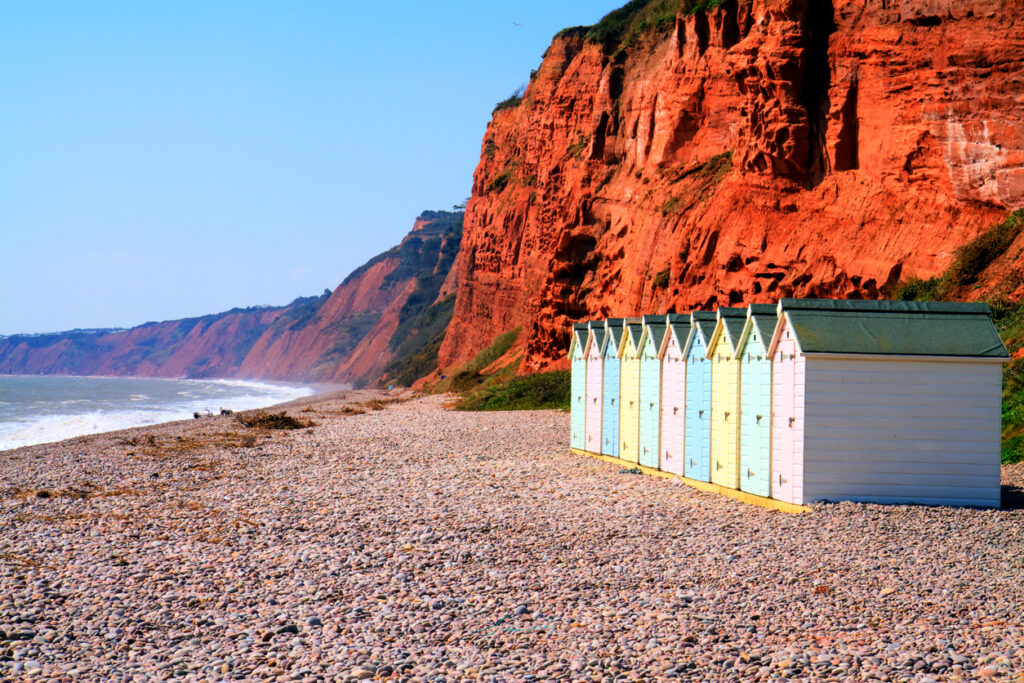
Beautiful seaside scenery often comes with blackspots.
Sheltered coves and remote coastal villages can have unreliable mobile reception, and broadband speeds often drop when local holiday lets fill up.
This can be a shock if you work from home or rely on video calls!
That said, there is excellent fibre optic internet in East Devon!
Seagulls are everywhere
Seagulls are a loud and constant presence when you’re by the coast!
They nest on chimneys and swoop for dropped chips!
Make sure you’re mindful whenever you’re eating outside – “a seagull stole my food” is not an adequate excuse for a refund!
Moisture builds up indoors quickly
Living next to the sea means dealing with constant humidity. Salt-laden air carries more moisture, which easily builds up on windows and walls.
Condensation is common, especially in older stone houses, and without good ventilation it can quickly lead to mildew.
You’ll want a dehumidifier, especially for drying laundry indoors.
Use an extractor fan and heat steadily through winter too!
Nature becomes part of daily life
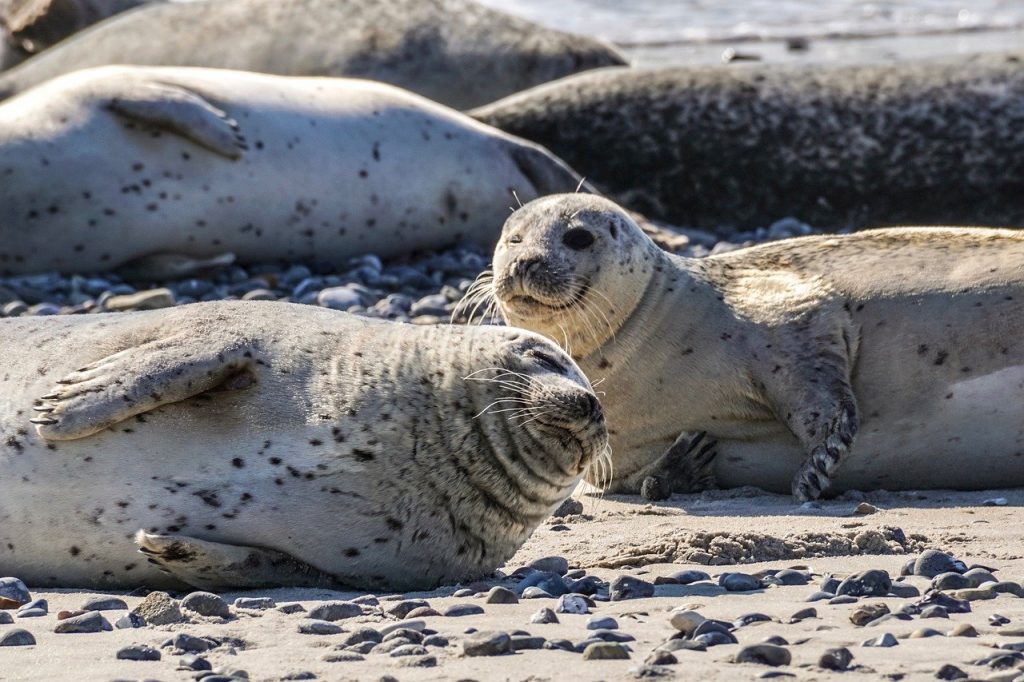
The presence of wildlife is one of the most rewarding parts of living by the sea.
You might glance out of the window and spot dolphins offshore, watch seals haul themselves onto rocks at low tide or see migrating birds stop to feed in the estuaries.
After storms, beaches are often scattered with unusual shells and seaweed.
The nature is what makes all the complications of coastal living worthwhile!