12 fascinating facts about Falmouth
I’ve always been fascinated by Falmouth.
The naval town turned nightlife and foodie capital has stories everywhere you turn.
While it certainly sees plenty of tourists, it’s not the very first place a lot of people think of when planning a Cornwall trip.
But – aside from the excellent food and fun pubs (Beerwulf is a personal favourite) – there are plenty of historical draws to Falmouth.
Here are some fascinating facts that may inspire any budding historians to visit!
📍Falmouth is home to the third deepest natural harbour in the world
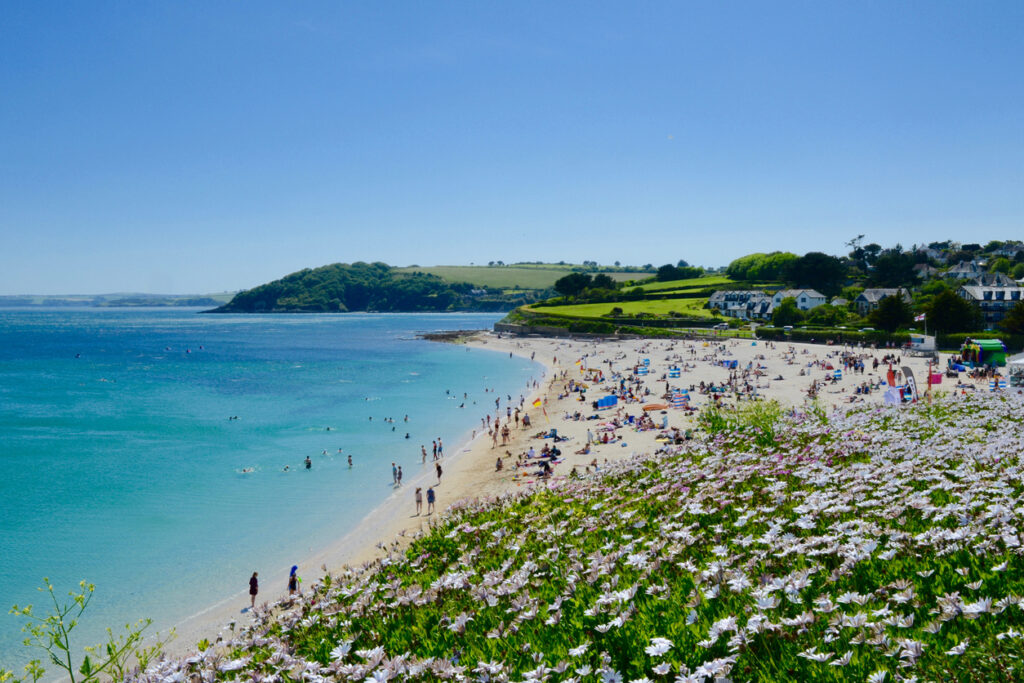
At its deepest, Falmouth Harbour reaches 34 metres – it’s the deepest harbour in Europe. The depth allows large ships to anchor close to shore without dredging
It’s no surprise that this deep, safe harbour means Falmouth has been used by ships and boats for centuries – from naval WW1 and WW2 vessels to cruise ships touring Europe (it’s a smaller cruise hub than say, Southampton, but you can still find cruise deals here!).
📮Falmouth was Britain’s Royal Mail packet station from 1688
Before steamships, sailing packet boats carried mail and diplomatic dispatches to the Americas, the Caribbean and the Mediterranean.
They left from Falmouth, making it one of the most internationally connected towns in 18th- and 19th-century Britain.
“We got the news before London” I was once told on a trip there. “Falmouth was the place to be!”.
⚓️Several surrendered German U-boats sank near Castle Beach after WWI
These Geramn U-boats were being towed into Falmouth Harbour to be used for naval gunnery practice.
Some sank in place and can still be seen at very low tides or by divers. Speak to DiveUK, who are based in Falmouth, for more information about them!
✍️Kenneth Grahame drafted The Wind in the Willows while staying in Falmouth
Kenneth Grahame wrote letters to his son from the Greenbank Hotel in 1907.
These letters became the basis of his famous novel. The hotel – which you can stay in – still has framed copies of the original writing on display!
🧪Falmouth hosted one of Britain’s worst cholera outbreaks in 1849
Cholera outbreaks were rife all over Europe in the 19th century, but Falmouth’s 1849 epidemic was particularly bad.
Poor sanitation and contaminated water led to over 200 deaths in a matter of weeks.
It prompted major public health reforms in the town, including the development of piped water and improved drainage.
🌴 You’ll find subtropical plants in Falmouth!
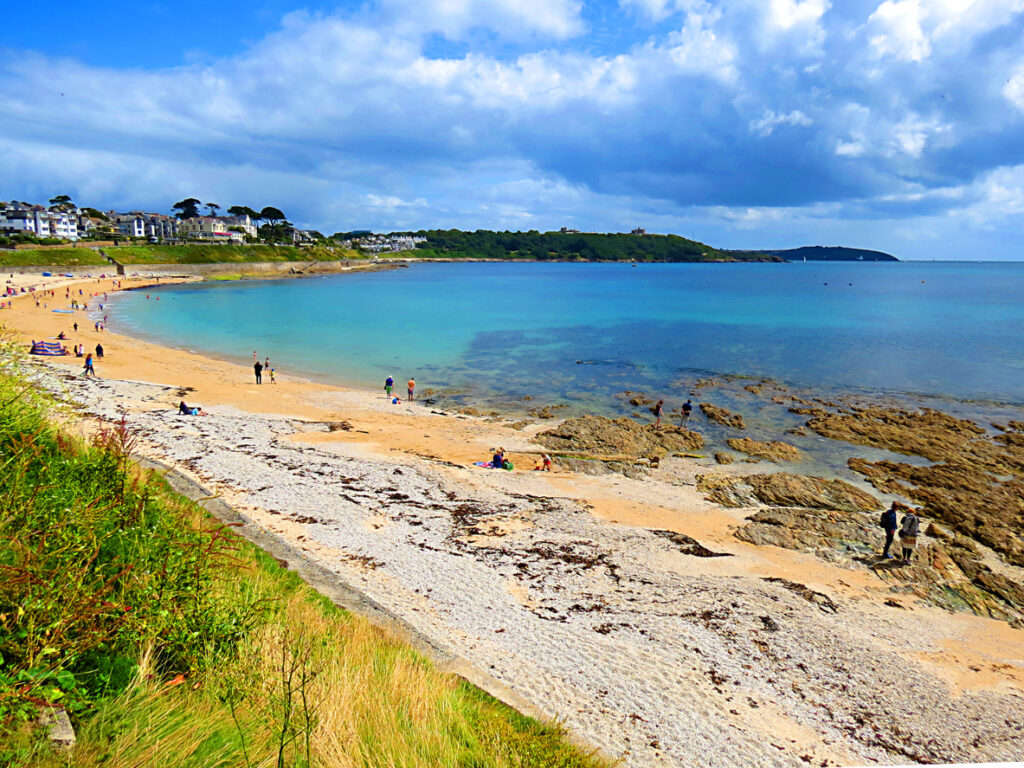
Like many other South Cornwall and Devon destinations, including Penzance, Falmouth’s home to palm trees and agaves in public gardens.
They’re not native – they were imported – BUT the mild winters and lack of strong winds (which the north has more of) means that they can survive here!
🛳The D-Day embarkation point for US troops was just outside Falmouth
The Fal Estuary was used as a key launch site for Operation Overlord in 1944.
Troops and equipment were loaded at nearby Tolverne and Trebah.
A memorial at Trebah Garden now commemorates the American soldiers who departed from there.
🎨Falmouth Art Gallery includes works by Dali, Picasso, and Rembrandt
Falmouth library sits above the town library on The Moor and has a surprisingly eclectic collection!
While many works are on rotation, it regularly features British Impressionists and surrealists alongside European masters.
⚔️Pendennis Castle was one of the last Royalist strongholds to fall in the English Civil War
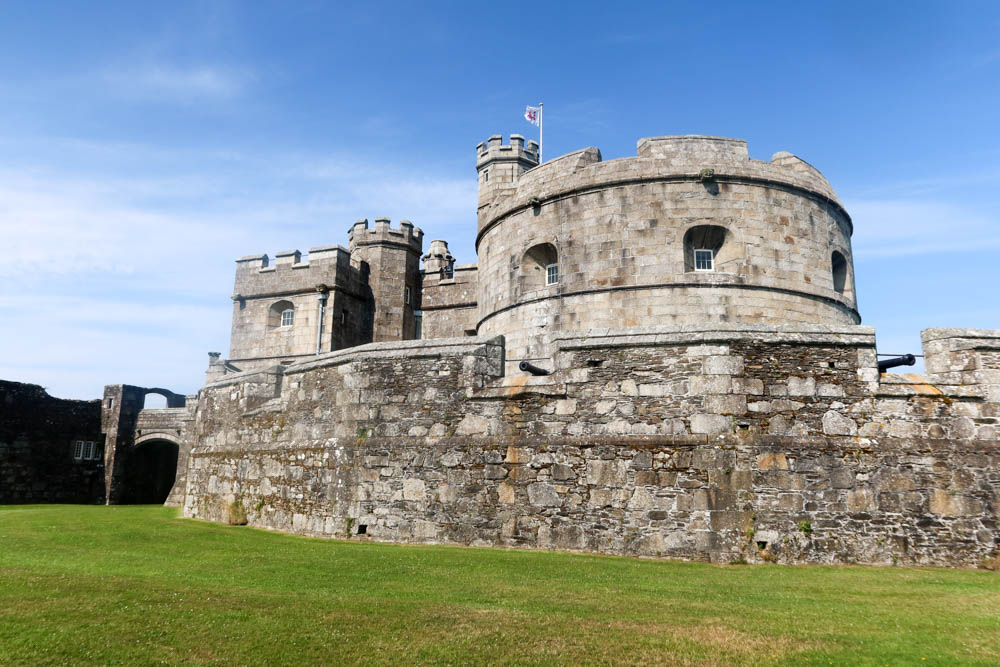
In 1646, over 1,000 Royalist soldiers, civilians, and servants took shelter in the castle during a five-month siege by Parliamentarian troops.
Supplies dwindled, with accounts of the defenders eating horses and dogs before surrendering in August.
Only Raglan Castle in Wales held out longer.
🎼The town hosts one of the world’s largest sea shanty festivals each June
The Falmouth International Sea Shanty Festival brings in over 60 groups from around the world, including groups from other Celtic nations.
Performances are staged in pubs, outdoor venues, and on the harbourside, with proceeds going to the RNLI.
It is busy, but it’s one of the best times to visit the town.
🗺Falmouth was suggested by Sir Walter Raleigh and is much younger than people expect
In the late 1500s, Raleigh – then Warden of the Stannaries – proposed that a new town be built at the mouth of the River Fal to take advantage of its deep natural harbour.
The idea wasn’t acted on until the early 1600s, when the Killigrew family began developing the area around Arwenack. Falmouth only became a recognised town in 1613, making it centuries younger than neighbouring Penryn or Truro. This is something that still surprises visitors today!
🏴☠️The land Falmouth was built on was once controlled by a female pirate
In the mid-1500s, Mary Killigrew ran Arwenack House and the surrounding estate while her husband, Sir John Killigrew, was governor of Pendennis Castle.
She continued the family’s privateering business – and, according to several reports, piracy. One 1580s incident saw her crew seize a German merchant ship in the Fal Estuary. She was arrested but later released after claiming she’d acted without her husband’s knowledge!
🧭How to visit Falmouth
- Stop off on a Cornwall road trip: Falmouth fits easily into a coastal route through South Cornwall. It’s close to the Roseland Peninsula, the Helford River, and less than 45 minutes from St Ives, Truro or the Lizard. There’s parking in the town centre and at the park-and-ride near Penryn.
- Visit as a standalone destination: There’s enough here for a full weekend or more: Pendennis Castle, boat trips on the Fal Estuary, sheltered beaches, coastal walks, and independent shops and galleries. It’s also well connected by train, with direct services from Truro and a scenic branch line to the harbour.
- Arrive by cruise ship: Falmouth is a regular port of call for cruise lines, thanks to its deep-water harbour and proximity to attractions. Bolsover Cruise Club often has excellent deals that include stops in Falmouth as part of British Isles or Northern Europe itineraries.