10 most beautiful Cotswold villages and towns to visit
The Cotswolds is known for its towns villages built from honey-coloured stone, spread across rolling countryside in the south of England.
Some are small and quiet – with little more than a handful of cottages and a stream running through them. Others are larger market towns. All are worth visiting!
If you’re visiting for the first time, it can be difficult to know where to start!
There are dozens of villages across the region, and many look similar on the surface, but a few stand out for their setting or history.
With that in mind, here are 10 of the prettiest Cotswold villages to add to your itinerary!
Top Cotswold towns and villages
Here are some of the prettiest Cotswold towns and villages that you should add to your itinerary! If you’re staying in the area for a few days, Secret Escapes has some fantastic UK deals.
Bibury
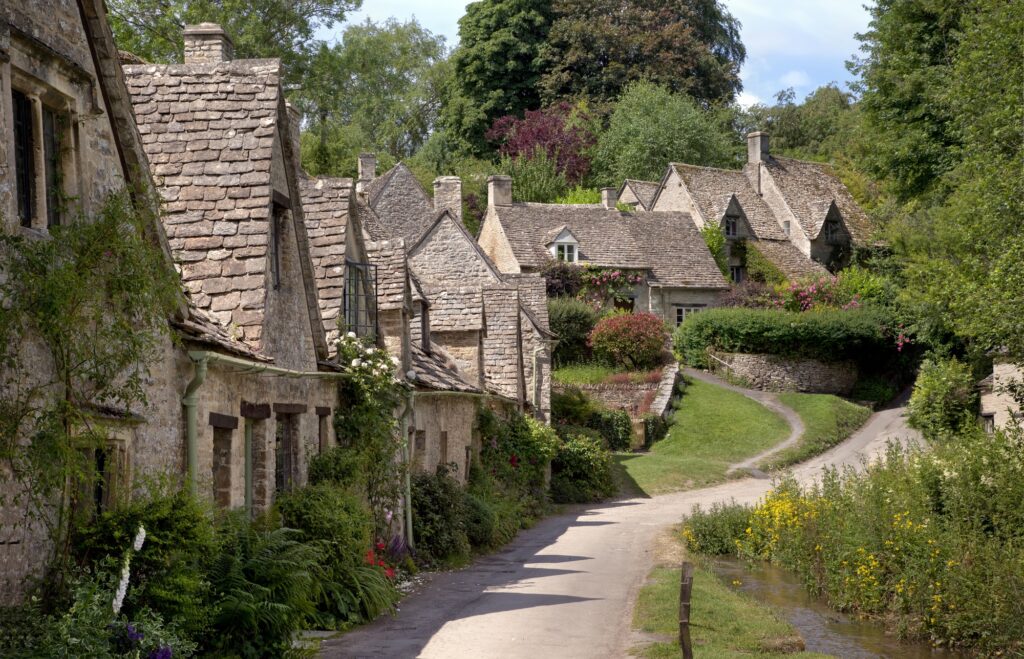
Bibury is one of the most photographed villages in the Cotswolds, largely thanks to Arlington Row. These cottages date back to the 14th century and were originally built as a monastic wool store before being converted into weavers’ homes.
They sit just back from the road beside the River Coln, and it’s this stretch that you’ll see on postcards and guidebooks.
The village itself is quite small, so you don’t need long here – it’s better as a quick stop rather than a full afternoon!
If you want to see Arlington Row without crowds, it’s best to arrive early in the morning or later in the day, as it does get busy with tour groups.
Castle Combe
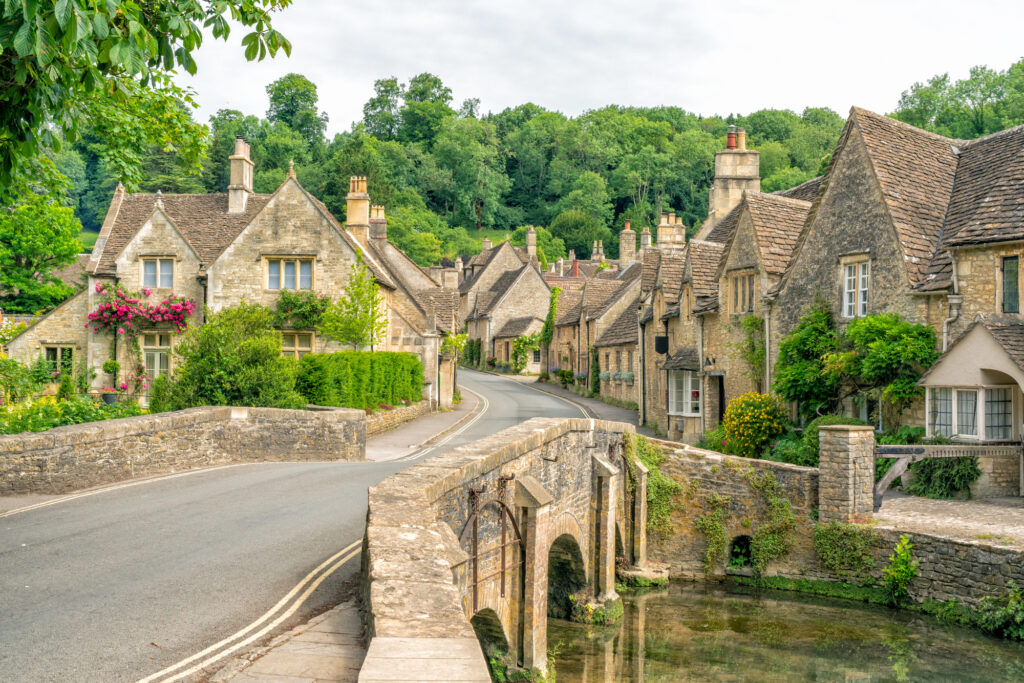
Castle Combe feels more preserved than most Cotswold villages. There are no modern buildings in the centre, and the layout hasn’t changed much in centuries!
The main square is anchored by a medieval market cross, with stone cottages and a church just beyond.
It’s slightly more spread out than Bibury, so you can spend a bit longer walking around!
The streets are quiet once you move away from the main square, and there are a few footpaths leading out into the surrounding countryside.
Like Bibury, it gets busy during the middle of the day, so visit earlier or later.
Bourton-on-the-Water
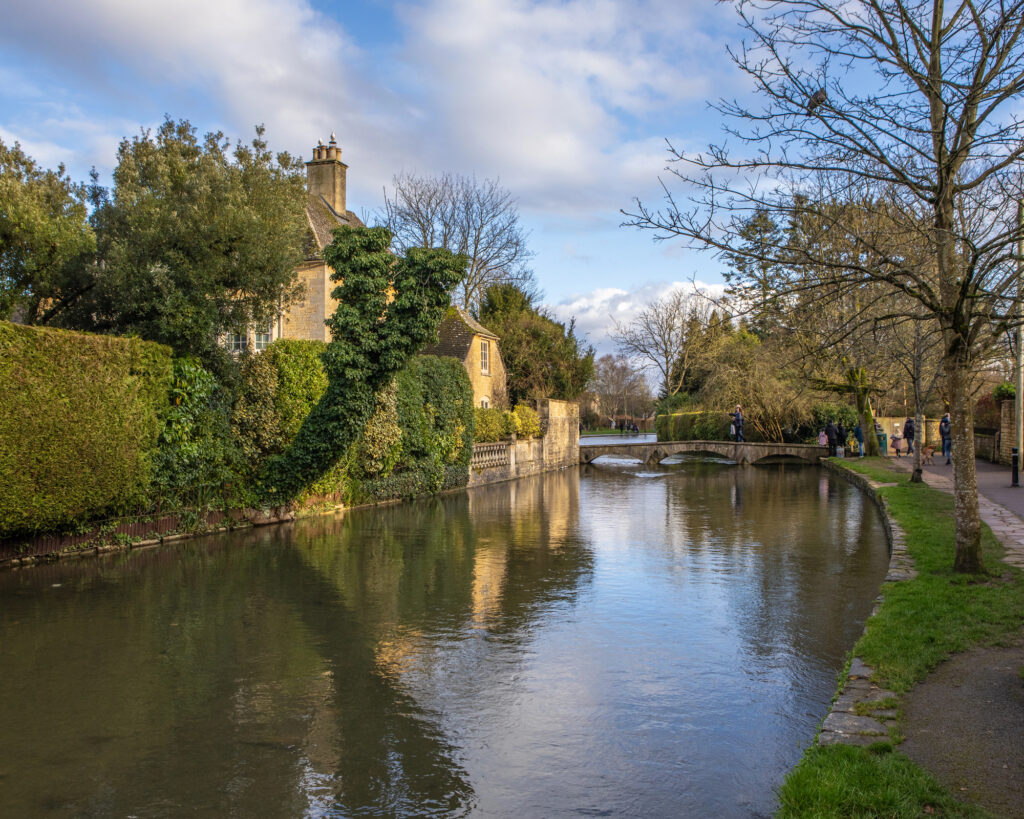
Built along the River Windrush, Bourton-on-the-Water’s home to a series of low stone bridges crossing the water through the centre of the village. This is one of the busiest places in the Cotswolds, and it feels more set up for visitors than somewhere like Bibury or Castle Combe!
There are plenty of cafés, pubs and small attractions here, so it works well if you want somewhere to stop for lunch or spend a bit longer.
The riverside is the main focal point – especially in warmer months when people sit along the banks. If you’re visiting in peak season, expect crowds!
Lower Slaughter
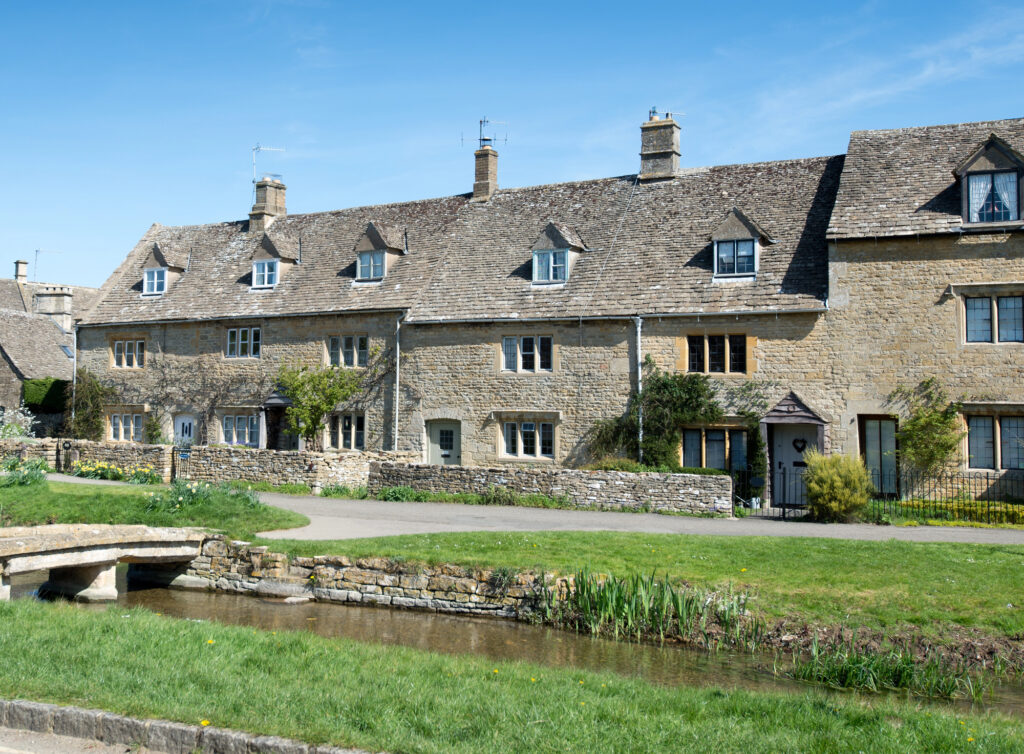
Lower Slaughter is just a short distance from Bourton-on-the-Water, but it feels noticeably quieter! Here, you’ll find a shallow stream running through the village, passing a restored mill and a handful of stone cottages.
You can actually walk from Bourton-on-the-Water and Lower (and Upper!) Slaughter – it’s a scenic stroll along the Windrush River (the route is known as “Windrush Way”). This is a fantastic way to tick off multiple Cotswold villages and see some countryside in a day!
Upper Slaughter
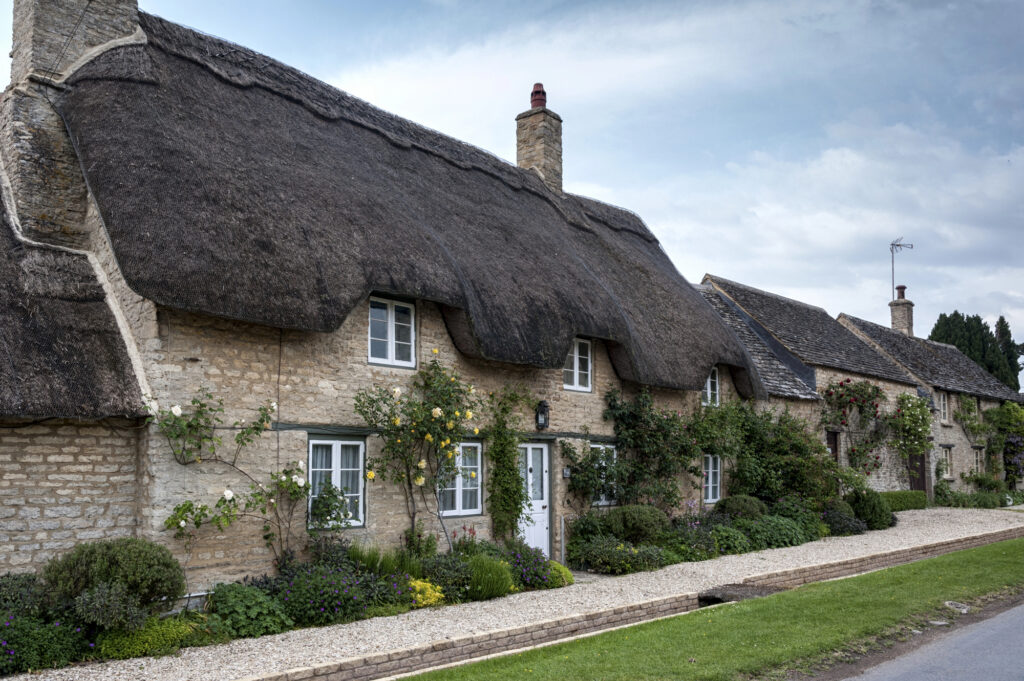
Upper Slaughter (which you can also walk to from Bourton-on-the-Water or Lower Slaughter) feels more residential – but it has the same honey-coloured stone buildings and open green spaces.
The walking route between the two villages follows the River Eye.
Stow-on-the-Wold
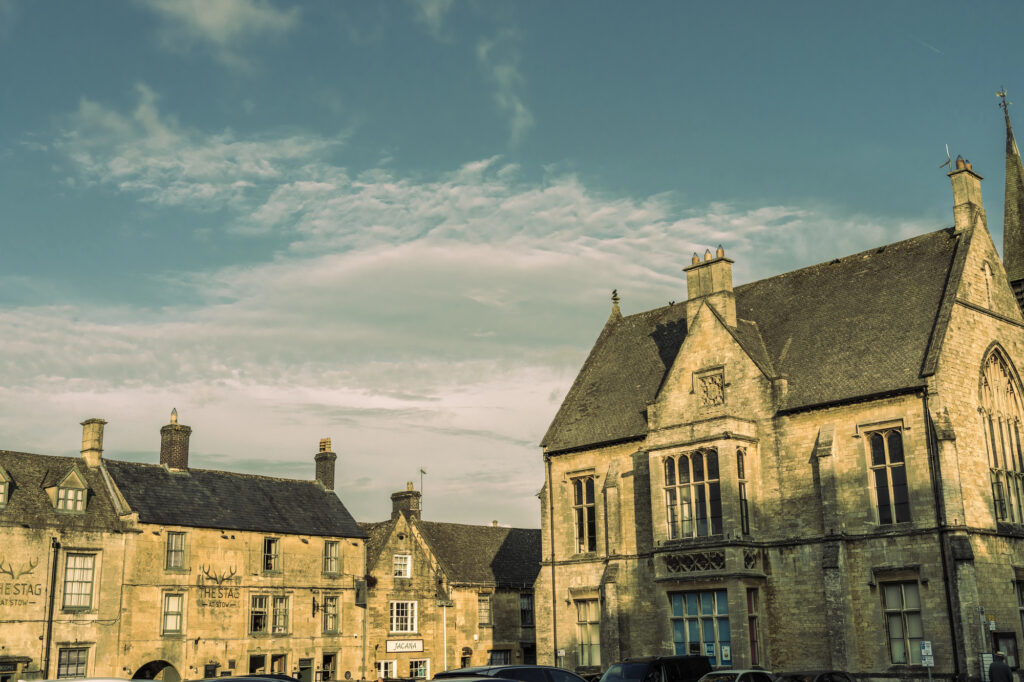
Stow-on-the-Wold is more of a small town! It sits on top of a hill and is centred around a large market square which was historically used for trading.
It’s also known for the doorway of St Edward’s Church (the “Tolkein” door) which is framed by two large yew trees and has become a popular photo spot.
Painswick
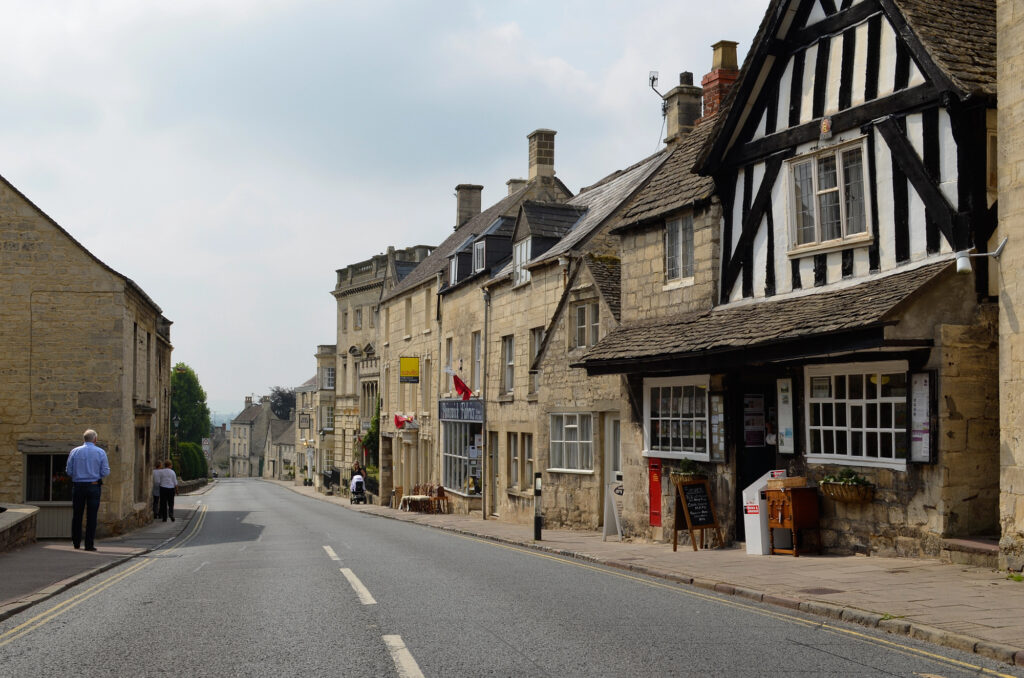
Painswick sits on the edge of the Cotswolds with views out over the surrounding valleys. It’s often referred to as the “Queen of the Cotswolds”, and it does feel slightly more refined than some of the other villages!
The main focal point is St Mary’s Church, which is surrounded by rows of yew trees in the churchyard. The village itself has a few cafés and small shops, so it works well as a slower stop rather than somewhere you just pass through.
It’s also less busy than places like Bourton-on-the-Water, even in peak season! There are some lovely country hotel breaks in the area as well.
Bradford-on-Avon
Bradford-on-Avon is larger than most places on this list, but it still has the same honey-coloured stone buildings and historic feel!
The town is built along the River Avon, with a medieval bridge crossing the water and rows of buildings lining the riverbank.
The streets climb up from the river, so you get a mix of viewpoints looking back down over the town.
Burford
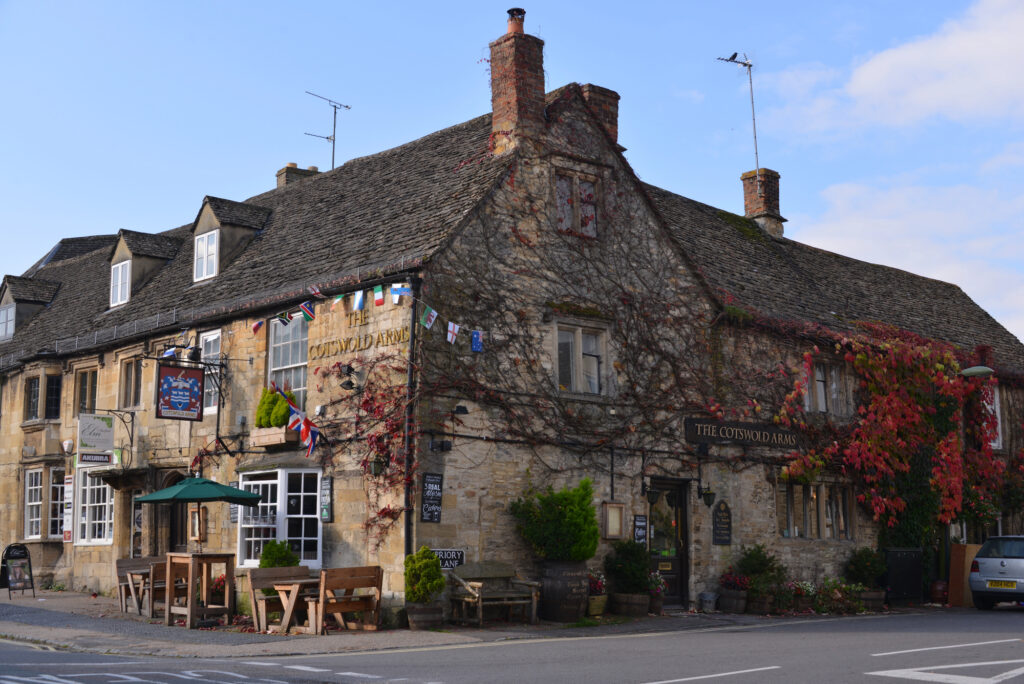
Burford is built along a sloping high street that runs down towards the River Windrush. As you walk through the town, you’ll notice how the buildings step down the hill, with a mix of medieval and later architecture along the way!
It has more of a small town feel, with a wider range of shops, pubs and places to eat. At the bottom of the hill, you’ll reach a medieval bridge crossing the river.
It’s a good place to stop if you want somewhere with a bit more going on, while still keeping that traditional Cotswold look.
Chipping Norton
Chipping Norton is more of a working market town than a picture-perfect village, but it still has plenty of Cotswold character! The centre is built from the same honey-coloured stone.
It feels more lived-in, but it’s beautiful and has some great pubs!
The Cotswolds is a very touristy part of the UK, but it’s definitely still worth a visit. I’ll be posting some more travel tips for the Cotswolds soon – follow my Facebook page to keep updated!