South West England travel tips for international tourists
You can land in the UK, step onto a train at London Paddington, and within a few hours you’re looking out at the coastline near Exeter or heading deeper into Cornwall towards Penzance.
Buuut… if your knowledge of the UK so far is just the main cities, the South West will feel quite different!
If it’s your first time in the South West as an international visitor, here’s what you need to know!
You need to rethink distances and travel times
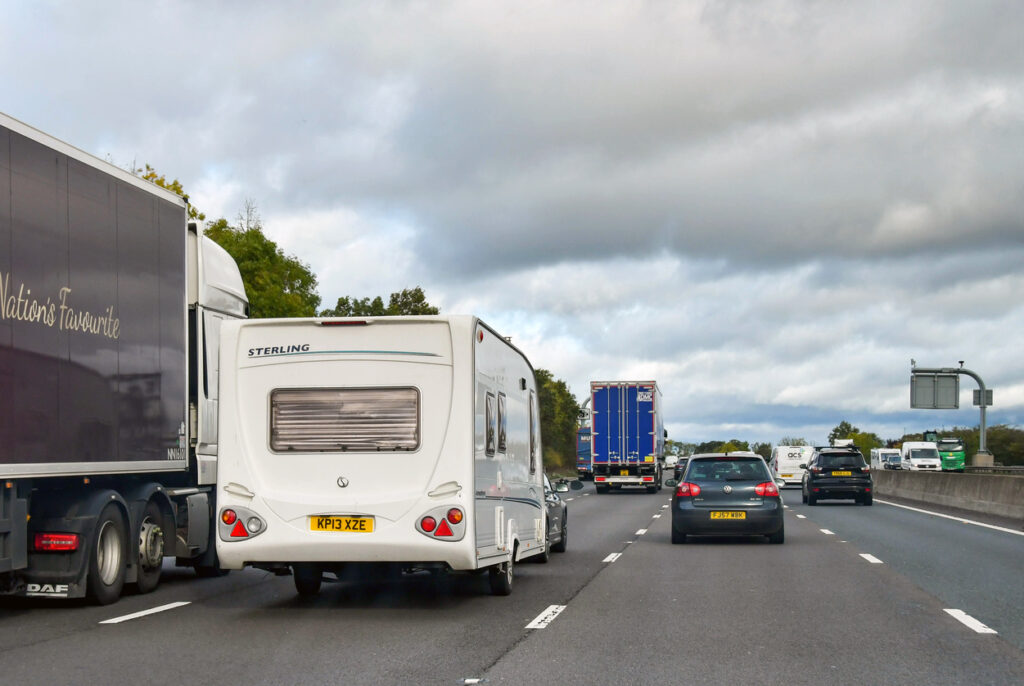
In South West England, journeys can take longer than they look.
If you’re used to high-speed rail across Europe or large highways, the South West will be slower! A short distance on the map can take far longer in reality:
- Connections are limited. Trains don’t run every few minutes, and rural bus services are not designed for tight itineraries. It’s hard to visit multiple places in a day without
- Roads are narrow and often single track. In places like Cornwall, you’ll regularly reverse into passing places to let other cars through. If you’re hiring a car after arriving in the UK, choose something small and give yourself time to adjust!
Use a VPN

Some of your usual apps won’t behave the same in the UK – for example, streaming services can show different libraries. It’s also a good idea to secure your connection when using a public network!
A VPN, like VeePN free, helps keep things consistent by letting you connect as if you’re still in your home country. It also establishes your own private network which keeps you safe from hackers!
Payment, tipping and everyday costs work differently

Card is accepted nearly everywhere, and some places are cashless.
Contactless payment is the norm across the UK. You can tap your card or phone almost everywhere, including buses and market stalls! I rarely have cash on me – and some laces are completely cashless.
Tipping isn’t expected in the same way as in the US.
Restaurants may include a service charge. Check your bill before adding anything extra. If it’s not included, rounding up or leaving around 10% is appreciated, but not required.
The weather affects how you explore

You need to pack for changeable conditions.
Even in summer, you won’t get consistent weather. Sunshine, wind and rain can all happen in a single day, especially along the coast!
Bring layers and a waterproof jacket every day.
Coastal walks like the South West Coast Path are exposed, and wind can make it feel much colder than expected.
If you’re heading inland, conditions shift even faster!
Dartmoor and Exmoor can become foggy very quickly. Visibility drops and paths aren’t always clear. Download maps before you go and avoid wandering off main routes.
Book ahead in peak season or change your timing
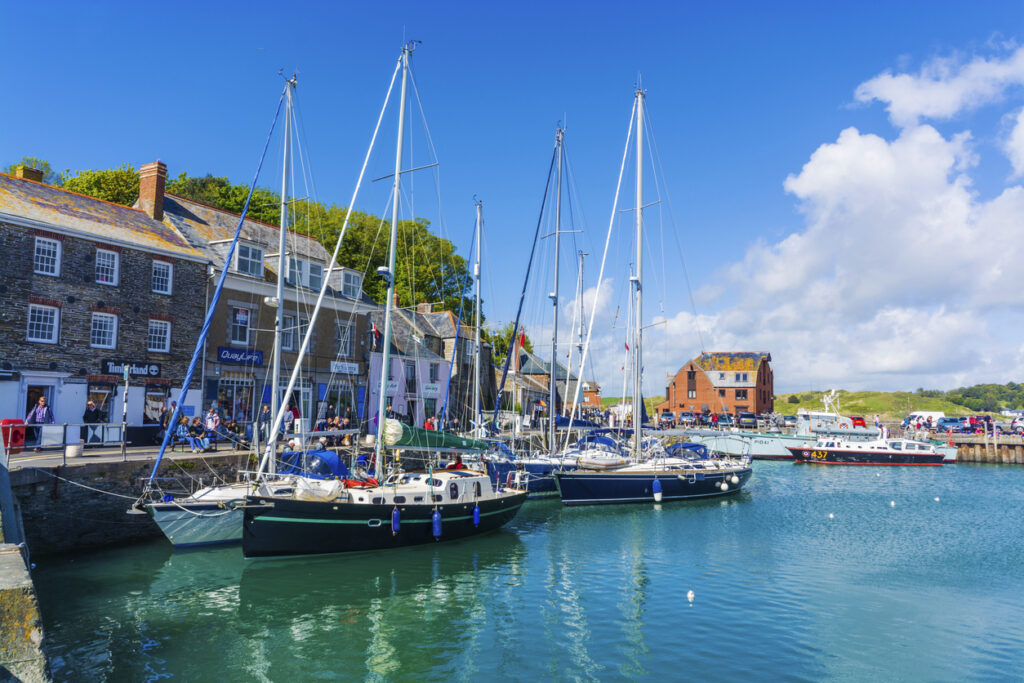
Summer demand is high and availability is limited.
Places like St Ives and Padstow fill up quickly between June and August. Prices rise fast as rooms disappear.
If you’re visiting during this period, book accommodation as early as possible.
If you have flexibility, consider adjusting your dates.
May, June and September are better for Devon and Cornwall. Hopefully, you’ll still get good weather, but with fewer crowds and more availability.
Driving rules and expectations are different
You’ll be driving on the left.
For many international visitors, this is the biggest adjustment!
Speed limits are shown in miles per hour, not kilometres. Road signs can also be different, especially in rural areas where signage is limited!
Fuel is expensive compared to many countries. Budget for it if you’re planning a road trip across Devon and Cornwall.
Beaches aren’t always what you expect
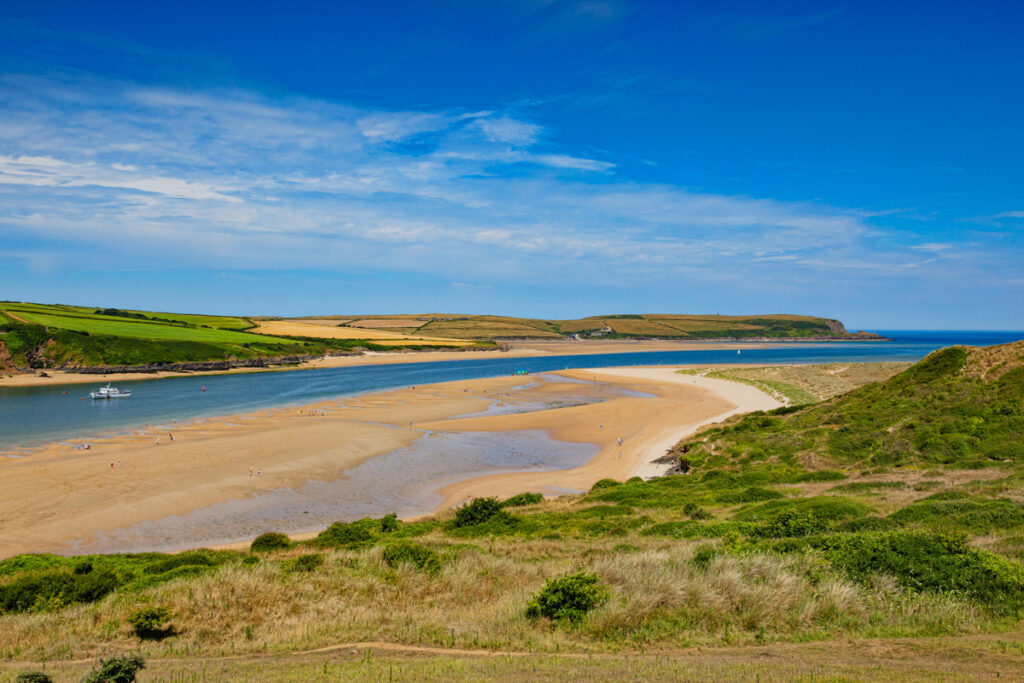
The sea is cold, even in summer.
If you’re expecting warm water, you’ll need to adjust expectations. People do swim, (I go all year round!) but it’s brief unless you’re used to colder conditions.
Check for lifeguards and flags before entering the water. Some beaches have strong currents and waves that change quickly. Lifeguards are common in summer but not year-round.
Access can also be harder than it looks.Many beaches involve steep walks. Car parks are often at the top of cliffs, with paths leading down. Be sure to take heed of any warnings, as sometimes coast paths close due to cliff falls.