Student guide to Exeter
Planning on going to Exeter University? Here’s everything you need to know to get used to the city!
First impressions of Exeter as a student city
Exeter is a small city that is highly tailored to students!
Around a fifth of the people you see in town are students – and when term ends, the high street, the pubs and the buses suddenly thin out quite considerably!
This makes it a very student-focused city, despite its size.
Being a Russell Group, many think that Exeter is a “posh” university. This is only true in some cases; there are plenty of privately educated, moneyed students, especially in certain halls and on some courses.
But there are also lots of state-educated students and people working part-time to stay afloat. Plus, there’s a large international community.
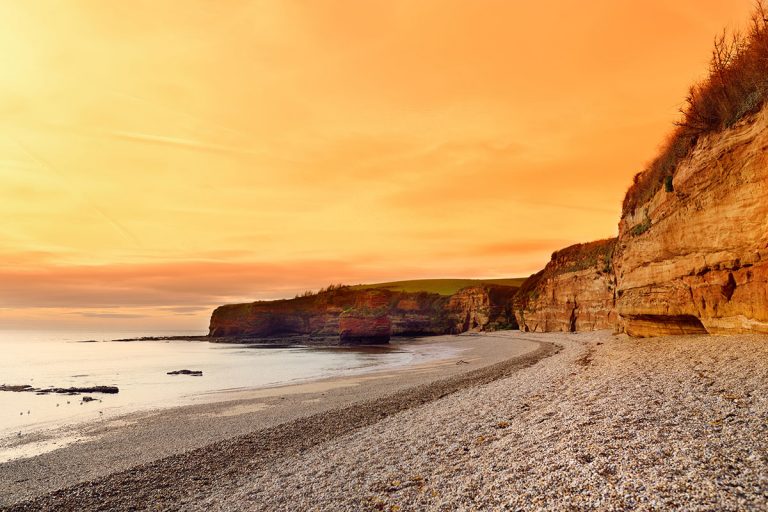
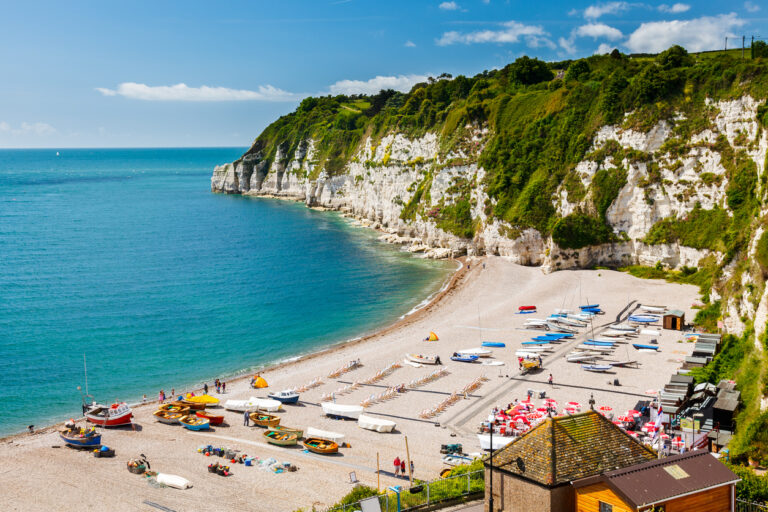
One of the huge perks of Exeter is its location. Beaches at Exmouth and Dawlish sit a short train ride away. Dartmoor is close enough for a spontaneous weekend walk.
You get a campus bubble during the week and quick access to the coast and countryside when you need a break from seminars and screen time – it’s a perfect combo!
Cost of living and budgeting as a student
The cost of living varies hugely and changes often. Some students can live comfortably on £150 to £200 per week for food, going out and general spending (without accommodation). But of course, it’s easy to spend more!
Here’s what to consider when
Food and basics
- Cooking most meals at home keeps prices down.
- Aldi, Lidl and the big Tesco on the edge of town have lower costs compared to constant Tesco Express trips.
Nights out
- Student pubs and clubs keep drink prices relatively low.
- Entry deals and student nights help if you plan ahead.
Extras
- Society memberships, gym, climbing, train trips to the beach and takeaway food all add up.
- International students might need to factor in further costs, such as visas, flights and a Europe travel eSIM when they first arrive.
Rent
- Rent is usually your highest cost. Typical ranges students talk about:
Uni halls
- En suite in popular halls is towards the top end.
- Shared bathroom or older buildings usually shave some off the price.
Private student houses and rooms
- Roughly £120 to £200 per week, depending on location, condition and whether bills are included.
- Cheaper rooms often go quickly, especially anything half decent near campus or the city centre.
Transport
- Walking reduces transport costs.
- Many students spend very little on buses inside Exeter because the campus, town and stations all sit within walking distance.
Part-time work
- Part-time jobs are also available, and many students take these on.
- Pub work, cafés, supermarkets and on-campus roles are available throughout the city but are often minimum wage (£10.00 for under 21s and £12.21 for those aged 21+).
Where students live: halls, house shares and locations
Your housing choice is one of the biggest things that shapes your Exeter experience.
In the first year, most students go into university halls. Here are some notes on them:
Holland Hall and similar catered halls
- Very close to campus
- Higher rents, en suite rooms and large dining facilities
- Heavier concentration of wealthier students
Lafrowda and East Park
- Right in the heart of campus
- Busy, social and full of undergraduates
- Good balance between walking distance to town and access to lectures
St David’s and Cook Mews
- Close to St David’s station, around a fifteen-minute walk to campus and town
- Smaller flats and houses, often with five or six people
- Popular with students who want a cheaper, less polished but friendlier feel
You can also end up in slightly quirkier or cheaper uni-managed places such as Garden Hill House or other smaller blocks. These might look worn around the edges, but often have lower weekly rents and decent locations near East Park or the main campus.
One key detail many new students miss, then realise later:
- Halls’ contracts are usually around 40 weeks, with bills included.
- Private contracts are often 49 to 51 weeks, and bills may be separate.
Once you move into the second year and beyond, students usually form house groups and move into shared houses around popular streets near campus or the city centre.
You can also rent private rooms through student agencies or SpareRoom, which offers more flexibility.
Campus life and facilities
Streatham is the campus most students picture when they think of Exeter.
The Forum sits at the heart of everything. Here, there’s:
- the main library entrance
- study seats overlooking the piazza,
- shops and cafés
The Business School, INTO building, Sports Park and newer accommodation blocks give the campus a modern feel.
Students constantly mention how good the sports facilities are. If you do rugby, rowing, climbing, badminton or gym training, you’ll find structured spaces and well-organised clubs. Plus, the campus gym and group classes are busy every evening.
St Luke’s, is where education, sport science and medical-related students often study. People describe St Luke’s as friendly and community-driven.
Clubs and going out
Exeter’s big nights are midweek rather than at the weekend, because that’s when the clubs shape their events around the student crowd!
Student pubs you’ll hear about constantly:
- The Imperial (Impy): huge garden, lots of seating, busy from lunchtime onwards.
- Chevalier (Chev): right in town, easy for pre-drinks.
- The Vic and Black Horse: classic student staples near campus.
- Old Firehouse: always lively, famous for giant pizzas, worth going early if you want a seat.
The Quayside comes alive in summer. You’ll find outdoor seats that are perfect for catching the rays. A firm favourite is Topsham Brewery!
There are the best clubs in Exeter:
- Timepiece (TP): three floors, loud, energetic, Wednesday sports night is notorious and not for quiet groups!
- Unit 1: classic student club with themed nights, including the long-running Cheesy Tuesdays.
- Fever: a smaller space with a mix of chart music and DnB, depending on the room.
- Lemmy (Lemon Grove): on campus, feels a bit like a school disco in a good way; main first-year hangout.
Food on a student budget: where to eat
Head to Sidwell Street, Fore Street and the streets around the cathedral for Exeter’s student-friendly hangouts!
Student food in Exeter
- Eat the Bird (Sidwell Street): big burgers!
- Kin Khao Café: small Thai spot near the Odeon with food that students describe as some of the best in the city.
- Tyepyedong Noodle Bar: fast, filling and very student-friendly.
- iNoodle / iFood offshoots: simple, quick and affordable.
- Effes Grill: Turkish plates that feed one person or two people easily.
- Sai Kung Café and Cosy Corner: cash-only Chinese cafés on Sidwell Street with generous portions.
- Dinosaur Café: independent and well-loved, simple food for good value.
- The Old Firehouse: famous for their HUGE pizzas!
Societies, sport and making friends
Most students say the same thing: societies are the easiest way to meet people.
Exeter has clubs for climbing, mountaineering, cooking, gaming, travel, politics, film, K-pop, Latin dance, sailing, debate, photography, cultural groups and dozens more. Freshers’ Week is full of taster sessions you can drop into without commitment!
If you’re shy or introverted, society helps you meet people without forcing small talk. In a climbing session, board game night or hiking trip, conversation starts naturally because everyone is focusing on the same thing.
How to make friends
Don’t stress if you don’t make a big circle of friends instantly. You’ll often build a circle over time, from people in your accommodation, your course, your societies, people you meet on nights out, and others you bump into repeatedly at the gym or library.
If you arrive and your flat is quiet, which is very common, try societies or being extra social in your course. Everyone is in the same boat!
If you identify as female, you could also join the WhatsApp group Exeter Girl, which is a community of women in Exeter. All ages are in the chat, but there is a separate chat for younger people, and there will be students there!
What to do when you’re bored on campus
There are actually loads to do in Exeter!
The Quayside is the first place most students end up exploring. On warm afternoons, it becomes one of the busiest parts of the city, with people sitting by the water or drifting between cafés and bars. You can:
- Try the climbing wall at the Quay,
- Rent a kayak or paddleboard,
- Walk the river path towards Double Locks,
- Stay local and grab food from the small stalls and pizzerias.
The RAMM museum near Central Station is free and has exhibits on Devon history and culture.
See my list of things to do in Exeter here.
You can also hop on a train and head to:
- Exmouth for beach walks and fish-and-chips on the seafront.
- Dawlish for the coastal path and what I think is the BEST train line in the country.
- Topsham for cafés and river scenery.
See my list of places to visit in Devon here.
Or you could head further afield to Totnes, Okehampton or Barnstaple and North Devon (all reachable by train!).
There’s also Dartmoor at your fingertips – the train to Okehampton serves the moor, but if you have a car, you can explore the entire National Park!
Here’s a list of places to visit in Dartmoor.
Exeter is a wonderful university city with so many fun things to do and a great student culture. It might take some getting used to, but it’s easy to fall in love with!