Animals you might see in the South West in winter
Winter might be creeping in, but you can still enjoy the glorious nature of the South West!
There are actually plenty of incredible opportunities to see Devon and Cornwall animals, either from the moors or from the clifftops!
Here are some of the best animals in the South West to look out for in winter.
Coastal wildlife along Cornwall and Devon’s shores
Grey seals
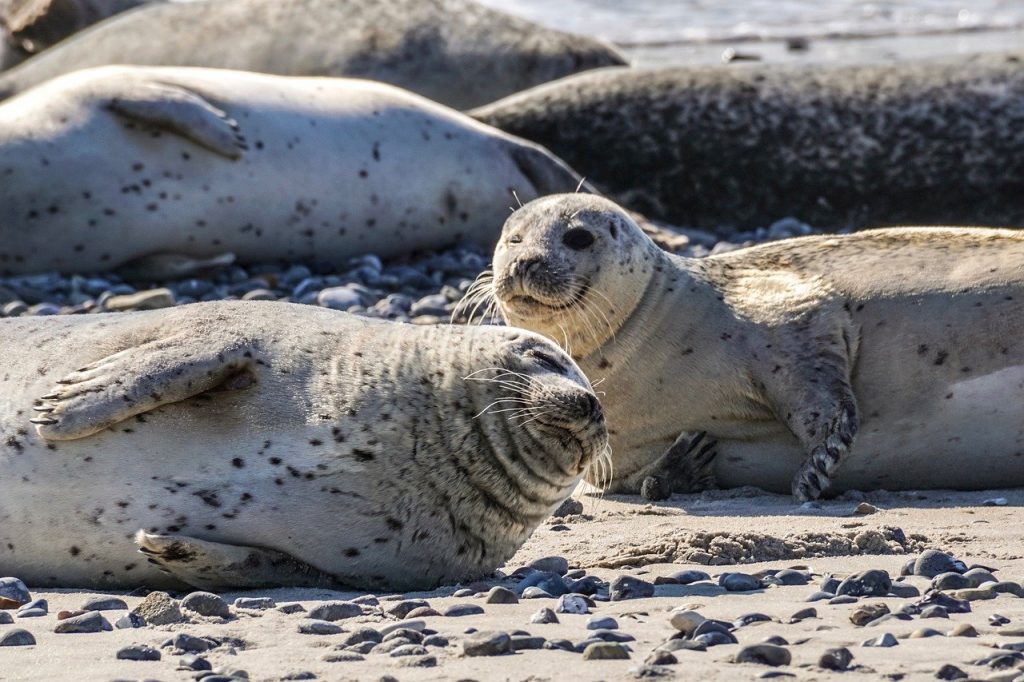
Grey seals are one of the most frequent winter sightings along the South West coast!
You often spot them at Godrevy and Mutton Cove in Cornwall, where they haul out on the rocks in sizeable groups.
Winter is the point when pups have already been weaned and begin venturing into open water, so you may see younger seals resting on quieter beaches while they learn to hunt!
Around Newquay, St Ives, and parts of the north Devon coast, seals swim surprisingly close to shore when feeding is good.
Harbours with regular fishing activity, such as Newlyn or Brixham, sometimes attract seals hoping to pick up scraps (but keep a sensible distance for their safety).
If storms pass through, seals often retreat to more sheltered inlets, so checking coves after rough weather can increase your chances of seeing them.
It’s not quite the same as taking a Naturetrek holiday to the Arctic, but seeing the seals in Devon and Cornwall is still an absolute must-do.
Make sure to give them plenty of space, just take photos from afar. You can read more about where to see seals in Cornwall here or about the Cornish Seal Sanctuary here.
Guillemots
Berry Head in south Devon turns into one of Britain’s earliest-returning seabird cliffs in December, and guillemots are the species you notice first.
They arrive well before spring, stacking themselves tightly on the ledges of the limestone headland. The reduced vegetation and clearer winter air give you a better line of sight across the colony.
Guillemots commute between the rock face and the water just beneath the cliffs, diving for fish in short, rapid bursts.
Wet, overcast conditions often keep them active for longer stretches during the day. If you watch the lower ledges through binoculars, you sometimes see small groups jostling for space even this early in the season!
Shags and cormorants
Shags and cormorants stay active around headlands from Hartland Point to Start Point throughout winter.
You’ll recognise them by their repeated dives and low, direct flight pattern.
Winter feeding grounds lie close to shore because baitfish gather in tighter shoals during the colder months. This lets you watch them working a small area for quite a while before moving on.
Shags tend to remain on open coastal rocks, often standing with wings slightly spread when the weather allows.
Cormorants favour harbour walls, navigation posts, and breakwaters around towns like Plymouth and Torquay.
Dolphins and porpoises
Common dolphins and harbour porpoises appear around the Cornish and Devon coasts throughout the year, but winter can mean quieter seas and fewer boats. This could improve your chances of spotting them!
Calm days after storms are particularly productive around the Lizard, Land’s End and stretches of the north Devon coastline.
Common dolphins travel in fast-moving groups, whereas harbour porpoises behave differently and surface quietly.
Keep an eye out for them whenever you’re on a headland!
See more about dolphins in Cornwall here.
Moorland wildlife on Exmoor and Dartmoor
Red deer
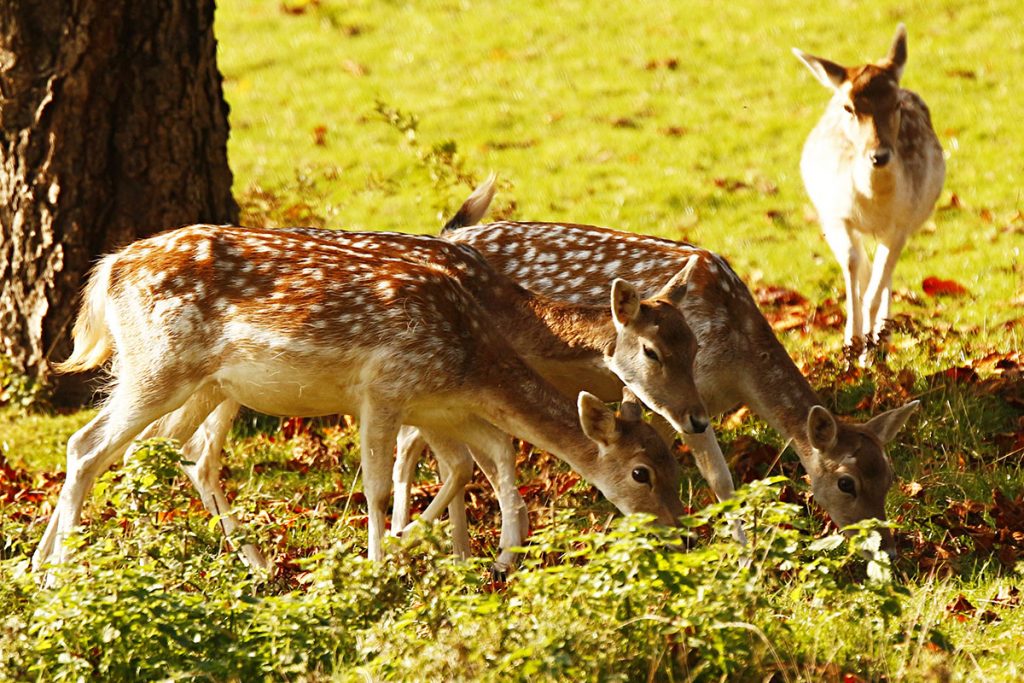
Exmoor is home to the largest wild red deer population in England, and winter means excellent visibility across their home range.
Cold air and bracken die-back result in the open slopes around Dunkery Beacon, Porlock Common, and the Barle Valley giving clearer views of herds feeding and travelling between sheltered areas.
Early morning is the most reliable time. Deer cross the higher ground while traffic remains low, using the ridges to scan for disturbance. The rut ends in autumn but winter brings movement as groups settle into their seasonal pattern.
You often see mixed-age herds grazing on the south-facing slopes where frost lifts earliest. If you walk on quieter trails, you sometimes hear stags moving through woodland edges, breaking branches as they navigate steeper ground. Patience pays off!
Exmoor ponies
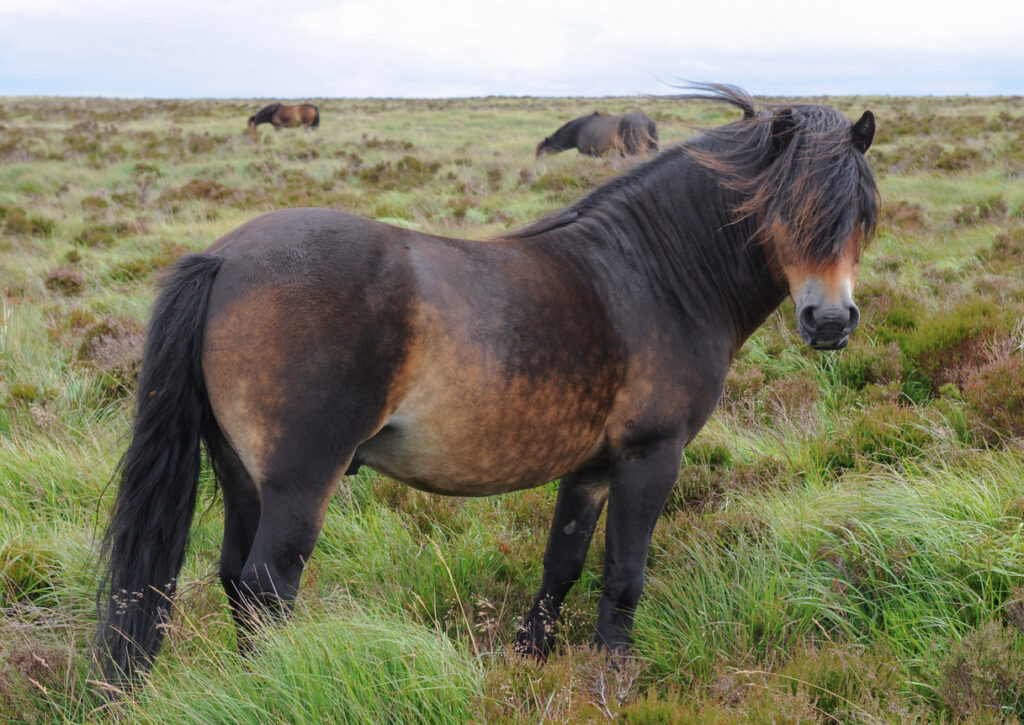
Exmoor ponies live year-round on the moor and remain visible throughout winter.
They grow thicker winter coats and keep a steady pace across the hillsides, often travelling between Winsford Hill, Haddon Hill and the areas surrounding Tarr Steps.
In colder weather, ponies cluster together to conserve warmth, and you may see several small groups using the same grazing patch during a single morning.
Their behaviour doesn’t change dramatically in winter, but their movements become more predictable as food becomes limited.
If you follow established rights of way, such as the routes above Dulverton or the paths near Withypool, sightings are frequent because the ponies graze close to the trails.
See my full Exmoor guide here.
Dartmoor ponies
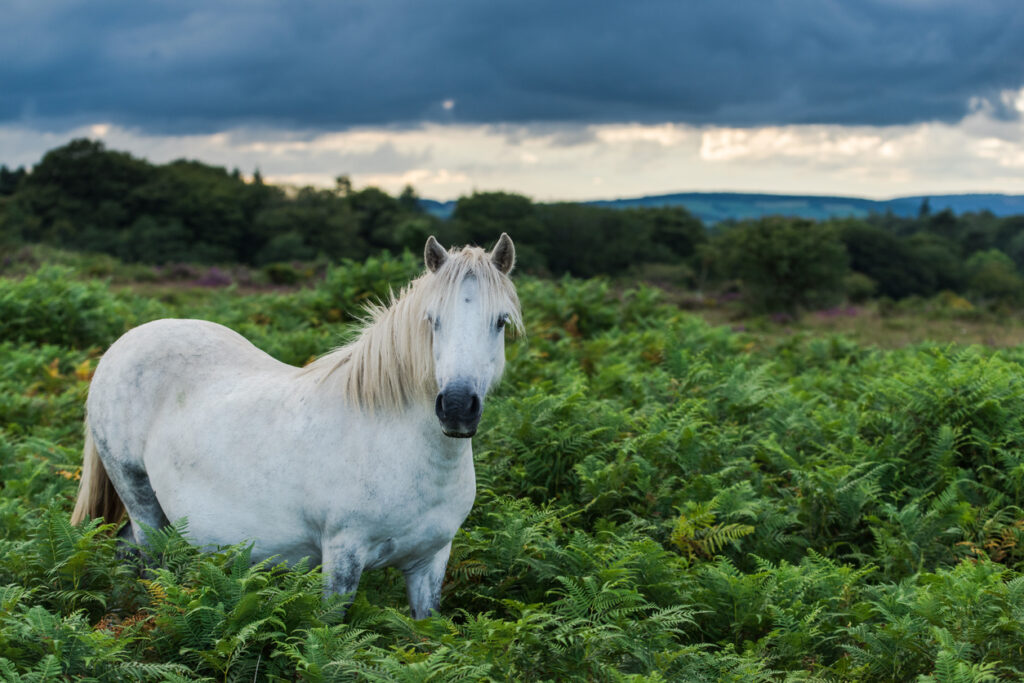
Dartmoor ponies form loose herds spread across the central moor, including areas around Haytor, Saddle Tor, Postbridge and Burrator.
Winter nudges them to graze in more sheltered spots. Here, the wind drops between granite tors.
The ponies move methodically across the moor, using well-trodden trails that stay firm even after heavy rain.
Riverside areas near Bellever Forest attract small groups because the grass remains accessible when upland patches freeze.
If you plan a winter walk, the stretch between Haytor and Hound Tor is particularly good for sightings because ponies pass through this area throughout the day.
See my full Dartmoor guide here.
Wetland and estuary wildlife in Somerset, Devon, and Cornwall
Wading birds
Winter transforms the estuaries of the South West into major feeding grounds for waders. The Exe Estuary, Taw-Torridge Estuary, Hayle Estuary and Steart Marshes attract thousands of birds seeking mudflats rich in food.
Redshank, curlew, knot, dunlin and oystercatcher all gather in large numbers. Rising and falling tides create predictable viewing patterns. As the tide drops, birds spread across the exposed mud to feed on worms, crustaceans, and molluscs.
When the tide rises, they regroup on small islands and sandbanks, and you might find that winter storms push birds onto more sheltered channels, especially around Topsham and Bowling Green Marsh on the Exe.
Along the River Otter, you sometimes see scattered groups of black-tailed godwits probing the soft ground. The quieter winter tourism season means you often watch these birds for long periods without disturbance!
In Exmouth, take a cruise with Stuart Line Cruises to see some of the Exe Estuary’s birdlife. They’re open all year!
Winter ducks and geese
Somerset Levels, Dawlish Warren and the Exe Estuary are home to significant wintering populations of ducks and geese. Wigeon and teal are the most widespread, recognised by their constant grazing on the marsh edges.
Pintail and shoveler appear in smaller numbers, especially at RSPB reserves where water levels remain carefully managed. Brent geese arrive reliably on the Exe, usually in family groups that stick close to the mudflats between Lympstone, Exton, and Exmouth.
They feed on eelgrass beds and move between exposed patches as the tide changes. Over in Somerset, the Levels host thousands of overwintering waterfowl, making places like Shapwick Heath and Ham Wall particularly rewarding in cold weather.
Canada geese, although resident, often form larger winter flocks on open fields, so you may see several hundred birds during a single visit. If you walk around Steart Marshes, keep an eye out for shelduck feeding along the tidal creeks during low water.
Herons and egrets
Grey herons stay around the South West throughout winter, but the reduced vegetation and calmer estuary edges make them easier to observe! You often see them standing motionless along the Exe or Otter, waiting for fish to pass along shallow channels.
Little egrets remain widespread and continue to expand their presence. The estuaries around Devon and Cornwall host stable winter populations, and their white feathers stand out clearly against the mud.
Great white egrets appear more frequently on the Somerset Levels, and you occasionally see several during a single walk around Shapwick Heath. Winter also boosts activity around drainage ditches, where egrets hunt in small groups.