12 essential Devon travel tips to know this summer
Planning a trip to Devon?
Great idea – I live here and cannot get enough of this beautiful county.
We have 6,707 km² of moorland, beaches and fishing villages – interspersed with historic cities and towns, farm shops and traditional West Country pubs.
Here are some of my best Devon travel tips to ensure your holiday is seamless!
Don’t try to see north and south in one day (or even one trip)
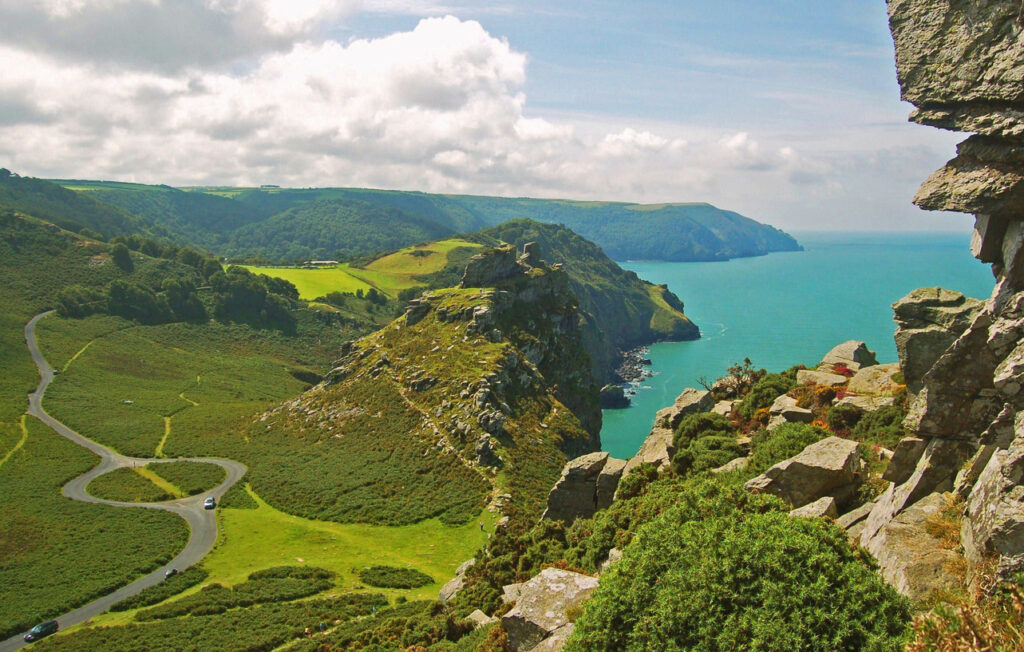
Us Devon locals see the north and the south as two separate regions.
Sure, they’re the same county, but the journey between some points is the same drive time as Devon to West London.
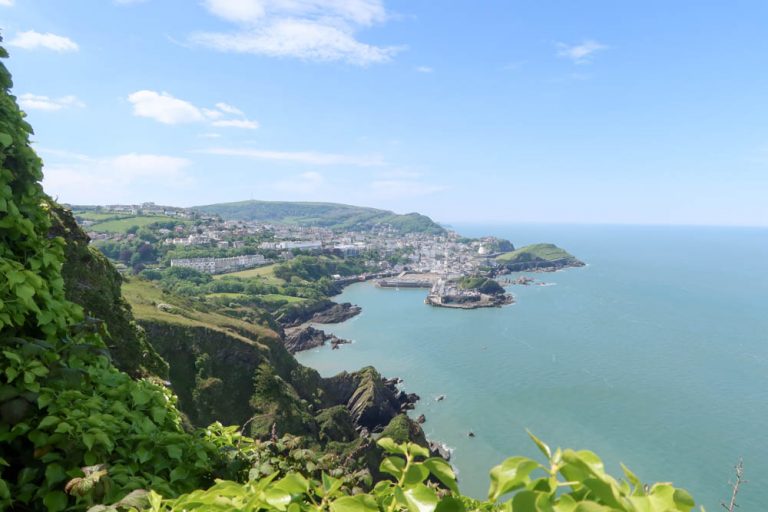
The drive between Ilfracombe and Salcombe takes two and a half hours, and that’s without factoring in summer traffic or winding rural roads!
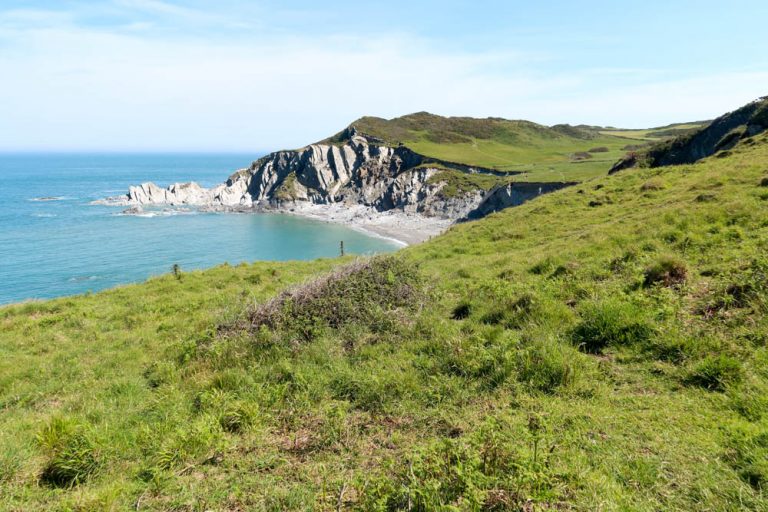
North and South Devon are both well worth visiting – each have distinct coastlines (dramatic and brooding in the north, larger beaches in the south), landscapes and atmospheres – so don’t try to see both in a rush. Stick to one and give yourself time to actually enjoy it!
Dartmoor, however, is accessible from both – but in itself it’s a huge park in the middle of the county. I’d recommend sticking to the corresponding side of Dartmoor, as well.
Don’t overcrowd fishing villages – consider towns as well
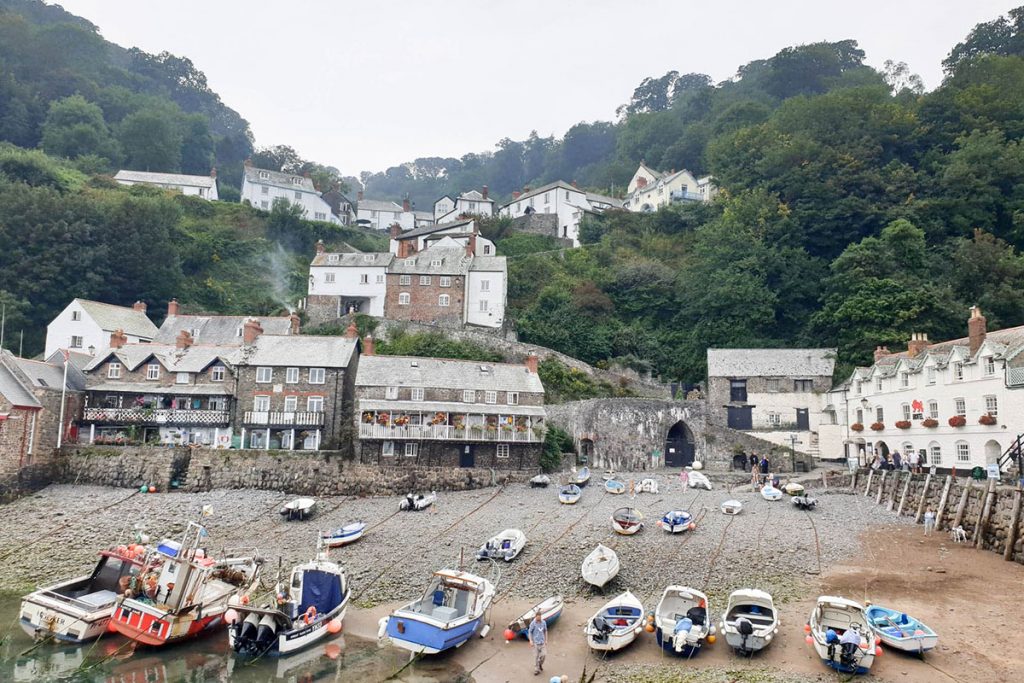
Places like Clovelly, Appledore and Beer can feel overwhelmed during peak season.
Rather than staying in the heart of a fishing village, look at nearby towns – like Bideford, Sidmouth, or Kingsbridge – where parking’s easier and accommodation is more affordable.
You can still visit the smaller spots without contributing to overcrowding. Buses aren’t the best in many parts of Devon, but they do exist and it’s doable to visit Devon’s fishing villages by bus if you know the secluded!
Do hike on the South West Coast Path, if you can
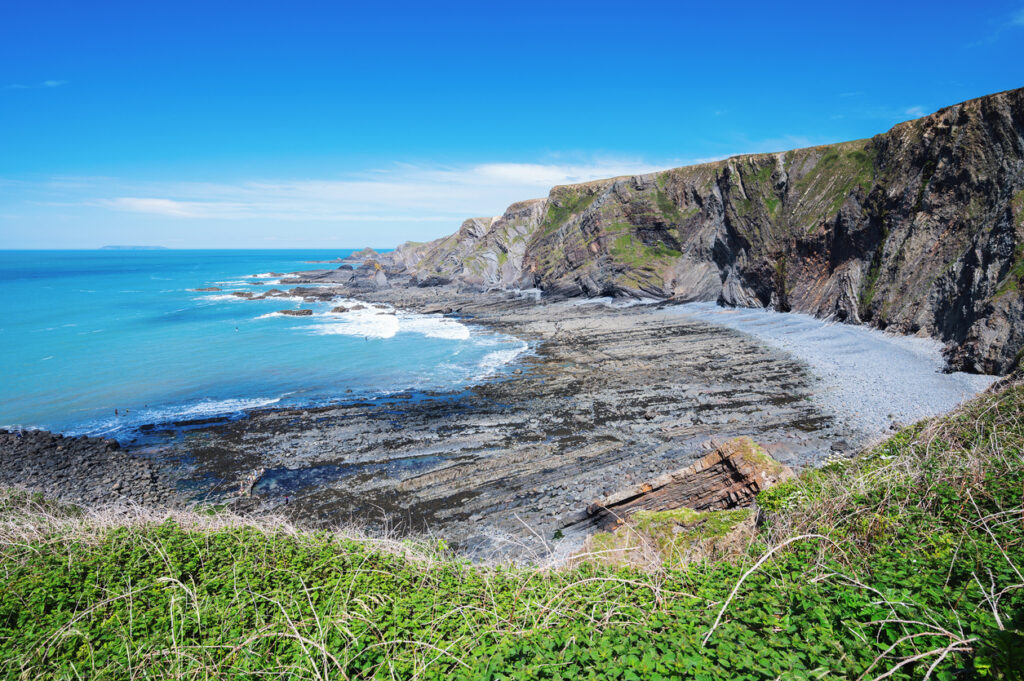
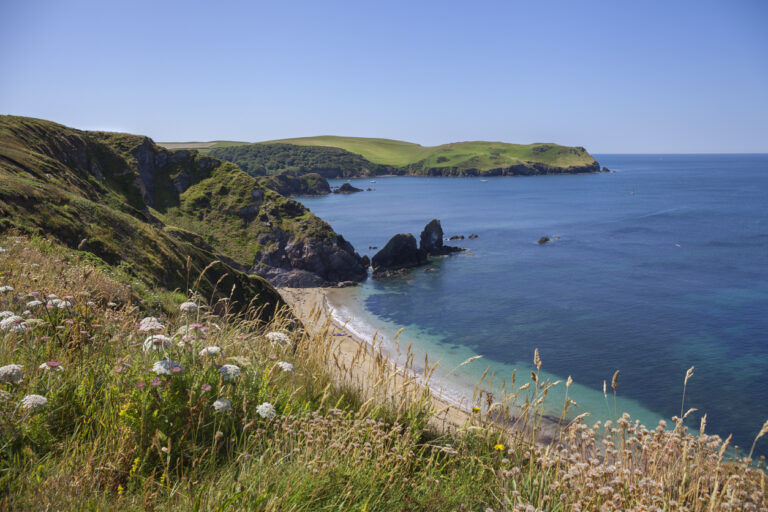
Devon’s best views are often only accessible on foot. The South West Coast Path cuts through wild headlands, hidden coves, and remote hamlets.
You can take a look at some of my favourite Devon walks here.
Even a short section, like from Branscombe to Beer or around Morte Point, gives you a glimpse of what makes this coastline so special.
Don’t rely on public transport in rural areas – services can be infrequent or nonexistent, especially on Sundays
As I mentioned earlier, our buses aren’t the best – especially in the more rural areas!
In remote parts of Devon, buses might run only a few times a day – or not at all outside school terms! On Sundays, whole routes disappear!
That said, there are some buses that run more regularly – usually ones connecting larger towns and/ or Exeter and Plymouth.
These include :
- 5 / 5A / 5B / 5C – Exeter to Crediton (every 20 minutes Mon–Sat), with extensions to Okehampton, Barnstaple and Chulmleigh
- 1 / 1A – Exeter to Cullompton and Tiverton via Broadclyst (frequent throughout the day)
- 2 – Exeter to Newton Abbot via Dawlish and Teignmouth (regular and well-used coastal service)
- 6A – Exeter to Okehampton, with some services continuing to Tavistock or Bude
- 7 – Exeter to Totnes via Newton Abbot and Ipplepen
- 9 / 9A – Exeter to Honiton or Seaton via Sidmouth (frequent service, especially between Exeter and Sidmouth)
- 57 / 58 / 358 – Exeter to Exmouth via Topsham, Lympstone and Budleigh Salterton (very frequent, every 15–20 minutes between Exeter and Exmouth)
- 21 / 21A – Barnstaple to Ilfracombe, Bideford, Appledore and Westward Ho! (high-frequency coastal route, running daily)
There are also rail connections in Exeter, Plymouth, Torquay, Paignton, Newton Abbot, Totnes, Dawlish, Teignmouth, Exmouth, Barnstaple and Okehampton (amongst other smaller places).
If you’re not driving, base yourself in these towns with rail connections and check bus timetables carefully before setting off.
Do book popular restaurants and attractions ahead in summer

Devon gets busy.
Spots like the River Exe Café, The Seahorse in Dartmouth, or even a vineyard tour on Dartmoor can sell out weeks in advance!
If there’s somewhere specific you want to eat or visit, especially in July and August, book it early.
Don’t swim at beaches without checking for riptide warnings
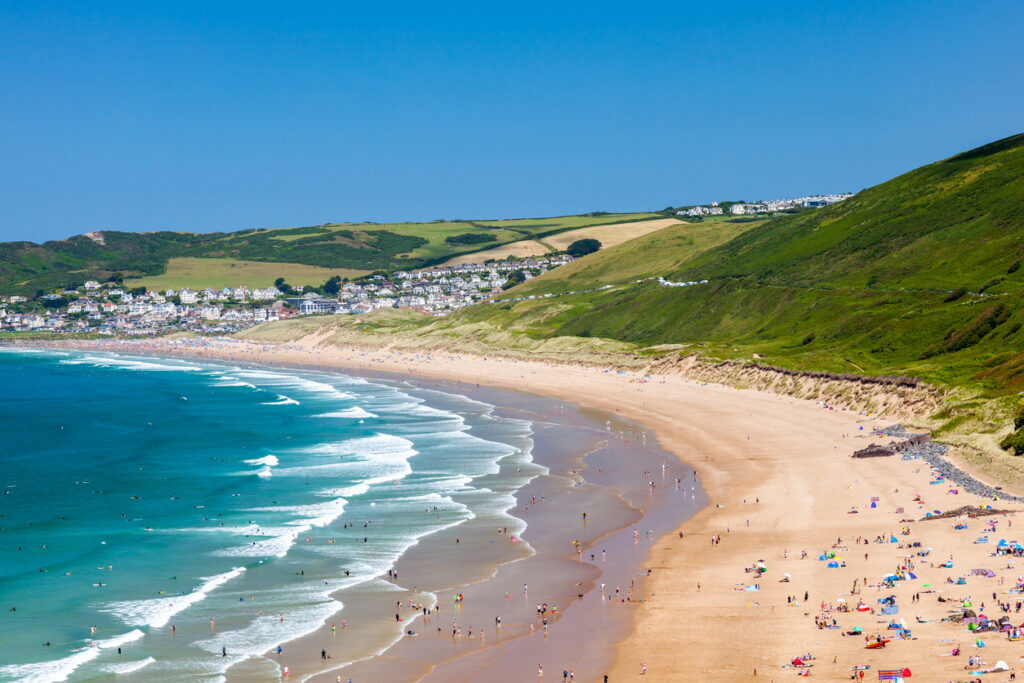
Some beaches in Devon look calm but can have powerful undercurrents. And it’s not just the wilder north coast! I live in Exmouth and swim there frequently, and it’s considered a safe beach to swim at, but I got caught in a current there last year (see RNLI advice for what to do if that happens here).
Always check for lifeguards and pay attention to the flags and signs. RNLI patrols many beaches in summer – swim between the red and yellow flags, and avoid entering the water if red flags are flying.
I wouldn’t recommend swimming alone and do research each new beach before you visit it to ensure it’s safe for bathing.
Do check tide times before visiting beaches like Bigbury or walking to Burgh Island
The tide comes in fast around South Devon’s estuaries and causeways.
If you’re heading to Burgh Island, you need to cross before the tide cuts off the route – otherwise, you’ll be stuck or need the sea tractor!
Check tide times in advance, and don’t risk getting stranded.
Don’t park in passing places on country lanes
Passing places are vital on Devon’s narrow rural roads.
They look like indentations into the hedge, and they’re not parking spaces. These roads are one-track, so they’re crucial for cars to pass each other.
Blocking one means tractors, delivery vans or even ambulances can’t get through.
Do support farm shops and honesty boxes
From punnets of strawberries to just-laid eggs, rural Devon is full of small-scale producers selling fresh food straight from the source.
Farm shops and honesty stalls are often better quality than supermarkets – and the money you spend goes directly back into the community.
It goes without saying, but do be honest when it comes to honesty boxes! They’re unmanned, but the Devonshire countryside is a trusting place!
Do leave enough time to explore Dartmoor properly

Dartmoor is huge.
The moor spans over 950 square kilometres of tors, ancient woodland and Bronze Age ruins. Walking trails can take hours, and driving times across the moor are slow.
Take a look at my full list of things to do in Dartmoor here.
Plan ahead, bring proper footwear and don’t underestimate how wild or remote it can feel.
Don’t forget about East Devon – towns like Budleigh Salterton, Beer, and Branscombe are quieter but just as scenic
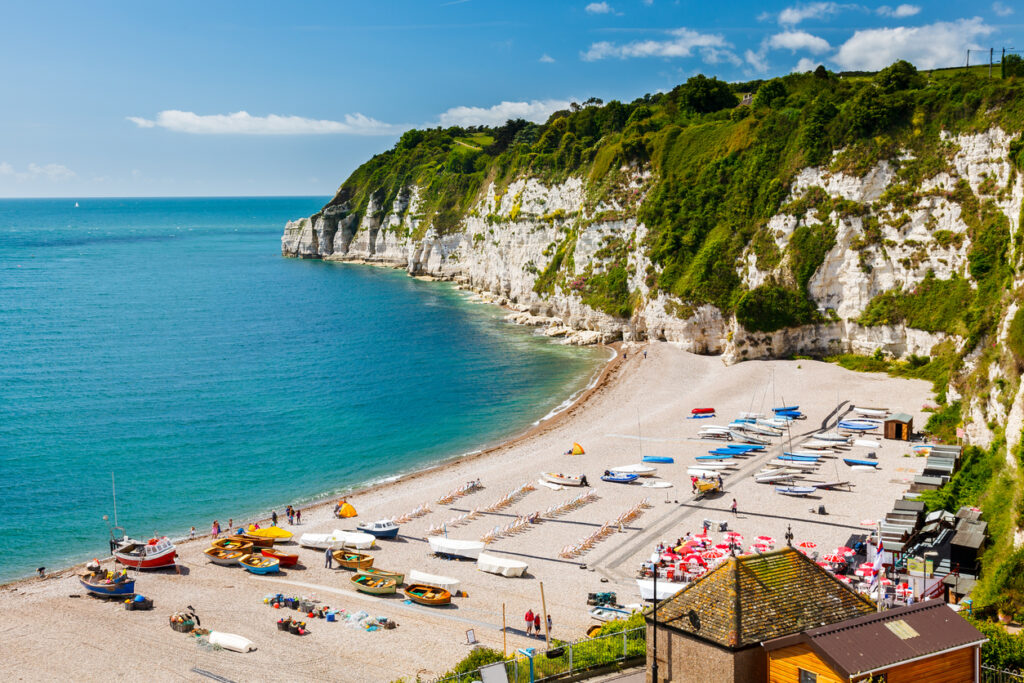
While many head west, East Devon has its own charm.
Budleigh’s long pebble beach, Beer’s fishing heritage, and Branscombe’s cliff walks are all worth your time.
They are still busy in the summer, but the fact that most beaches are pebbled usually keeps the surging crowds away!
Keep £1 coins or change for car parks – not all machines take cards, especially in more remote areas
Some rural and coastal car parks haven’t caught up with contactless payments quite yet – although this is becoming less common.
If you’re planning a beach day in the more remote spots, bring coins just in case!
And if you’re a National Trust member, remember your membership card, which can enable you to park for free in National Trust car parks.
Sticking around? See my full list of places to visit in Devon here.