Do you need a car for living in South West England?
The South West of England is one of the most desirable parts of the country to live in.
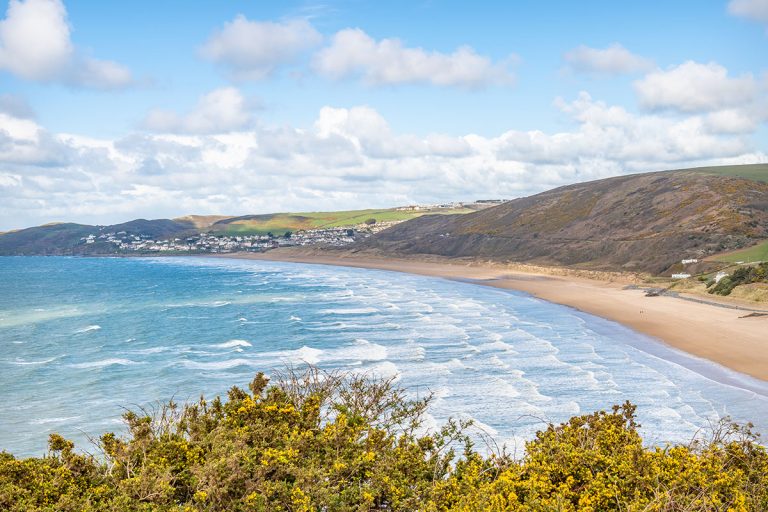
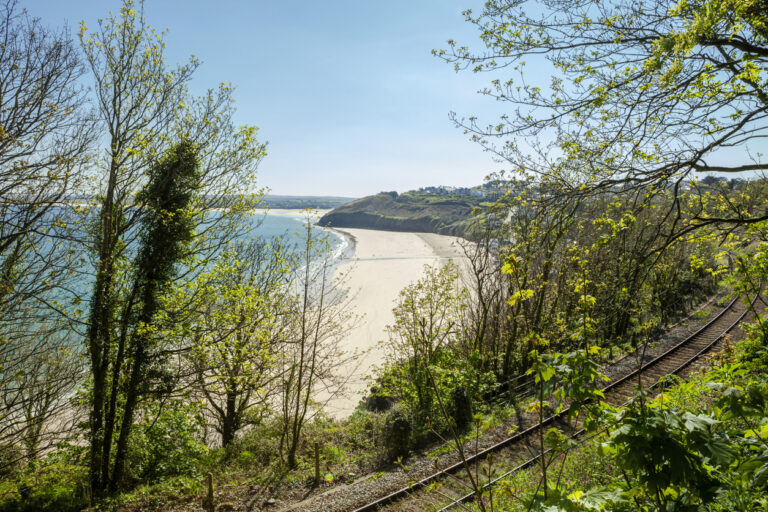
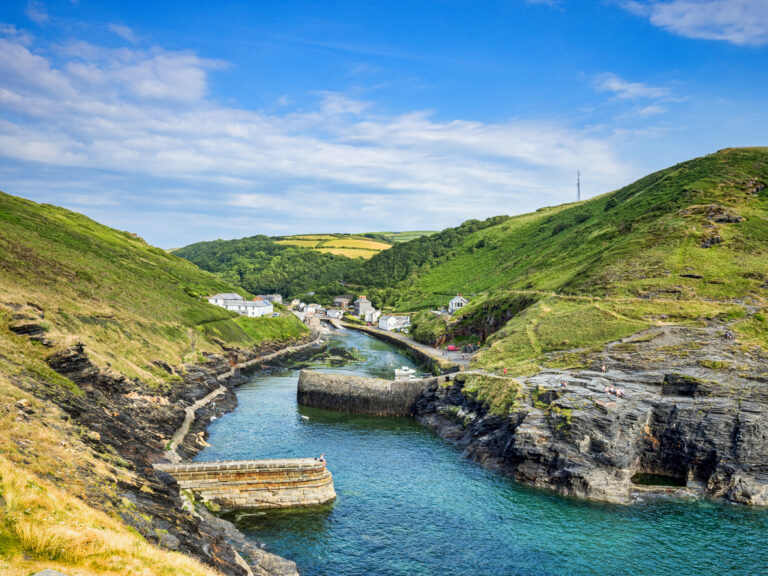
With Cornwall’s rugged coast and Devon’s moorland and beaches, it’s an area with stunning landscapes and a slower pace of life.
But one of the first questions people ask when moving here is whether they’ll need a car.
Unlike London or other major cities, public transport in the South West is patchy.
Trains and buses connect the bigger towns, but many villages have few services, and the winding rural roads make journeys slow.
Whether you can live here without a car depends very much on where you are based, your work situation, and how much travel you do day to day!
The cost of owning a car
Running a car is a big commitment wherever you live, but in the South West the costs can feel higher.
Fuel prices are often higher in rural petrol stations, and coastal towns charge heavily for parking.
Insurance can vary depending on how remote you are and regular long drives add to wear and tear.
If you don’t already own a car, buying one outright can feel like a huge outlay. That’s why many people turn to finance. PCP (Personal Contract Purchase) is one of the most common ways of spreading the cost.
You pay a deposit and manageable monthly instalments rather than covering the full value upfront.
At the end of the agreement you can return the car, swap it for another, or make a final balloon payment to keep it. Providers like Carplus specialise in this, and for people moving to the South West without a vehicle, it can be an accessible way to make car ownership possible.
Living in the cities

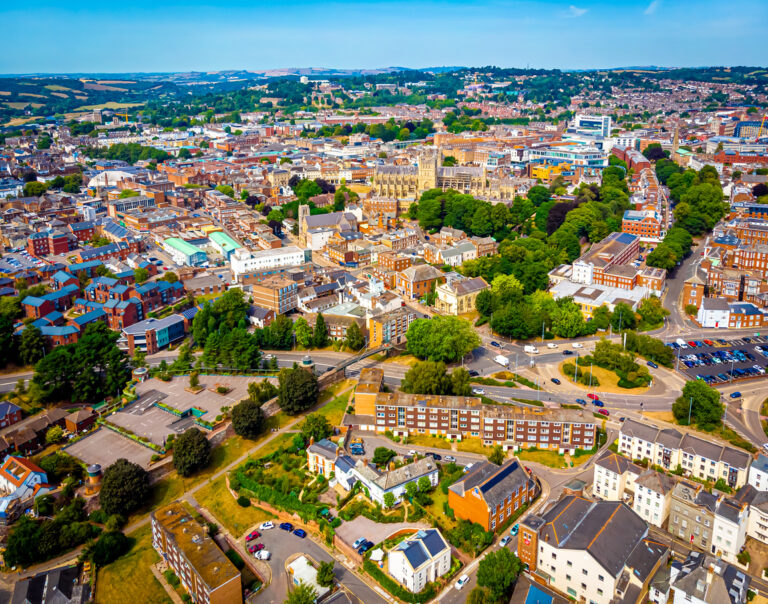
In cities such as Bristol, Exeter, Plymouth and Bath, a car isn’t essential. Public transport is more reliable, with bus networks and frequent trains connecting to other parts of the country.
In Bristol, you’ll find bike lanes and bus corridors that make commuting manageable without driving. Exeter’s city centre is compact enough to walk or cycle around, and Bath is well linked to Bristol and London by train.
Parking in these cities can also be difficult and expensive, which puts many residents off owning a car at all. If you live and work in the city centre, you might find you only occasionally need a car (for day trips or weekends away) rather than day-to-day life.
Life in towns

Medium-sized towns such as Taunton, Barnstaple, Exmouth, Dorchester and Truro sit somewhere in the middle. You’ll find train stations on main lines, and bus services that connect to surrounding villages.
However, buses don’t always run late into the evening or frequently on Sundays.
For families juggling work, school runs and after-school activities, a car becomes much more useful.
Even if you live in the town itself, trips to the supermarket, hospital or out to the countryside are easier by car.
Many residents in these towns manage with a single household vehicle, using it when needed and relying on trains or cycling for commuting when possible.
Rural living

It’s in villages and coastal communities where a car becomes close to essential.
Services are limited, and buses are often infrequent, sometimes only once or twice a day. In the winter, routes are cut back further, leaving many communities without realistic alternatives to driving.
For people in parts of Dartmoor, Exmoor or rural Cornwall, even simple tasks like shopping or attending a hospital appointment involve long journeys.
Public transport may not connect to the nearest station at convenient times, and without a car you may end up relying on expensive taxis or lifts from neighbours!
Public transport: where it works and where it doesn’t

- Great Western Railway (GWR) mainline – runs from London Paddington through Exeter, Plymouth, and on to Penzance.
- St Ives branch line – from St Erth to St Ives, one of the most scenic railways in the UK.
- Falmouth branch line – from Truro to Falmouth Docks, linking the city with the university and port.
- Exmouth branch line – from Exeter to Exmouth, connecting the city with the Jurassic Coast.
- Barnstaple branch line (Tarka Line) – from Exeter to Barnstaple, through mid-Devon countryside.
- Cornwall’s seasonal bus services – including the Atlantic Coaster and Land’s End Coaster routes.
- Devon’s seasonal buses – services such as the Jurassic Coast buses linking Exeter, Sidmouth, Seaton, and Lyme Regis.
- City bus networks – frequent services in Bristol, Exeter, Plymouth, Bath, and Truro.
Final thoughts
So, do you need a car to live in the South West? In cities like Bristol or Exeter, you can manage without one, especially if you live centrally and rely on trains and buses for longer journeys. In towns, a car is often useful, and in villages or on the coast, it’s practically essential.