Can you wild camp on Dartmoor?
Backpack camping on Dartmoor is one of the most memorable ways to experience the national park. Spending a night on the open moor, watching the sunset over the tors and waking up far from roads and towns – this should be right at the top of your Devon bucket list.
However, backpack camping comes with strict rules. You can’t simply pitch a tent anywhere on Dartmoor, and activities that are common at campsites – such as campfires or vehicle camping – aren’t permitted.
Before planning a trip, it’s important to understand where you can camp, what equipment you’ll need and how to minimise your impact on the moor.
What is backpack camping?
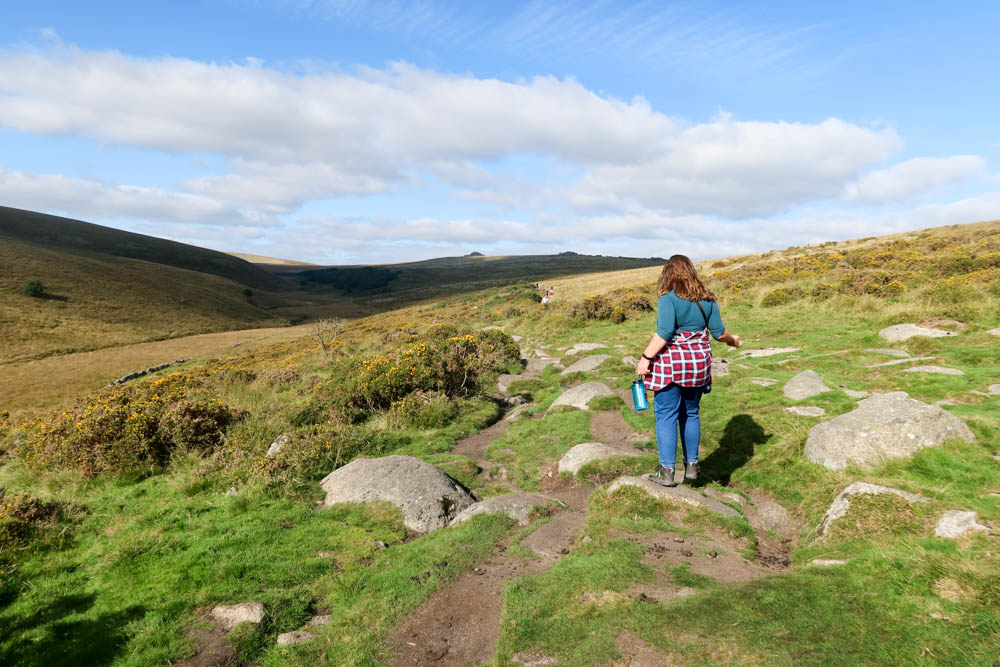
Backpack camping is a form of wild camping where you carry all your camping equipment on your back as part of a walking expedition.
Unlike a traditional campsite holiday, backpack camping is intended for people travelling through the landscape on foot. You’ll need to carry your tent, sleeping bag, food, water and other equipment with you.
On Dartmoor, backpack camping is only intended for short stays of one or two nights as part of a longer walk. It isn’t designed for large groups, family camping trips or people looking to establish a base for several days.
The emphasis is on travelling lightly and leaving no trace of your visit.
Where can you backpack camp on Dartmoor?

One of the biggest mistakes people make is assuming that backpack camping is allowed across the whole national park.
In reality, camping is only permitted in specific areas. Before setting off, you’ll need to check the official Dartmoor backpack camping map, which shows exactly where camping is allowed.
The designated areas are generally located on open moorland away from settlements and roads. They are chosen because they can accommodate low-impact camping while protecting wildlife, farming activities and sensitive habitats.
The map changes from time to time, so it’s worth checking it before every trip, even if you’ve camped on Dartmoor before.
Following the Dartmoor backpack camping code
The Dartmoor National Park Authority asks campers to follow three simple principles: travel light, stay out of sight and tread lightly.
Travel light
Everything you bring should fit inside a backpack that you can comfortably carry.
Backpack camping is designed for walkers, not people transporting equipment by vehicle. Lightweight tents, compact sleeping bags and minimal gear are all part of the experience.
Camping is intended for one or two nights only before moving on.
Stay out of sight
Your tent should be pitched well away from roads, buildings and settlements.
Small tents are preferred because they blend more naturally into the landscape and have less visual impact on other visitors.
Groups should consist of no more than six people.
Tread lightly
Dartmoor’s moorland environment is fragile, and even a small amount of damage can take years to recover.
Take all rubbish home with you. Do not leave food waste behind, even if it appears biodegradable.
Open fires and disposable barbecues are not permitted. The risk of wildfire can be significant, particularly during dry weather. Bring some outdoor cooking equipment instead.
Human waste should be buried beneath at least 15cm of turf, well away from watercourses.
Streams and rivers should be kept clean, and washing products should never be used directly in water sources.
Military firing ranges on Dartmoor
Parts of Dartmoor are used by the military for training exercises, including live firing.
The main ranges are located around Okehampton, Merrivale and Willsworthy. Access is often available when firing is not taking place, but restrictions apply when the ranges are active.
Before planning a backpack camping trip, check the firing times published by the Ministry of Defence. Red flags and red lamps indicate that firing is taking place and the range is closed to the public.
Never enter a range area when warning signals are displayed, and always follow any instructions on signs or notices.
Wildlife and seasonal restrictions

Extra care is needed between 1 March and 31 July, when many birds nest on the ground across Dartmoor.
Some species are extremely vulnerable to disturbance, and even a brief encounter can cause birds to abandon their nests.
This is also an important time for livestock on the moor, with lambing taking place in many areas.
If you’re visiting during spring or early summer, keep noise to a minimum, stick to established paths where possible and avoid areas marked as sensitive wildlife sites.
Essential equipment for backpack camping on Dartmoor
Conditions on Dartmoor can change quickly, even during summer.
A waterproof tent, warm sleeping bag and suitable sleeping mat are essential. Weather forecasts should always be checked before setting out, but you should still prepare for rain, wind and colder temperatures overnight.
Navigation equipment is equally important. Mist can descend rapidly across the moor, making landmarks difficult to identify.
Many experienced backpack campers carry both a paper map and a GPS device or mapping app.
You’ll also need enough food and water for your trip, along with a trowel for waste disposal and a basic first aid kit.
What isn’t allowed?
Backpack camping is very different from staying at a campsite.
Large family tents aren’t permitted, and neither are large organised groups.
Campervans, motorhomes and overnight vehicle stays are also prohibited. While you can stop in a lay-by to enjoy the view, sleeping overnight in a vehicle is not allowed under Dartmoor National Park byelaws.
Campfires and barbecues are also banned throughout backpack camping areas.
Alternatives to backpack camping
If carrying all your equipment across the moor doesn’t appeal, Dartmoor has plenty of other accommodation options.
The national park has traditional campsites, small farm campsites, camping barns, bunkhouses and hostels. There are also glamping pods and huts in various locations around the moor.
These options are often a better choice if you’d prefer access to toilets, showers, bins and other facilities during your stay.
FAQs
Is wild camping legal on Dartmoor?
Backpack camping is permitted in designated areas of Dartmoor without needing permission from the landowner. You must check the official backpack camping map before your trip, as camping isn’t allowed everywhere within the national park.
Can I camp anywhere on Dartmoor?
No. Camping is only allowed in specific areas shown on the official Dartmoor backpack camping map. Camping outside these areas may require landowner permission or may not be permitted at all.
Can I sleep in a campervan on Dartmoor?
No. Overnight sleeping in vehicles, campervans and motorhomes is not permitted on roadsides or in car parks within Dartmoor National Park. You’ll need to use a campsite that accepts motorhomes.
Can I have a campfire?
No. Open fires and barbecues are not allowed in backpack camping areas. These can damage the moorland and increase the risk of wildfires.
How many people can camp together?
Groups should consist of no more than six people. Larger groups should use a designated campsite instead.
How long can I stay?
Backpack camping is intended for short stays of one or two nights as part of a walking expedition across the moor.