10 tips for renting a holiday property in South West England
If you’re visiting Devon or Cornwall this summer, you might be considering renting a cottage or other self-catering accommodation. For many, it’s the best way to stay in this part of the UK.
But there are some important things to know before renting a holiday property in the South West. Let’s get into them!
1. Avoid Airbnb and use local holiday rental companies
You’ll see plenty of listings on platforms like Airbnb, but across much of Cornwall, Devon and Dorset, these are often second homes sitting empty for large parts of the year. This has a real impact on local communities, from rising house prices to fewer long-term rentals for residents.
Instead, look at established regional agencies. These tend to work more closely with local owners and often manage properties that are actively maintained and regulated. You’ll also get clearer terms, better support if something goes wrong, and more consistency in standards.
Local agencies also vet properties in person, which matters in rural areas where access, heating systems or even water pressure can vary. If you’re planning a longer stay or travelling outside peak summer, this becomes even more important!
2. Check for existing issues as soon as you arrive
Walk straight through the property when you check in. Don’t leave it until later. Look closely at areas that are easy to overlook, especially bathrooms and kitchens.
Check shower sealant (properties should have quality shower seals from a UK specialist), taps, any signs of leaks, marks on walls, or damage to furniture. In coastal properties, damp and wear can build up quickly, so even small issues can develop during your stay.
Take photos of anything that doesn’t look right and send them to the owner or agency immediately. This protects you if there’s a dispute later and also gives them a chance to fix it early.
It also saves your time. If something like a faulty shower becomes unusable halfway through your stay, you don’t want to be dealing with it then!
3. Read the house rules properly before booking

Every property runs differently, especially in rural or coastal areas. You need to know exactly what you’re agreeing to before you arrive.
Check rules around dogs, parking, noise, recycling and heating. Some cottages don’t allow pets at all, while others limit numbers or charge extra. In small villages or farm locations, there may also be strict guidelines around noise or access roads.
Heating is another one to watch. Some places use oil or electric systems with timers, and you might be expected to manage it yourself. That can catch people out in colder months.
Reading everything in advance avoids awkward situations on arrival and stops you booking somewhere that doesn’t actually suit your plans!
4. Look closely at the location, not just the photos
Photos rarely show what’s around the property.
Check how close you are to the coast path, nearest town, supermarkets and main roads. A cottage that looks remote might involve 20 minutes of driving down narrow lanes every time you want to go anywhere!
Use a map view and look at satellite imagery. You’ll spot things like nearby farms, caravan parks or main roads that aren’t obvious in listing photos.
If you’re relying on public transport, double check bus or train access. Many rural areas have very limited services, especially outside summer.
5. Understand parking and access before arrival
Parking can be a real issue in coastal towns and villages. Don’t assume it’s straightforward just because it’s not a city!
Some cottages only have on-street parking, which might mean competing for spaces during busy periods. Others have tight driveways or access via narrow lanes that aren’t ideal for larger cars.
Check the listing details carefully and, if needed, ask the owner for clarification. In places like St Ives or Salcombe, parking restrictions are strict and fines are common.
If you’re arriving late, knowing exactly where to park saves a lot of stress!
6. Check what’s actually included inside the property
Don’t assume basics are covered. Holiday homes vary a lot.
Some include essentials like towels, toiletries, cooking oil, salt and cleaning supplies. Others expect you to bring or buy everything yourself.
WiFi strength can also vary, especially in rural areas. If you need to work, check reviews for real-world experiences rather than relying on the listing description.
Heating costs, logs for wood burners and electricity usage can sometimes be extra too. It’s worth knowing upfront.
7. Read recent reviews, not just the overall rating
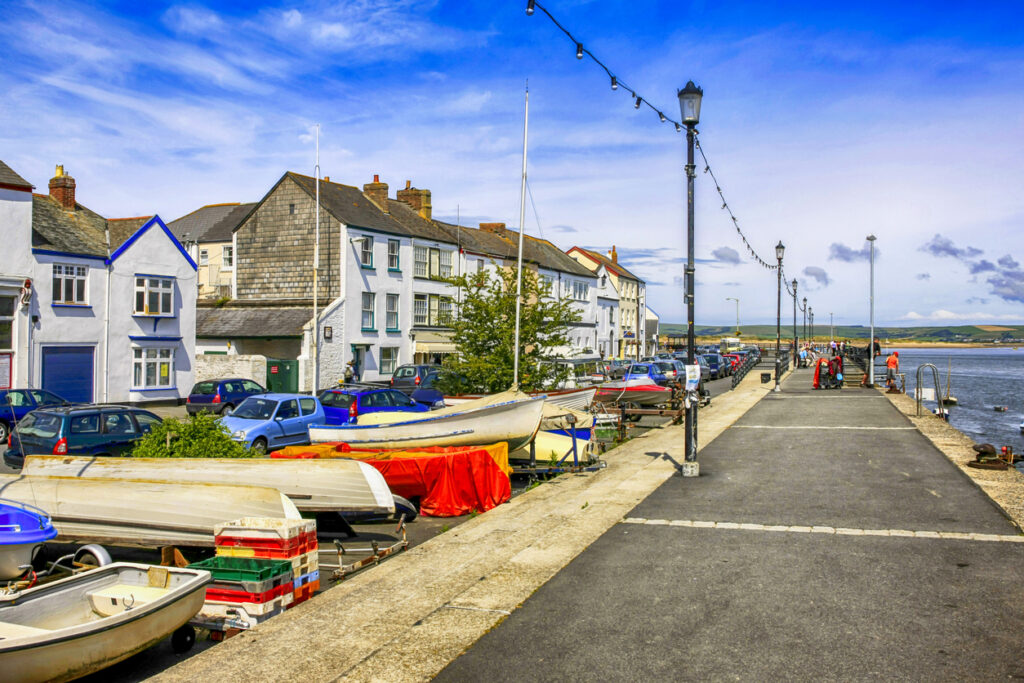
A high rating doesn’t tell the full story. Focus on the most recent reviews.
Look for patterns. If multiple guests mention the same issue, such as poor cleanliness or unreliable heating, it’s likely still a problem.
Also pay attention to how the owner or agency responds. Quick, helpful responses suggest issues get resolved. Silence or defensive replies usually signal the opposite.
This gives you a clearer picture of what your stay will actually be like.
8. Be realistic about rural conditions
Many South West properties sit in the countryside or on the edge of small villages. That comes with quirks.
You might encounter slower internet, limited mobile signal, narrow roads, or even livestock nearby. In older cottages, floors can be uneven and ceilings low.
Plan ahead with offline maps, downloaded directions and any essentials you might need.
9. Book early for peak seasons
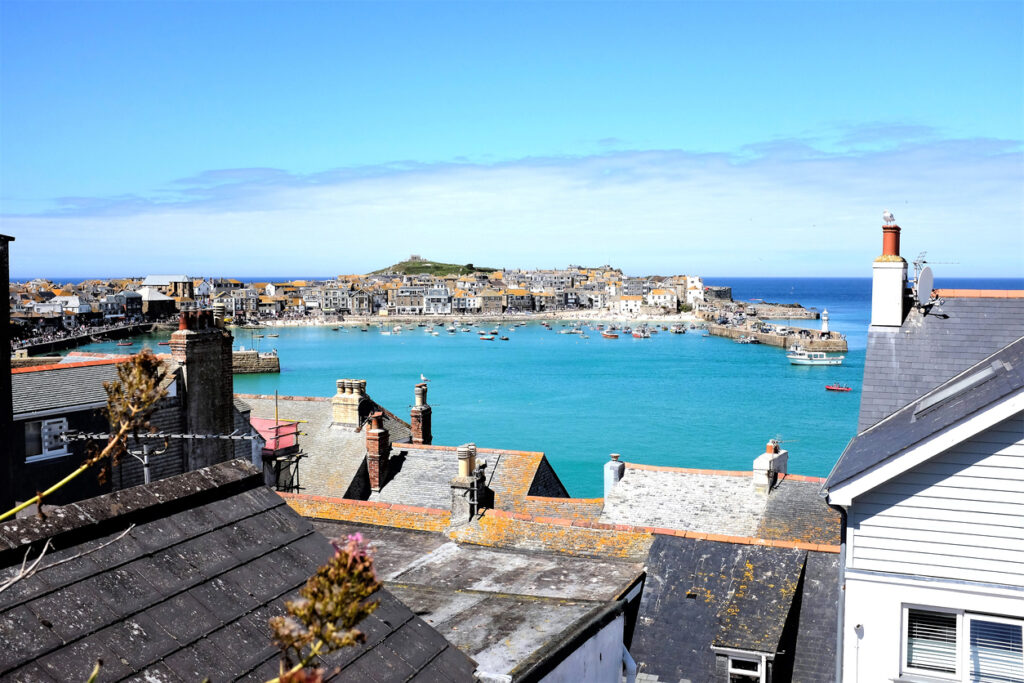
Summer, school holidays and bank holiday weekends book up quickly across Devon and Cornwall.
If you’re targeting a specific area or property, aim to secure it several months in advance. The best locations, especially coastal cottages within walking distance of the beach, go first.
Leaving it late usually means higher prices or limited choice. You may end up further inland or compromising on quality.
Outside peak season, you’ll have far more flexibility and often better value.
10. Check cancellation and refund policies carefully
Plans change, and you don’t want to lose money unnecessarily.
Different properties and agencies have very different policies. Some allow free cancellation within a certain window, while others are strict from the moment you book.
Look at the exact terms before confirming. If you’re booking far in advance, flexibility becomes more important.
Travel insurance can also help cover unexpected changes, especially for longer or more expensive stays.