Is Bath Worth Visiting? My thoughts & when I’d avoid
If you’re exploring the UK, you may be wondering; is Bath worth visiting? It’s an iconic city with Georgian architecture and centuries of history – so yes, it is worth adding to your England itinerary. However, there are a few things you need to know before planning a trip…
I moved to Bath when I was 22 years old, straight out of university (prior to that I lived in Bristol for four years).
I spent the year I lived in Bath exploring its architecture and history – making full use of my residents pass to see attractions like the Roman Baths for free. While this was over 10 years ago now, I’ve visited a few more times in my more recent travels around Somerset and the city hasn’t changed much!
One of the best places to visit in South West England, Bath is renowned for its ancient Roman history, Medieval abbey, Jane Austen connections and Bridgerton filming links.
But is all the hype worth it? Should you visit Bath? Let’s delve into all the nuances of Bath!
Reasons to visit Bath
There are so many things to do in Bath – I have a full list here – but here are my key reasons to visit this gorgeous Somerset city.
1. The Roman Origins
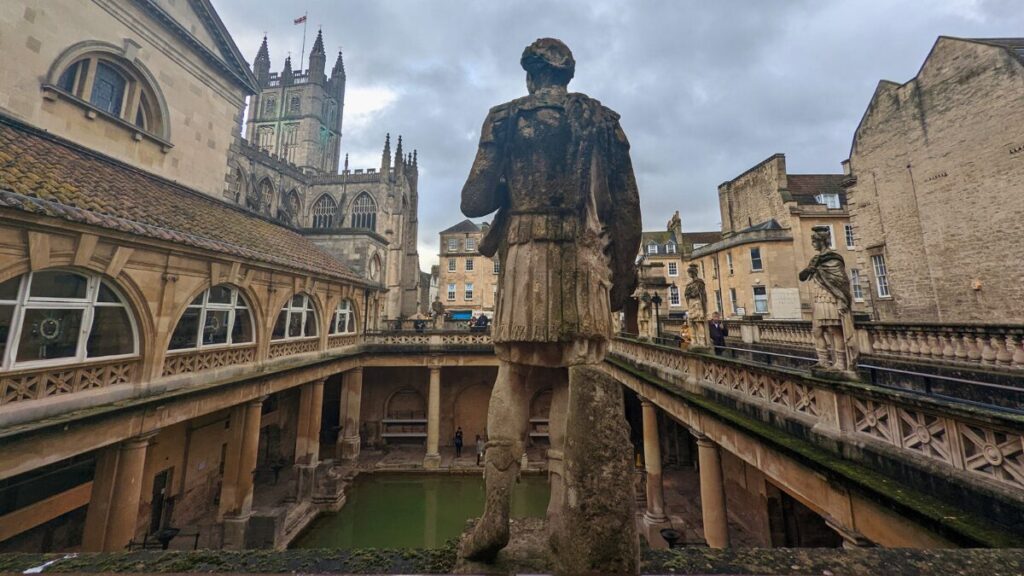
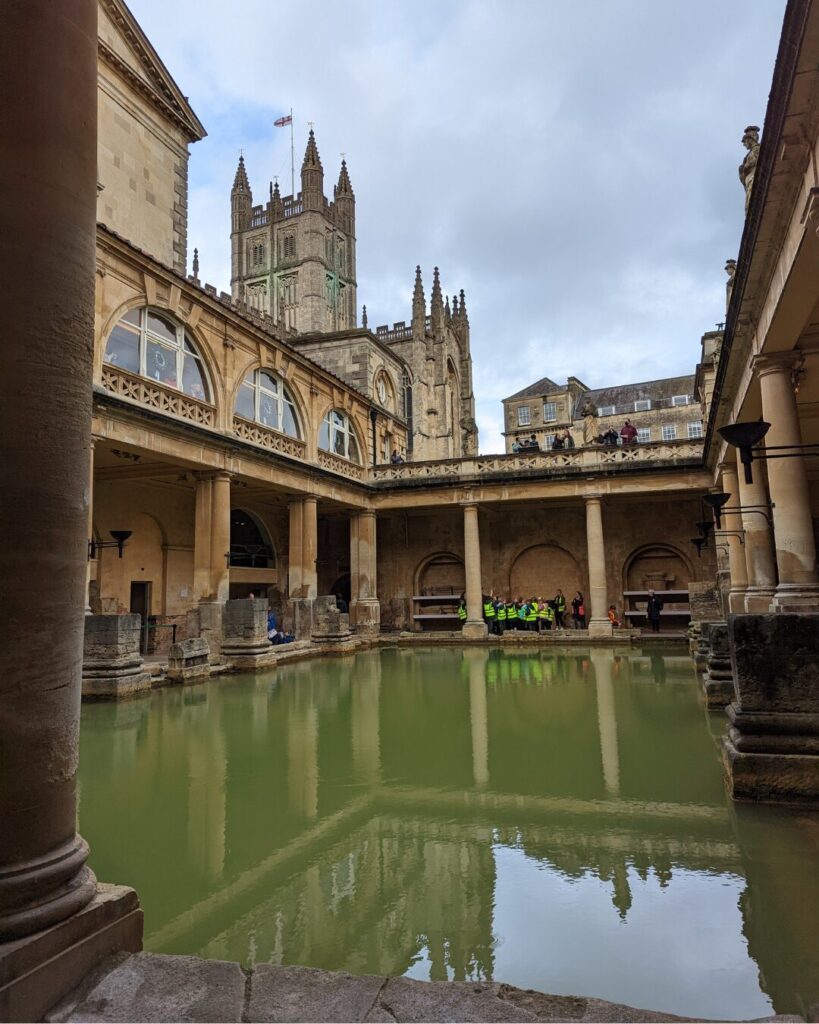
Bath’s history stretches back to (and beyond) the Romans. While Celtic tribes in the area used Bath’s thermal waters before the Roman invasion, it was the Romans who built a spa complex and established the city of Bath.
Nowadays, you can learn about this history in the Roman Baths in the city centre, which is part museum, part very well preserved Roman ruin. When I last went, there was an audio commentary from Bill Bryson (one of my favourite travel writers) – I’ve seen conflicting information about whether this is still the case, so please drop me a message if you’ve been there recently!
2. The Architecture
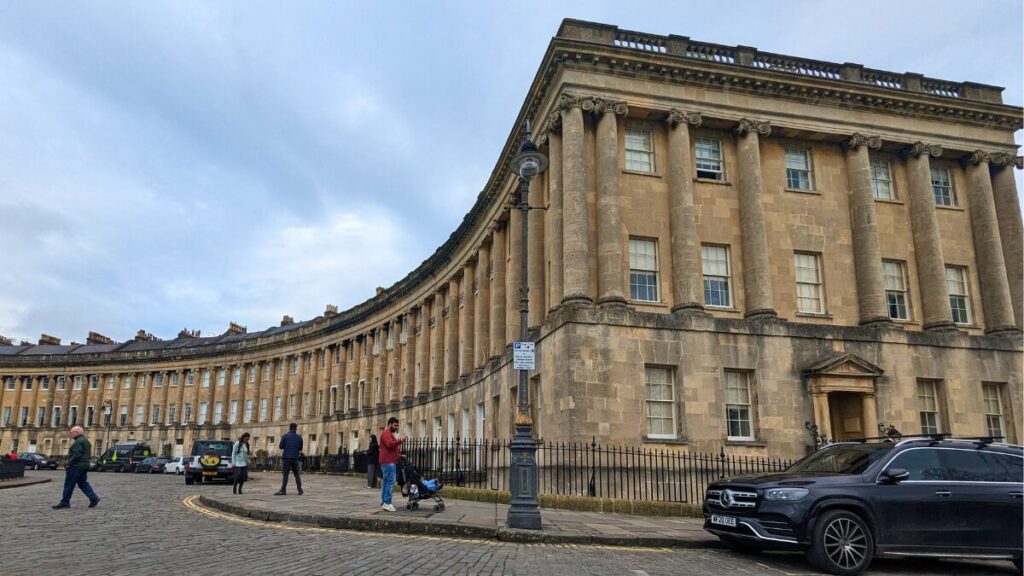
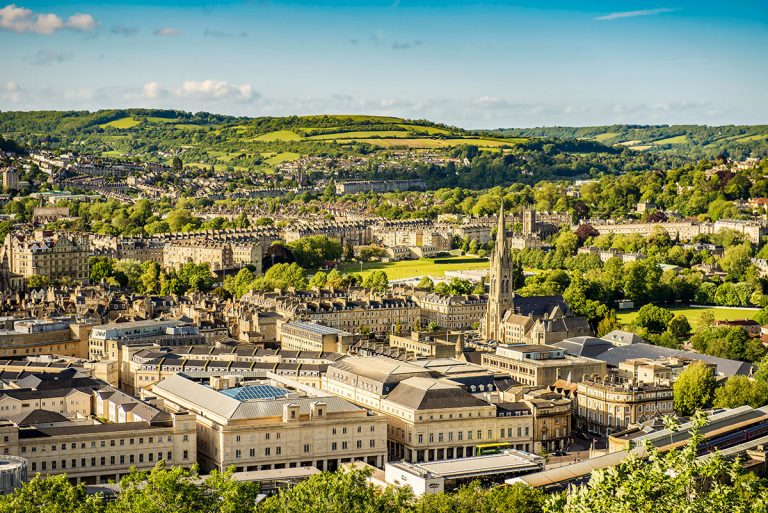
Probably the biggest reason that tourists flock to Bath is the incredible Georgian architecture.
The city “boomed” in the Georgian period, becoming an esteemed location to live outside of London.
Because this area was never hugely built up during the Industrial Revolution, much of the historic buildings remained. It was targeted in Hitler’s Baedecker Blitz (when he bombed cities that had a particular cultural significance to the UK), but it wasn’t as badly hit as Exeter.
This has all resulted in part of the city feeling like it’s stuck in a time warp. The entire centre is UNESCO listed, and it unsurprisingly is an in-demand filming location for period dramas – in recent years, Bridgerton has once again put Bath on the map.
You’ll find beautiful historic buildings everywhere in Bath, but some of my favourites are:
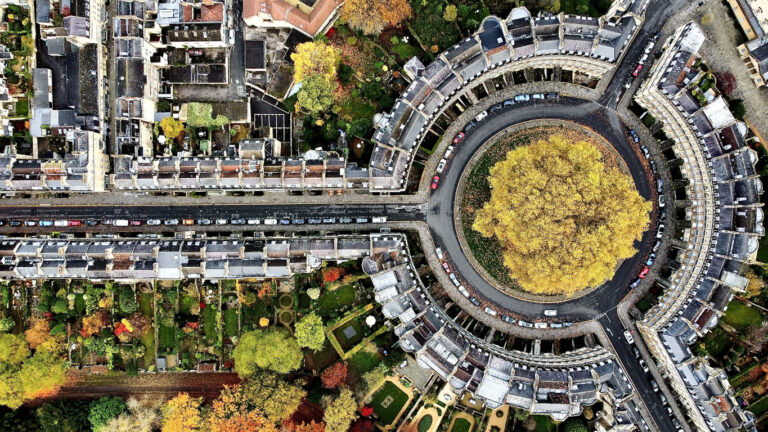
- The Circus: this is a circular terrace of houses
- The Crescent: this is the most famous crescent in Bath and features in Bridgerton!
- Camden Crescent: this is a bit out of the city and isn’t really visited by tourists. I used to park my car here!
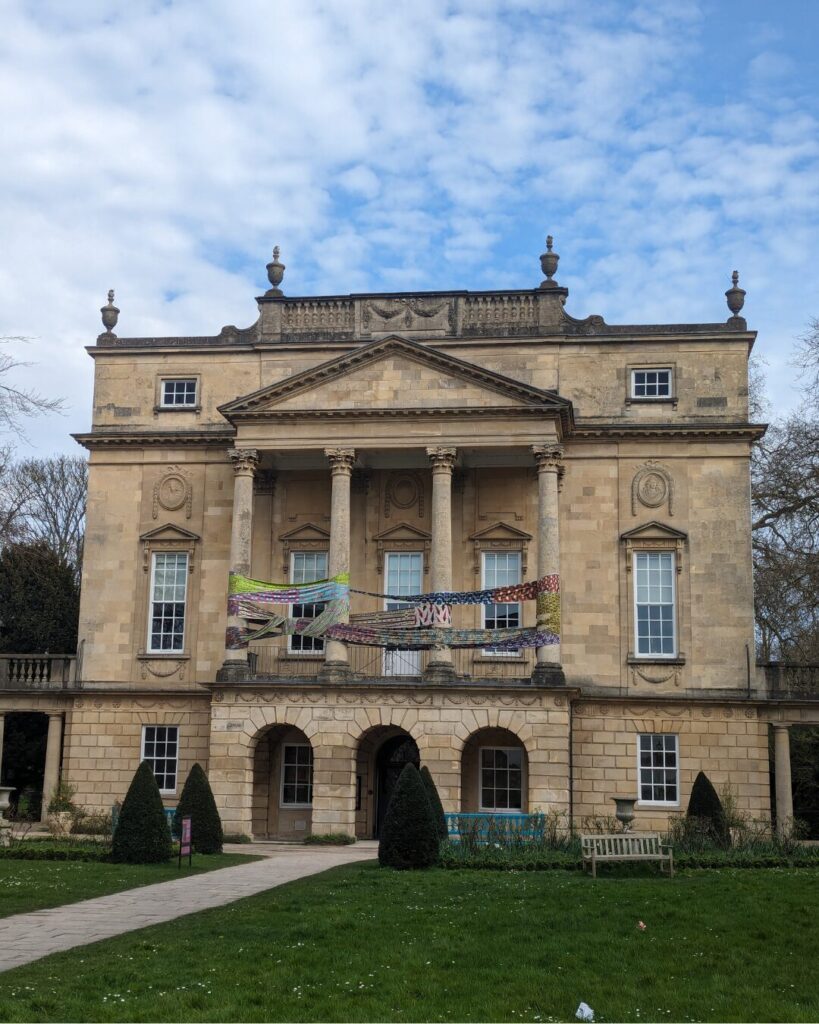
- The Holborne Museum: This also features in Bridgerton as Lady Danbury’s house.
3. The Filming Locations
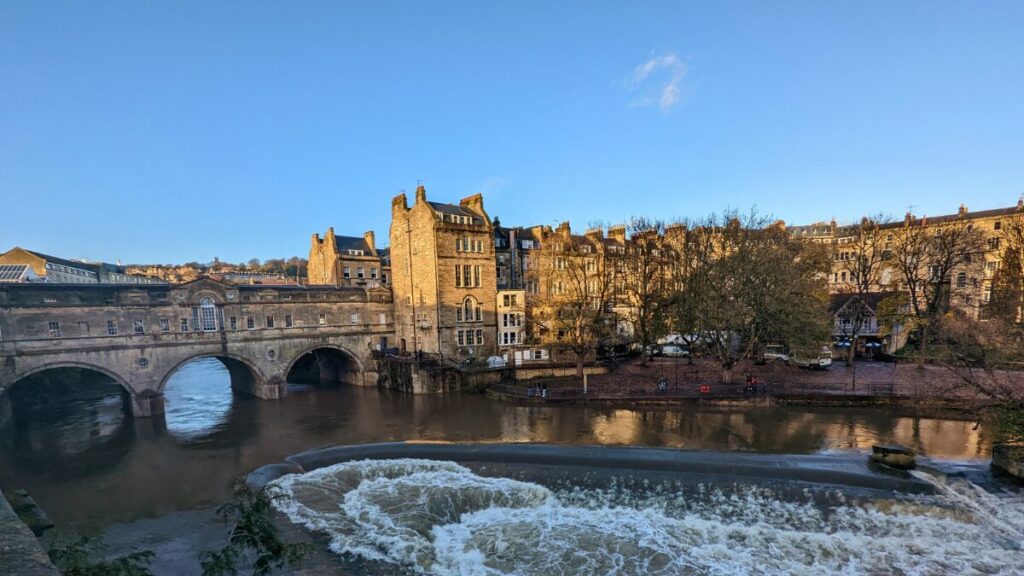
If you’ve ever wanted to feel like you’re in an English period drama, Bath is your place!
These days Bridgerton does dominate – you can do guided or self-guided Bridgerton tours – but Jane Austen tours are also popular.
If you’ve watched a lot of period dramas or films, you’ll notice various scenes from different productions as you walk around!
4. Bath Abbey
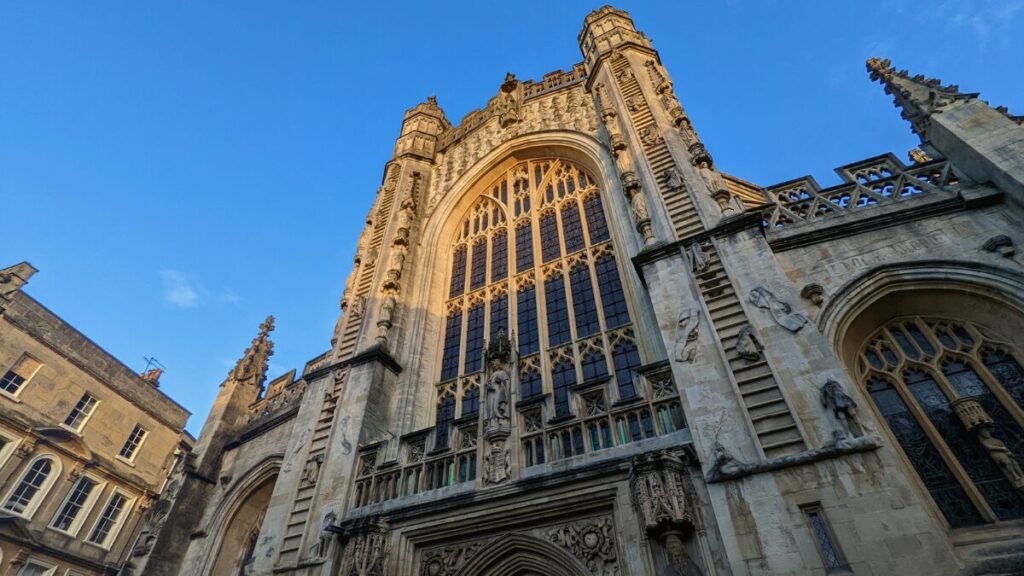
Bath Abbey is sometimes overshadowed by the city’s Georgian architecture, but it is well worth a visit to Bath in its own right.
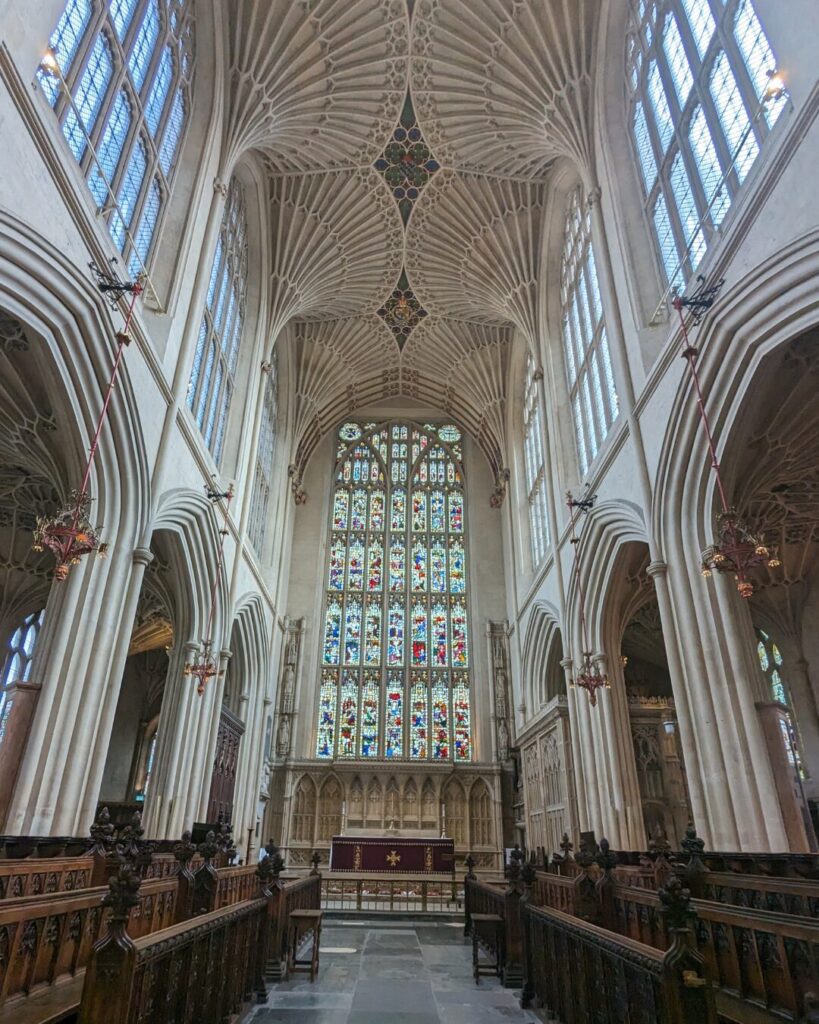
Bath Abbey was actually where the first king of all of England (Edgar) was crowned. It was a Saxon Convent initially, but then became a Norman Church from 1066 (after the Battle of Hastings). It became dilapidated over the centuries, but the Abbey we see today was redesigned in 1499, after a Bishop named Oliver King dreamt he should be the one to restore the abbey.
Nowadays, it’s one of the grandest religious buildings in the country. I recommend doing a tower tour to learn all about its inner workings (and get a fantastic view at the top!).
See more Bath Abbey facts here!
5. Hotels and places to relax
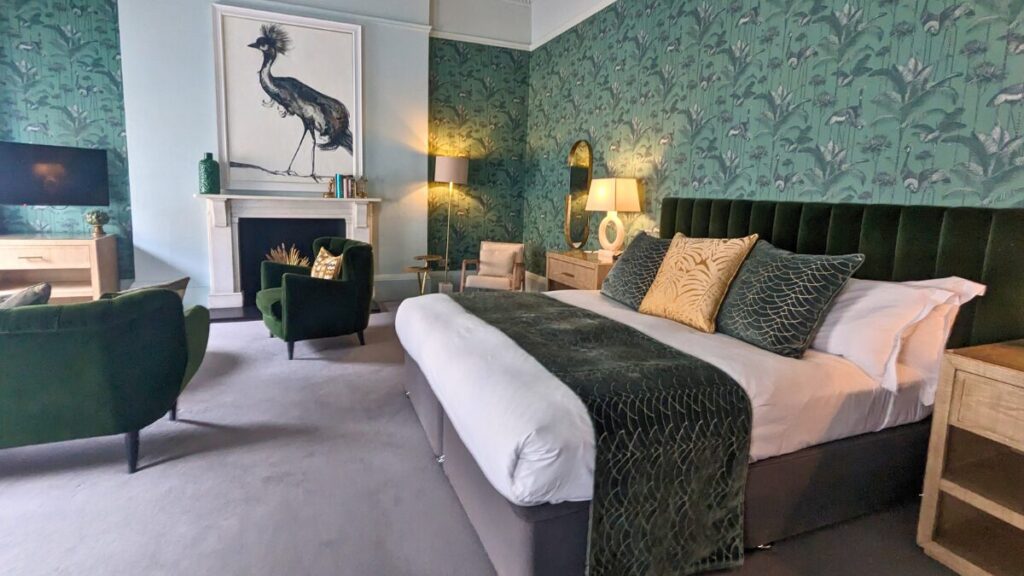
Bath is a glorious relaxing break, with six luxury hotels, a Michelin star restaurant and a glorious spa with a rooftop pool.
The top hotels in Bath include (click on the names to learn more about them):
- The Gainsborough Bath Spa: This is the only hotel in the UK with a natural thermal spa within its walls; I’ve never stayed here but it’s so high on my bucket list!
- The Royal Crescent Hotel & Spa: Most of the Royal Crescent is this hotel; you’ll really feel like you’re living in Bridgerton if you’re staying here!
- The Bath Priory: This is an estate-style hotel with expansive grounds, just out of the city centre.
- Macdonald Bath Spa Hotel: I’ve always LOVED this hotel, it’s a 19th century manor house set within vast grounds.
- The Queensberry Hotel: This is a luxury 4 AA Red-Star boutique hotel spread across four townhouses; the bedrooms here have REAL Bridgerton vibes! I was lucky to stay here a couple of years ago – you can see my full blog post on it here.
For dining, Olive Tree Restaurant is Bath’s only Michelin-star eatery, and its within the Queensberry Hotel.
I ate here when I stayed at the Queensberry Hotel and had the vegetarian nine course tasting menu. The offering changes seasonally, but the ravioli I had was amongst the best I’d ever tried (and I’ve spent a lot of time in Italy!).
And finally, a spa! While some of the hotels above have their own spas, I’d also recommend a trip to Bath Thermae Spa.
It has a swimming pool, a collection of steam rooms and a heated rooftop swimming pool, which was toasty even when I was there in February! From the rooftop, you can see Bath Abbey and the rest of the city centre.
6. Surrounding nature
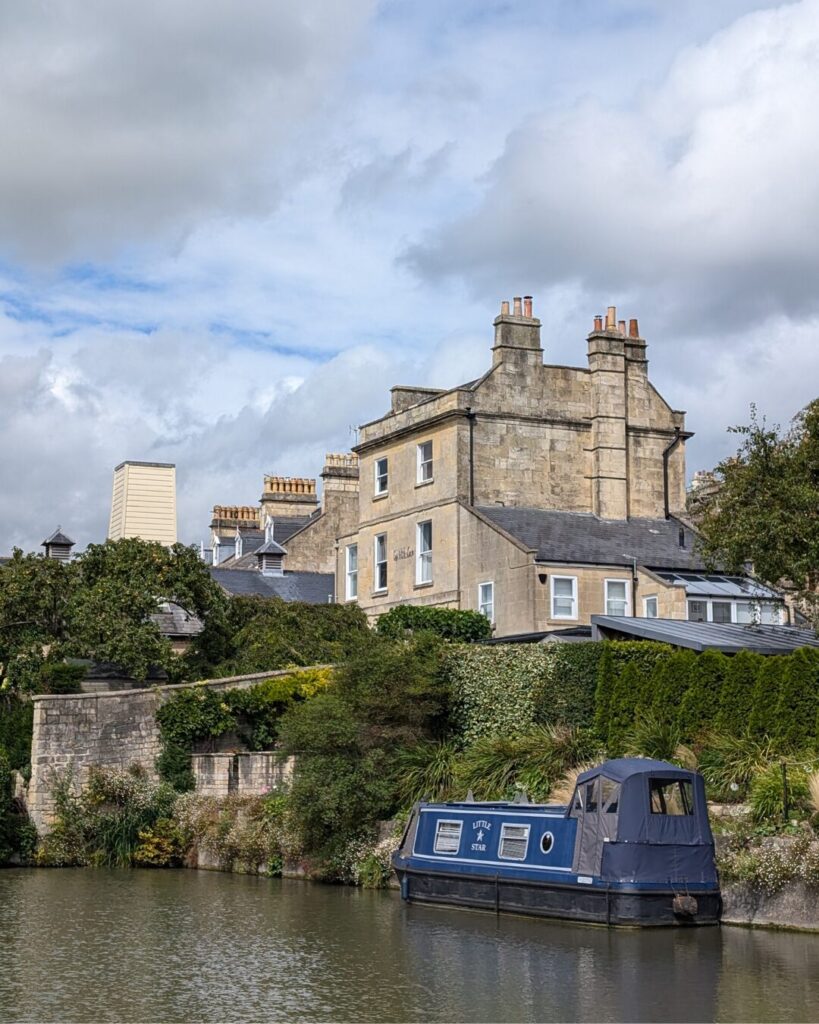
Bath is at the very southern end of the Cotswolds, which means that it virtually opens up to nature.
From the city centre, you can walk through Prior Park to the Kennet and Avon Canal and up to the Bath Skyline Trail, which has glorious views over the city. There’s a ParkRun here every Saturday that I always used to do when I lived here!
Further afield, you’ve got cycle paths through Somerset countryside to Bradford-on-Avon or Bristol and the rolling Mendip Hills.
Things to think about when visiting Bath
As you can see, there are LOADS of reasons to visit Bath – but, as it’s such a popular and relatively small city, there are also quite a few things to consider.
When to visit Bath
I’d say this is your most pivotal decision, as Bath is certainly busier at some times of year than others!
My top recommendation would be Spring (outside of the Easter holidays and May half term) or October.
Bath can have some lovely Spring days, but it will get busier as we move towards May. October can be a lovely time, with leaves turning red and orange, and is the sweet spot where summer crowds have dispersed but the Christmas celebrations haven’t begun!
Should I visit Bath in the summer?
It depends when in the summer. Bath is a tiny city. You can comfortably stroll from one end to the other in about 20 minutes, and the population hovers around 80,000.
But in the summer holidays, the population completely swells. As a local, I often went down to the centre some days, just to turn around and go back to my flat because it was so rammed.
I would advise avoiding Bath during the month of August, but if you want summery weather, June, early July or early September – preferably during weekdays rather than weekends – are best.
Should I visit Bath at Christmas?
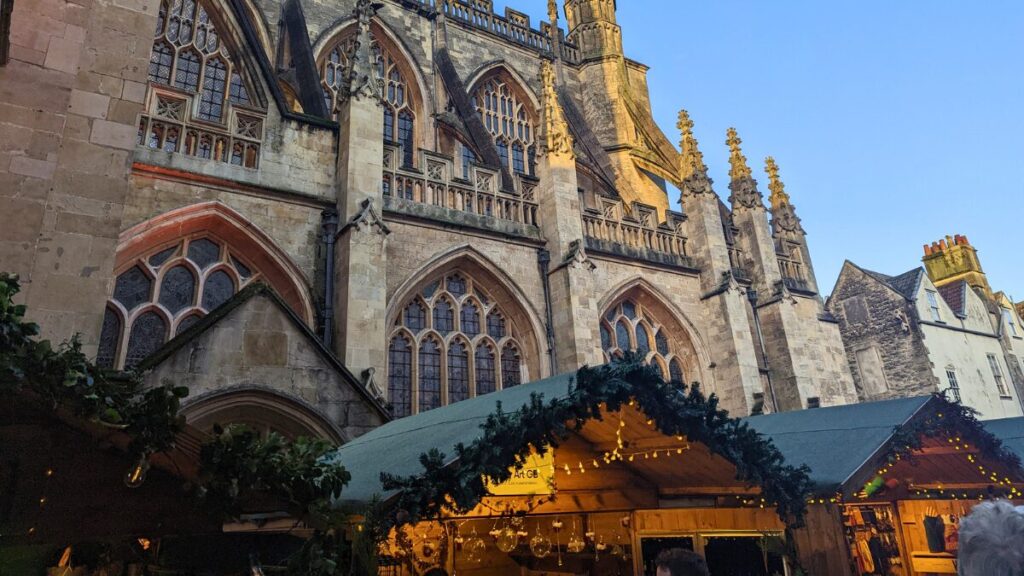
Bath is also jam-packed (but especially magical!) during Christmas.
The Bath Christmas Market is known as one of the UK’s best, and with the backdrop of Bath’s signature buildings, you’ll feel like you’re stepping straight out of a Christmas novel.
The Bath Christmas Market usually runs a bit earlier than other UK Christmas markets; in 2026, it will run from Thursday, November 26th to Sunday, December 13th.
While it is a magical time to visit, I’d recommend going in the week if you can. The weekends are, again, just so busy!
How long do you need in Bath?
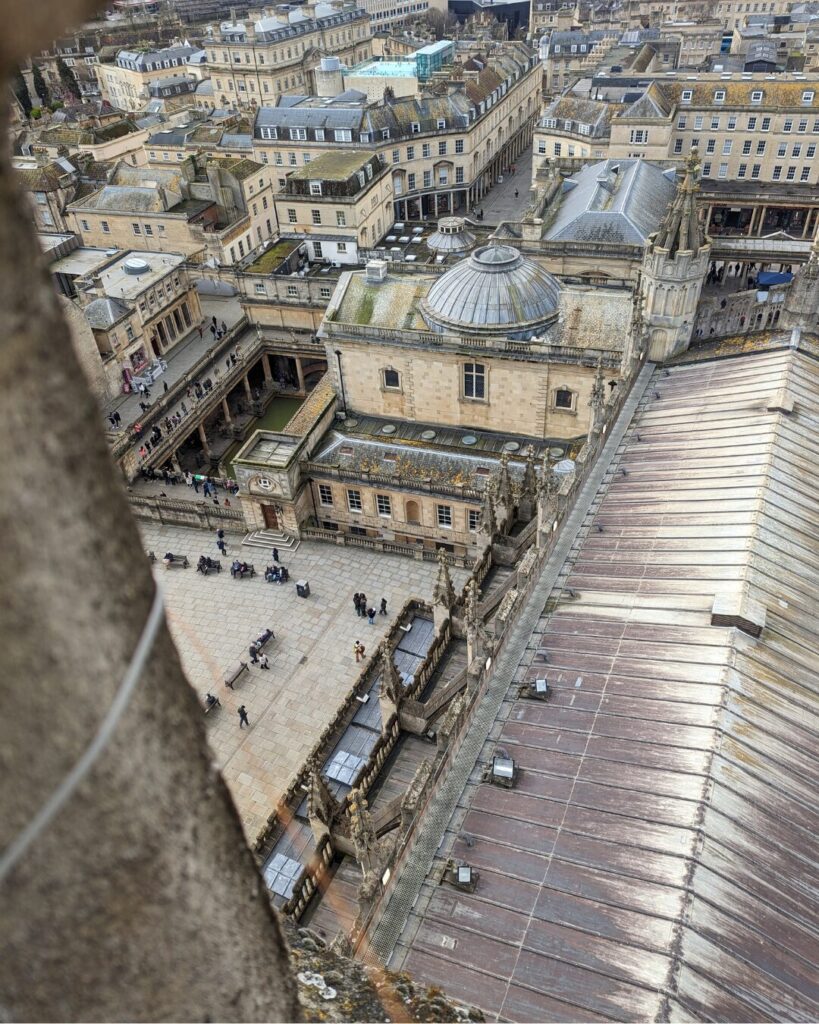
In all honesty, while I think Bath is a glorious city, I don’t think you need that long to see the centre.
You can see in my weekend in Bath itinerary that you can cover the museums, Abbey, baths, and a couple of restaurants in 48 hours.
Of course, if you want to see local nature or go out and about, by all means stay a bit longer!
Can I see Bath on a day trip?
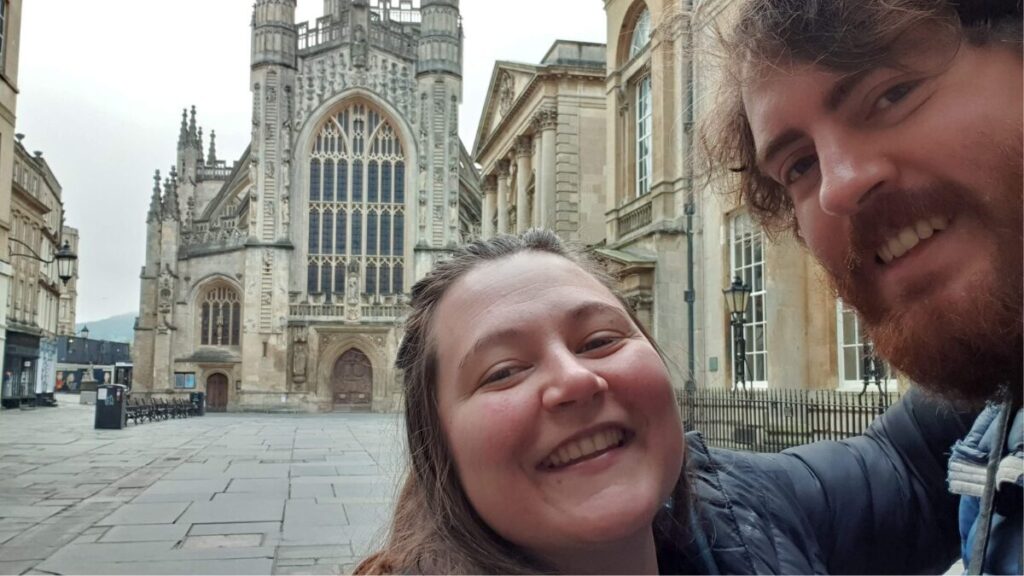
Yes, you can see Bath Abbey, the Circus, the Crescent and a couple of museums on a day trip. You might not have time to go to the Kennet and Avon Canal or the Bath Skyline, however.
I’d recommend taking the train to Bath if you’re visiting on a day trip. It’s 15 minutes from Bristol and just over an hour from London. There are congestion charges in the centre and parking can be challenging.
Is Bath better than Bristol?
You’re comparing apples to oranges with this question – I personally prefer Bristol, but I lived there much longer than I lived in Bath!
However, I’d recommend visiting both in the same trip – and perhaps even staying in Bristol and doing a day trip to Bath (it’s only 15 minutes on the train!).
Bristol is a much bigger yet less touristy city, although there’s so much to do here – check out all of the best things to do in Bristol here.
Plus, it’s a lot more comfortable than heaving Bath in the summer. And, we all know what fewer tourists means… lower prices!
Is Bath good for nightlife?
While there are wine bars and plenty of pubs, I wouldn’t call Bath a nightlife-focused city – although maybe I was biased, as I moved there from Bristol, which is one of the best cities in England for nightlife!
That said, the nightlife in Bath really wasn’t my 22 year old self’s cup of gin. Bath does have two universities and a significant student population, but if you have outgrown student nightlife, you might find yourself feeling a bit underwhelmed!
As I mentioned, Bristol is 15 minutes away on the train, and has literally every kind of nightlife you could imagine. Raves until 6am? You got it. Classy rooftop drinks? Yep. Street festivals? For sure.
Is Bath expensive?
Bath isn’t cheap! It’s not quite as pricey as London, but in general it’s one of the UK’s most expensive cities. If you’re watching your budget, I’d recommend only visiting for a day.
Here are a few tips to save money
- The Roman Baths uses dynamic pricing, so book your tickets early (and avoid busy slots if possible!). Pre-booked tickets are always cheaper than walk-ups.
- There are so many lush restaurants in Bath, but a picnic in one of the gorgeous parks also works well!
- Spend most of the day walking around – seeing The Circus, The Crescent and all the other gorgeous Georgian buildings is completely free!
- As I mentioned, consider staying in Bristol as it has more of a variety of budget accommodation than Bath!
So, should I visit Bath?
Absolutely! Bath is a wonderful city, it just requires a bit of forward planning to ensure you aren’t heading there at the busiest of times.
Take a look at my list of best hotels in Bath to start planning your trip!