
£31.87 million spent on new electric buses in Plymouth
Fifty new zero-emission electric double-decker buses are now fully in service across Plymouth and parts of Cornwall.
The rollout replaces almost half of Plymouth’s Citybus fleet and brings electric buses into everyday use. These vehicles are already operating on core routes.
The project represents an investment in bus travel across the far south west. Here’s all you need to know!
(Please note that photos in this article may not be of the new buses, we are a small business and don’t have the resources to get credit-free images for every breaking story).
How the £31.87 million project was funded
The electric bus programme has been delivered through a partnership between bus operators, local authorities and central government.
Funding came jointly from Plymouth Citybus and Go Cornwall Bus, alongside support from Plymouth City Council, Cornwall Council and the Department for Transport.
Government backing was provided through the ZEBRA 2 scheme, which supports zero-emission bus projects across England.
Local authority involvement ties the investment into wider transport and air quality strategies, while operator funding reflects a long-term commitment to maintaining and expanding the fleet.

Routes now operating electric double-deckers
All fifty electric buses are now running across a number of key services in Plymouth and Cornwall.
These include routes 21A, 42, 50 and 51, which serve busy urban corridors within the city.
Electric buses are also operating on route 70, a significant link connecting Plymouth with communities on the Rame Peninsula in Cornwall.
What passengers notice on board
The new buses have been designed with accessibility and usability in mind.
Each vehicle includes two dedicated wheelchair bays and step-free access, making boarding easier for wheelchair users, people with pushchairs and those with reduced mobility.
Audio-visual announcements have clear next stop and route information.
Interior layouts have also been designed to be dementia-friendly, with clearer contrasts and layouts intended to reduce confusion.
Combined with the quieter electric drivetrains, journeys are supposed to feel calmer!
Air quality and noise improvements across the network
One of the central aims of the project is to reduce transport-related pollution.
The electric buses produce no tailpipe emissions, cutting carbon dioxide output alongside nitrogen oxides and fine particulate matter.
These pollutants are closely linked to air quality concerns in urban areas, particularly along busy roads and at major junctions.
Noise reduction is another immediate effect.
Electric buses operate more quietly than diesel vehicles, especially when accelerating or pulling away from stops. This has implications for streets lined with housing and city centre areas where buses pass frequently throughout the day.
Major upgrades at Milehouse Depot
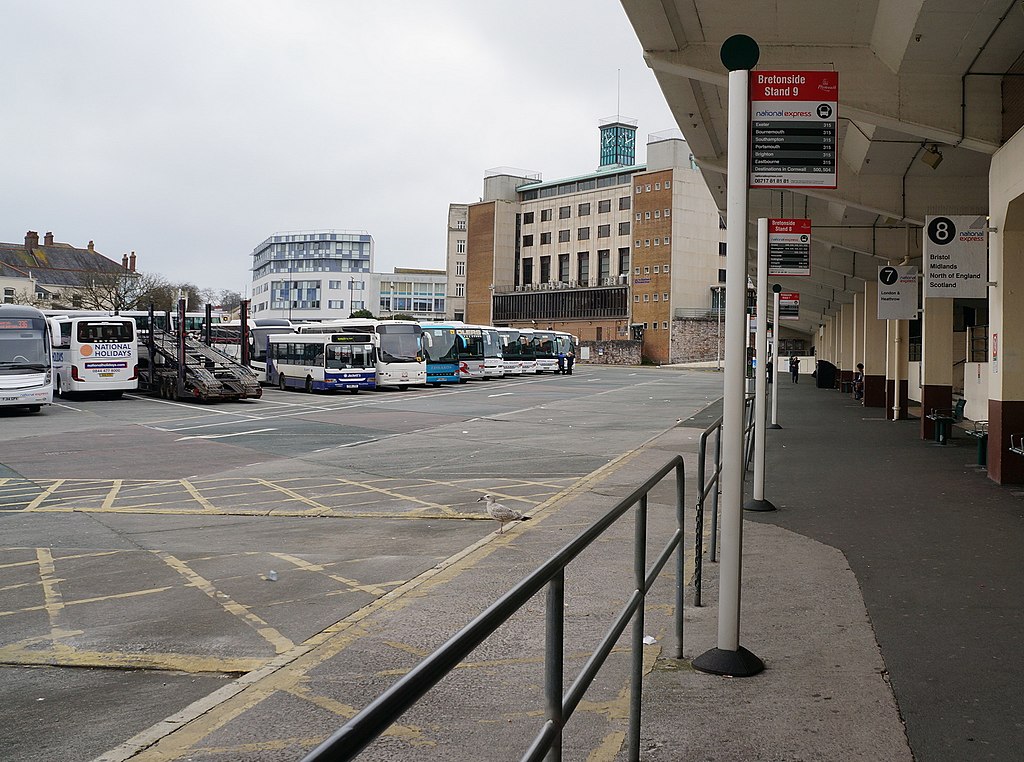
As part of the project, Milehouse depot in Plymouth has undergone major upgrades to enable full electric charging and ongoing maintenance. The depot can now handle the operational demands of the fleet, ensuring vehicles can be charged overnight and returned to service reliably each day.
Official comment
Richard Stevens, Managing Director of Plymouth Citybus and Go Cornwall Bus, described the full rollout as an important moment for both the organisation and the city. He highlighted cleaner air, quieter streets and an improved passenger experience as key outcomes of the project.
Visiting Plymouth? Check out my list of the best things to do here.