How to visit Cornwall’s foreboding ex-prison
I spent a day exploring Bodmin and Bodmin Moor recently, and the highlight was undoubtedly visiting Bodmin Jail.
Originally opened in 1779, the prison is one of Cornwall’s most important historic attractions. Following a major restoration project, visitors can now walk through the jail’s Victorian wings, learn about some of Cornwall’s most notorious criminals and discover how punishment changed over nearly 150 years.
I wasn’t entirely sure what to expect before visiting. Prison museums can sometimes feel a little repetitive, but Bodmin Jail is much more immersive than many historic attractions!
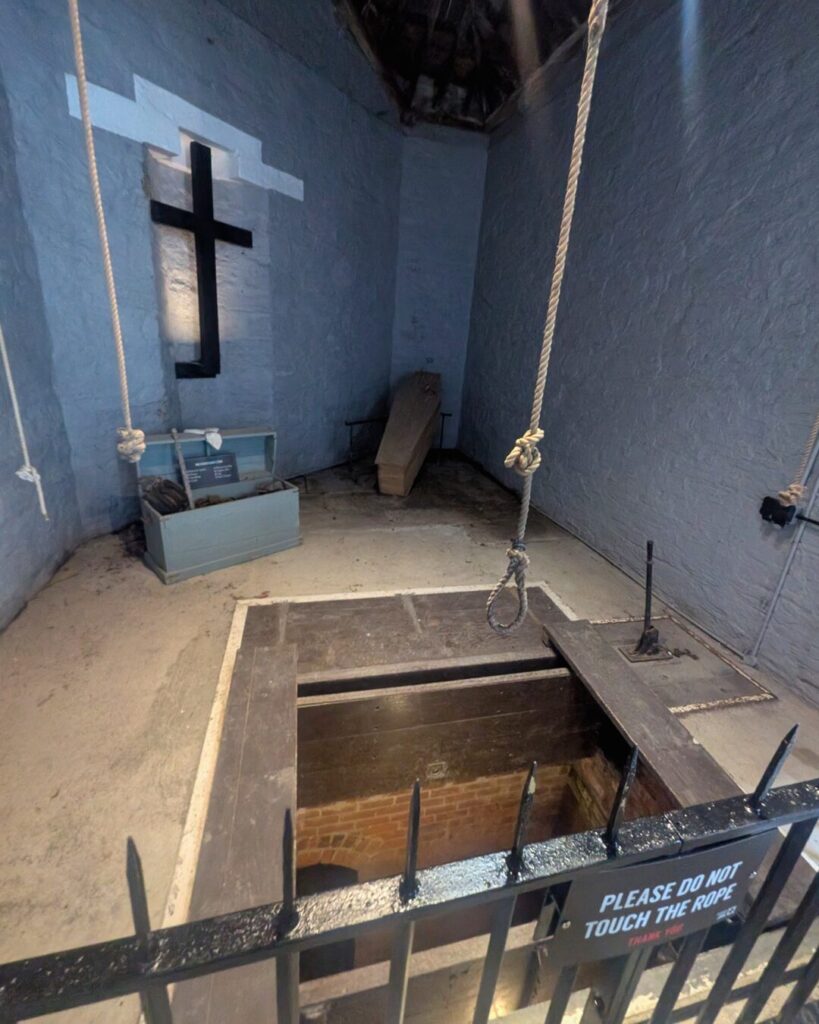
Trigger warning: this article contains references to hanging, and an image of a long drop execution system.
The history of Bodmin Jail
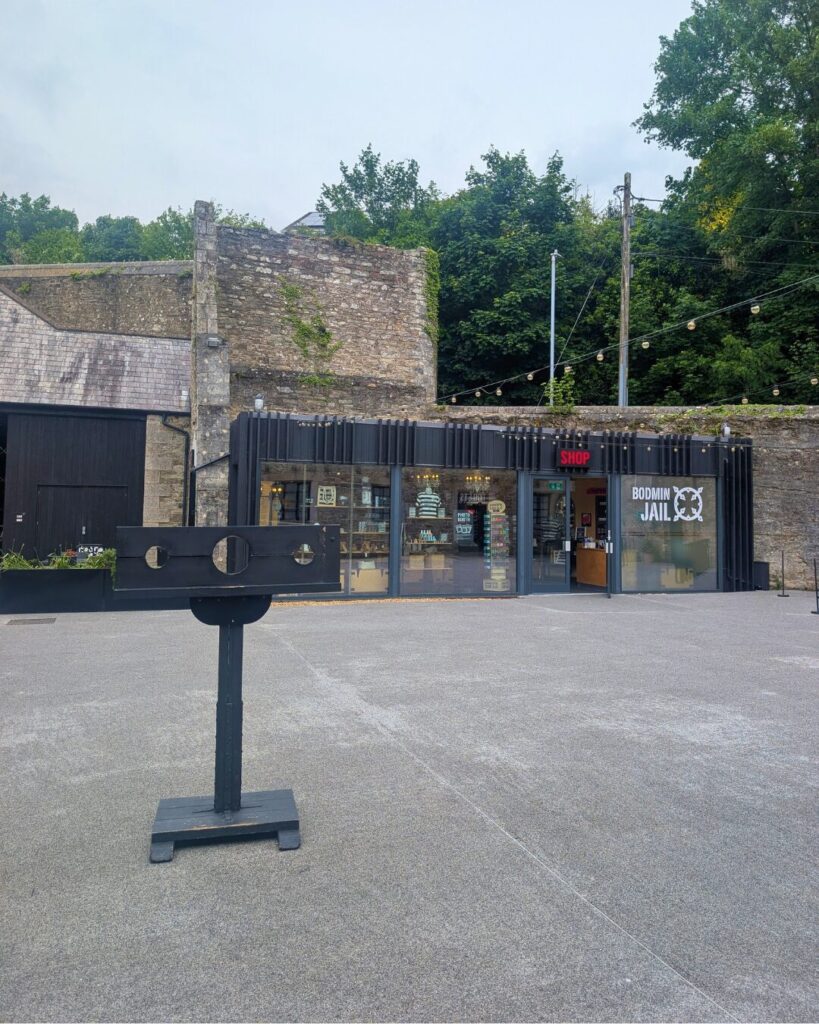
To understand Bodmin Jail, it helps to understand why it was built in the first place.
During the 18th century, prisons across Britain were notorious for overcrowding and disease. Many prisoners died before ever completing their sentences.
Prison reformer John Howard spent years inspecting prisons around England and Wales and published his findings in 1777. His report, The State of the Prisons, highlighted shocking conditions and helped drive calls for reform.
As a result, Cornwall received permission to build an entirely new prison. Construction began in 1779 under military engineer Sir John Call, with French prisoners of war helping to build the site.
The new Cornwall County Gaol, now known as Bodmin Jail, was considered revolutionary for its time. It provided healthcare and offered significantly better conditions than many prisons elsewhere in Britain.
The original prison could hold around 67 inmates, but rising crime during and after the Napoleonic Wars quickly led to overcrowding. Extensions were added throughout the early 19th century, but by the 1850s the prison was again considered inadequate.
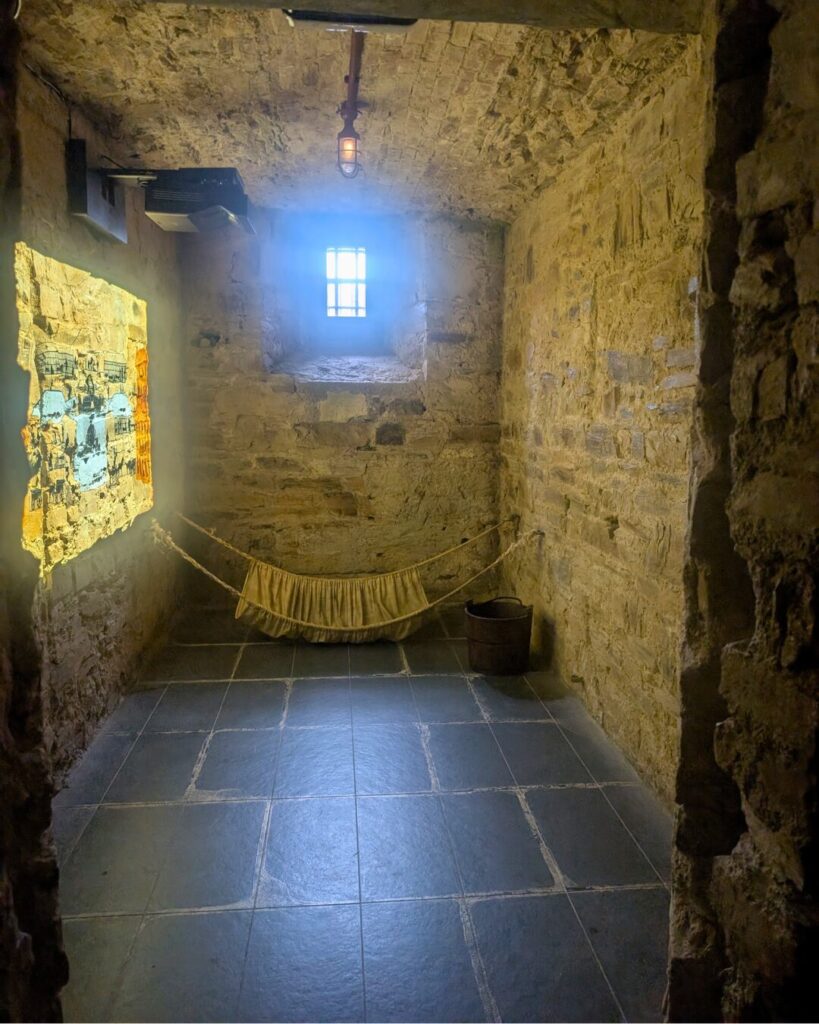
Rather than continue expanding the old structure, authorities effectively rebuilt the jail. By 1861, Bodmin Jail had become a much larger Victorian prison with more than 220 cells and a modern heating system.
Many of the buildings visitors see today date from this Victorian reconstruction.
The prison also witnessed major changes in Britain’s justice system. Public executions, once attended by crowds of thousands, were abolished in 1868. Bodmin built a dedicated execution facility away from public view, and later adopted the “long drop” method developed by executioner William Marwood, which was intended to make death instantaneous.
The final execution at Bodmin Jail (and in Cornwall) took place in 1909.
The prison gradually declined during the early 20th century. The women’s wing closed in 1911, the civilian men’s section followed in 1916 and the final inmates, members of the Royal Navy, left in 1923. Bodmin Jail officially closed four years later, leaving Cornwall without a prison.
The buildings were sold to demolition contractors in 1929, who dismantled parts of the complex and even attempted to blow up some of the larger wings with dynamite. Despite these efforts, much of the prison survived.
Over the following decades the site found a surprising variety of new uses: workshops, garages, sports facilities and even a nightclub known as the 99 Club!
By the early 21st century, however, the remaining buildings had fallen into severe disrepair and faced an uncertain future.
That changed in 2016 when a major redevelopment project began. Following an investment of around £65 million, the site was transformed into the attraction and hotel that visitors see today.
When Bodmin Jail reopened in 2021, it combined the preserved Victorian prison with modern technology and immersive exhibits.
Walking through Cornwall’s darker history

The visit begins with what’s known as the Dark Walk.
This 4D experience uses sound and light to introduce you to crime and punishment in Georgian and Victorian Cornwall. It tells the stories of real people who ended up on the wrong side of the law.
First, there’s a story about Selina Wadge, a young woman who abandoned her baby on Bodmin Moor. She had given birth outside marriage and later found a man willing to marry her, but not if she brought another man’s child into the relationship. Faced with poverty and social exclusion, she made a desperate decision that ultimately led to her execution.
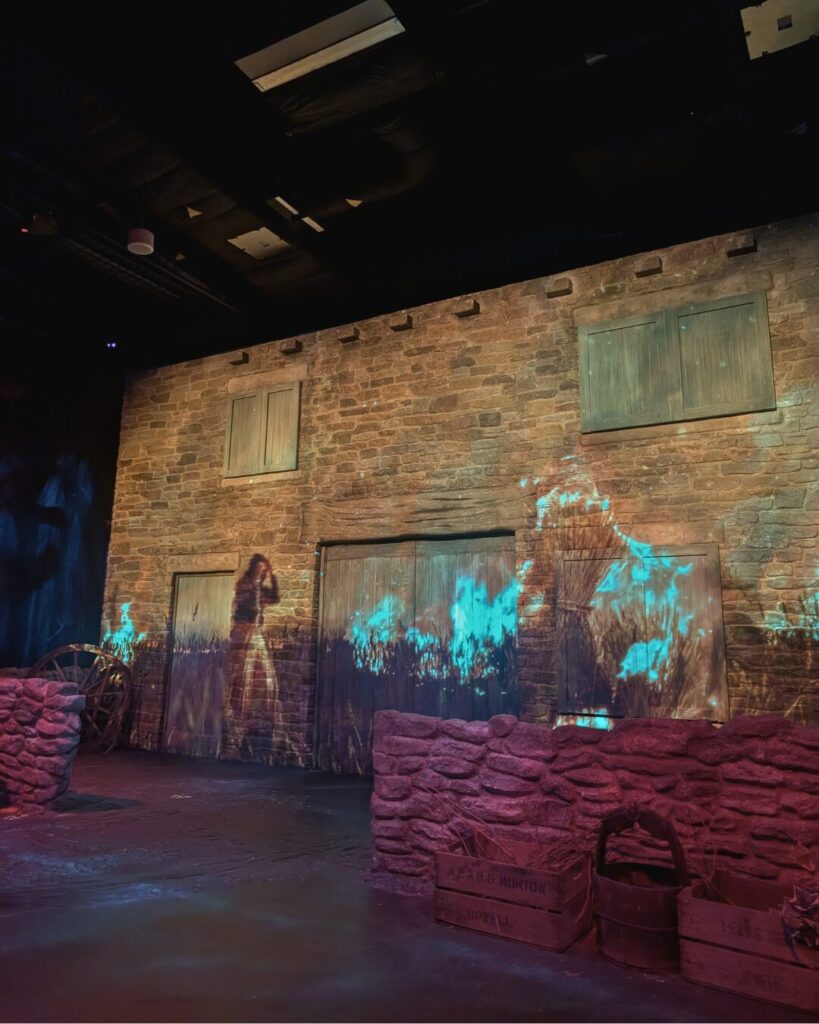
Another story follows Elizabeth Osborne, who set fire to a farmer’s crops after a dispute. While the exact circumstances are unclear, arson was treated incredibly seriously at the time, and she too was sentenced to death.
Visitors also learn about two men – James and William Lightfoot – who murdered Nevell Norway on Bodmin Moor and Sarah Polgrean, who poisoned her abusive husband with arsenic.
The Dark Walk does an excellent job of showing how brutal the justice system could be and how many people found themselves facing execution.
The Georgian Bloody Code
One of the most fascinating parts of the experience is learning about the Georgian Bloody Code. The government believed that severe punishments would deter crime, so more than 200 offences carried the death penalty.
Murder and violent crimes were included, but so were offences that seem astonishing today.
Damaging a fish pond, stealing certain animals and even tearing a gentleman’s pocket from his coat could potentially result in execution.
The authorities hoped that fear would reduce crime. Instead, it created a system where huge numbers of people were sentenced to death for offences that today would receive comparatively minor punishments.
The prison buildings
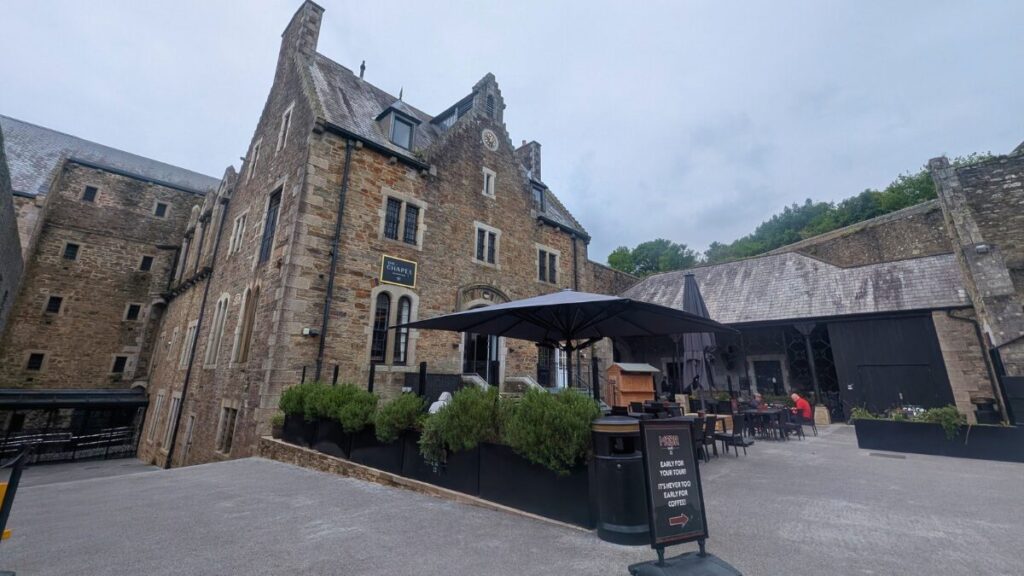
After the Dark Walk, the guided tour moves into the prison buildings.
The guides explain how prison conditions evolved from the Georgian period into the Victorian era and how reformers attempted to improve conditions.
Visitors can see recreated Georgian cells, where prisoners were often crammed together in unsanitary conditions regardless of age, gender or offence.
One of the most shocking facts is that children could be imprisoned here. In some cases, children as young as eight found themselves behind bars.
The Victorian cells show how attitudes gradually changed. They were still harsh places to live, but heating, ventilation and access to books slowly appeared as rehabilitation became a greater focus.
Public executions in Bodmin
The tour also covers executions, which were once major public events.
Thousands of spectators would gather to watch hangings, with some travelling considerable distances to attend. What seems horrifying today was often treated as a form of public entertainment.
The Lightfoot brothers – who were convicted of robbing and murdering a timber merchant on Bodmin Moor – were a rare double execution, which drew crowds from London.
The guides explain how public executions eventually fell out of favour and were replaced by private hangings during the Victorian era.
It’s a fascinating glimpse into changing attitudes towards crime and punishment.
Is Bodmin Jail worth visiting?
Absolutely.
The attraction combines Cornwall’s history, true crime stories, prison reform, local legends and immersive storytelling into one experience.
I did find the guided section a little long at around two hours, and there’s a huge amount of information to take in. However, the quality of the storytelling keeps it engaging throughout.
If you’re visiting Bodmin Moor, Jamaica Inn or any of the surrounding attractions, it’s well worth adding Bodmin Jail to your itinerary.