How to see Stonehenge for FREE four mornings a year
There are a small handful of mornings each year when the rules at Stonehenge change, and one of them falls this Wednesday.
English Heritage opens up free Managed Open Access to the stones four times a year – at both solstices and both equinoxes – letting visitors walk right into the circle. This is something that isn’t normally allowed outside of these special access windows.
If you’ve ever stood at the roped-off viewing point wishing you could get just a little closer, this is your chance!
Autumn Equinox viewing
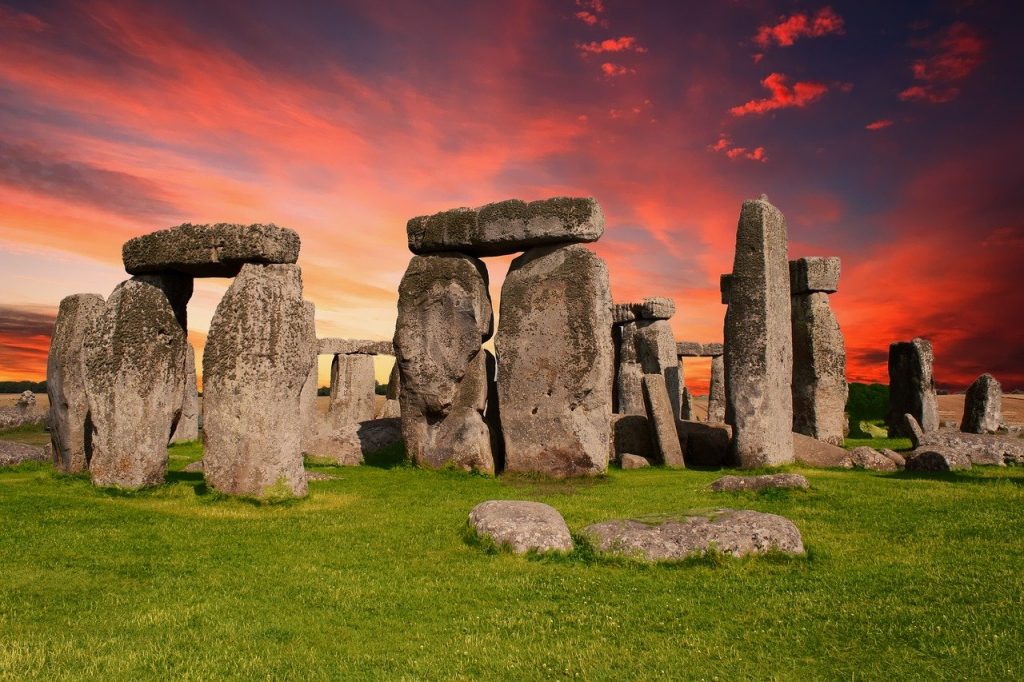
The Autumn Equinox falls on Wednesday 23rd September 2026 – it’s the point in the year when day and night are roughly equal length. It’s much quieter than Summer Solstice, which draws thousands of people for an all-night festival-style vigil as the sun rises behind the Heel Stone!
The equinoxes and Winter Solstice tend to be smaller affairs, but the access is exactly the same: right up to the stones (don’t touch or climb on them), for free.
The timings
- Car park opens: 5.15am
- Monument field opens: as soon as there’s enough natural light — expect that shortly before sunrise
- Sunrise: 6.54am
- Open access ends: 8.30am
- Car park cleared by: 10am
It’s a tighter window than you might expect, so turn up early!
Getting there
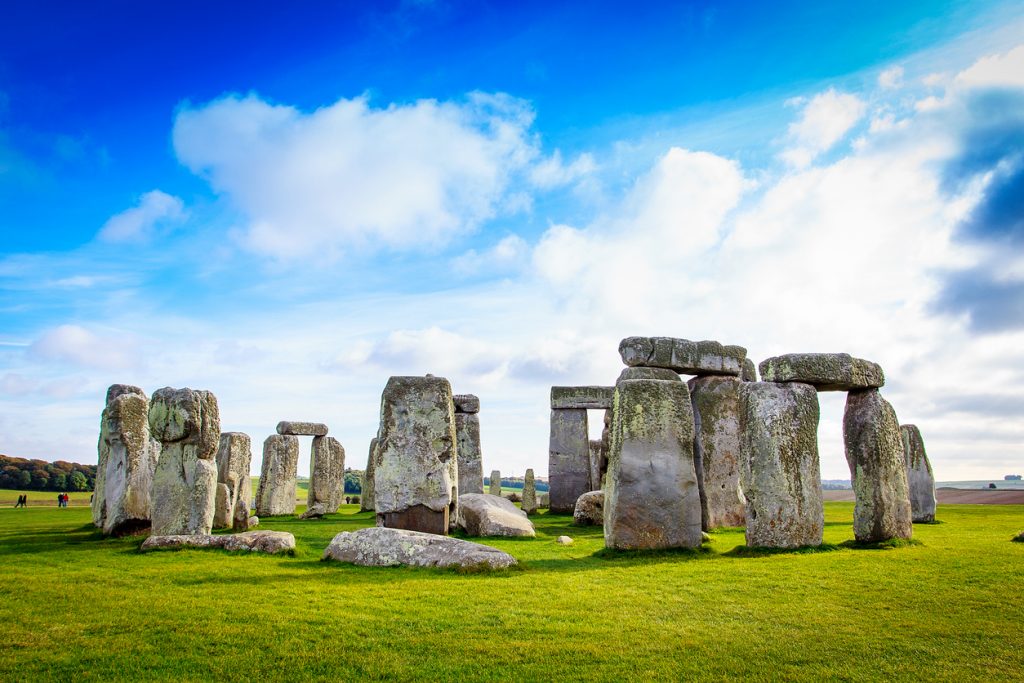
It’s roughly a 1.5-mile walk (25–30 minutes) from the Stonehenge Visitor Centre to the stones, across National Trust downland that’s uneven underfoot and, at that hour, still dark. Don’t forget sensible shoes and a torch!
A shuttle bus also runs to the stones once the field opens.
What to expect
Stonehenge is a World Heritage Site and, for many of the people who travel to be there at dawn, a sacred place. Open access days draw a real mix of people – druids and pagans marking the turn of the season alongside families, photographers and curious first-timers.
Read about Stonehenge mysteries that historians keep arguing about!
The usual visitor rules still apply: no alcohol, drugs, glass, drones or amplified music, and a request to treat the stones and fellow visitors with respect. Do not touch or climb on the stones.
Will you make it?
If you can make it, it’s a special South West morning.
Miss this one? Mark your calendar – it will happen again at Winter Solstice, Spring Equinox and, of course, Summer Solstice.