Is Falmouth worth visiting? My top pros and cons
Falmouth is one of my favourite places to visit in the whole of the UK. I adore the vibe of it; it’s a fun university town with a very surprising array international restaurants (for Cornwall!).
It’s history isn’t that long, but it’s fascinating.
The beaches spread out along the coastline and it’s in close proximity to the Lizard and other beauty spots.
However, there are a few things to think about before visiting Falmouth – I’ll go into them below!
Reasons to visit Falmouth
History
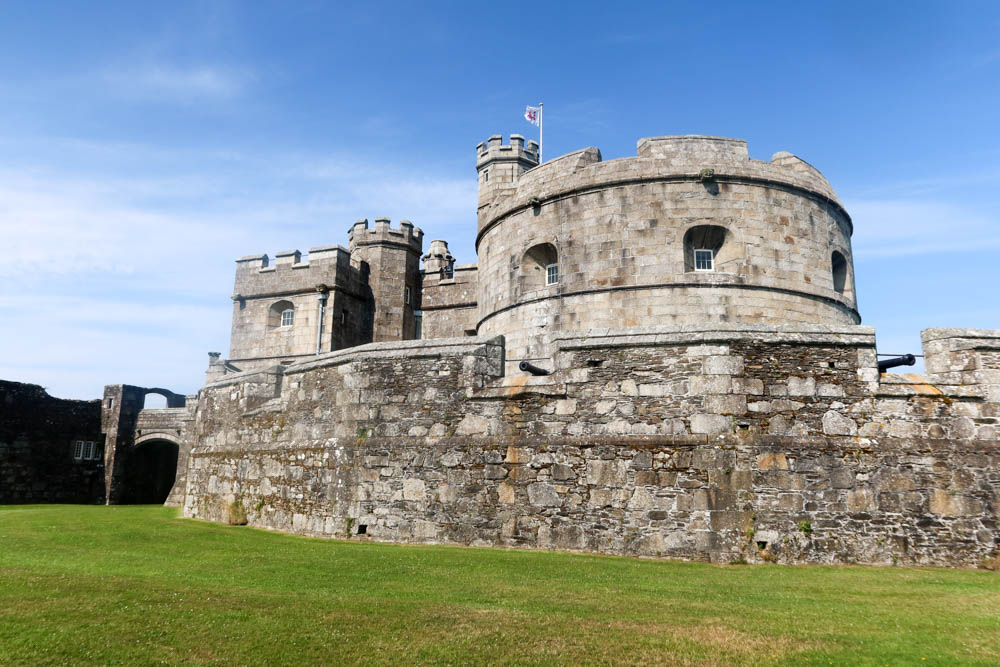
Few places in Cornwall have as fascinating history as Falmouth, although it doesn’t span as far back as its ancient fishing villages!
Its history actually starts with Pendennis Castle, which was built here in Tudor times – it was part of a defensive network of castles along the southern coast as commanded by Henry VIII. The castle’s an English Heritage property (read this post next to discover how you can save big on English Heritage entry!).
Falmouth itself is just 400 years old, and it was founded by privateers! Sir Walter Raleigh suggested establishing a town here to connect with colonies in the “New World”.
Falmouth thus connected Cornwall to the rest of the world, and the “Falmouth Packet” was the ship that arrived in the docks with news from Asia, Africa and the American Colonies. Falmouth would usually find out the news a few days before London!
You can find out much more about Falmouth’s history in the National Maritime Museum in the town centre. I’d also recommend the Falmouth Uncovered walking tour.
Docks
Falmouth’s docks are world-famous!
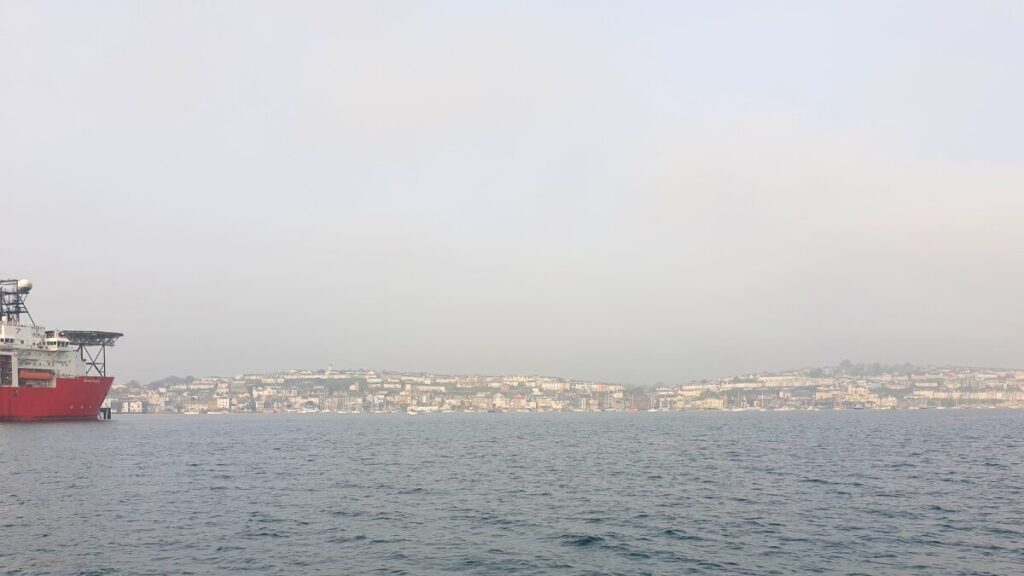
It’s the third deepest natural harbour in the world and is the main cruise stop in Cornwall (and one of the biggest in the South West). Cruises from Scotland, Ireland and further afield destinations in Europe and elsewhere in the world call here.
I once did a tour from Plymouth to Falmouth on a Cornish lugger ship, so docked in the harbour and took a tender boat into Falmouth.
If you’re not on a cruise, you can take it in by using the water taxi that crosses Carrick Roads to St Mawes. There’s a Tudor castle (St Mawes Castle) here that’s worth visiting!
Food scene and nightlife
To be honest, the food scene is one of the things I love the most about Falmouth. When my partner and I were hiking the Cornish coast path in the summer of 2021, I was trying to find vegetarian fish and chips everywhere. Falmouth was the first time I was in luck, with their “tofish” – tofu and seaweed in batter – at Harbour Lights.
We also loved The Front, which is just in front of Harbour Lights (hence the name). They let you buy fish and chips from Harbour Lights – or grab a takeaway from anywhere else – and eat it in the pub with a pint of Rattlers or Doombar (or any other drink!).
Falmouth’s always had much more of an international flair than Cornwall’s other towns and villages, all the way back to the Falmouth packet days. We had a lovely Thai meal in Thai E San Restaurant, and spotted a Caribbean restaurant, Cribbs, that we’d love to try one day.
We also had a great night at Beerwulf, which is a bookshop-cum-pub. There are so many other bars that I’d love to try out in Falmouth at some point too! Both the international flair and the nightlife is thanks to the university campus in nearby Penryn – which is the art branch of the University of Exeter.
Beaches
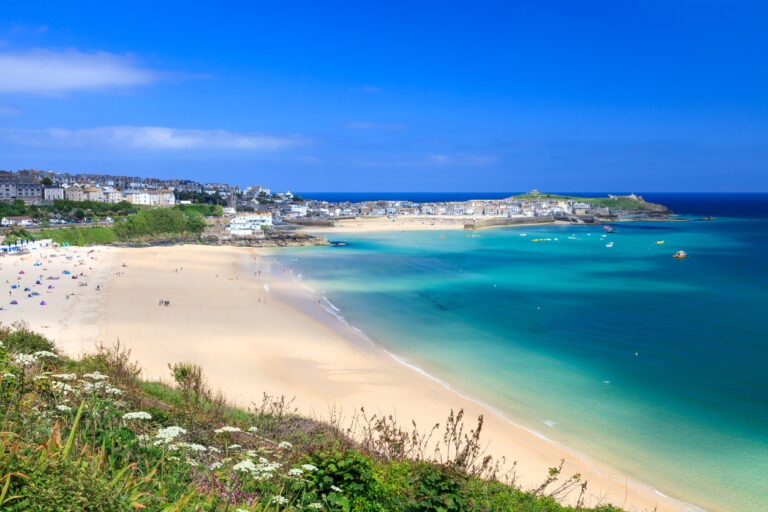
Of course, there are plenty of lovely beaches close to Falmouth!
Gyllngvase Beach is a short walk from the town centre. t’s a wide, sandy beach with toilets, a café and watersports equipment available to hire.
Next to Gyllyngvase, Swanpool Beach is a little smaller and has a café that serves some very extravagant ice creams! You can also hire kayaks here.
Keep walking around the coast and you’ll reach Maenporth Beach, another sandy cove with views across Falmouth Bay.
Proximity to other Cornish destinations

Falmouth is in the western part of Cornwall, but it’s not as west as say, Penzance or Mousehole.
This means that it’s close to a range of other Cornish destinations – it makes a great base while you’re exploring other spots in the Duchy!
Truro, Cornwall’s only city, is just half an hour away and is home to a cathedral, the fantastic Royal Museum of Cornwall and plenty of shops – it’s ideal for a rainy day.
I also love the Helford area, which has lush river scenery and underrated walks.
Then there’s the entire Lizard – my favourite part of Cornwall. You can see why here.
Decent hotel scene
As one of Cornwall’s larger towns, Falmouth has a decent range of places to stay.
There are several hotels around Gyllyngvase Beach, including St Michaels Resort and The Falmouth Hotel. You’ll also find guesthouses, apartments and cheaper accommodation closer to the town centre.
Prices rise considerably during the summer holidays, so I’d recommend booking well in advance if you’re visiting in July or August. Staying in the town centre also means that you can reach the restaurants, bars and harbour without driving.
Things to think about when visiting Falmouth
It’s busy
Falmouth can be busy all year round.
In term time, the population swells with students. They start to go home around May, but then the tourist season kicks off. Falmouth doesn’t get as busy as say, St Ives, but it still can be pretty hectic there in the summer season!
Not as scenic as other places in Cornwall
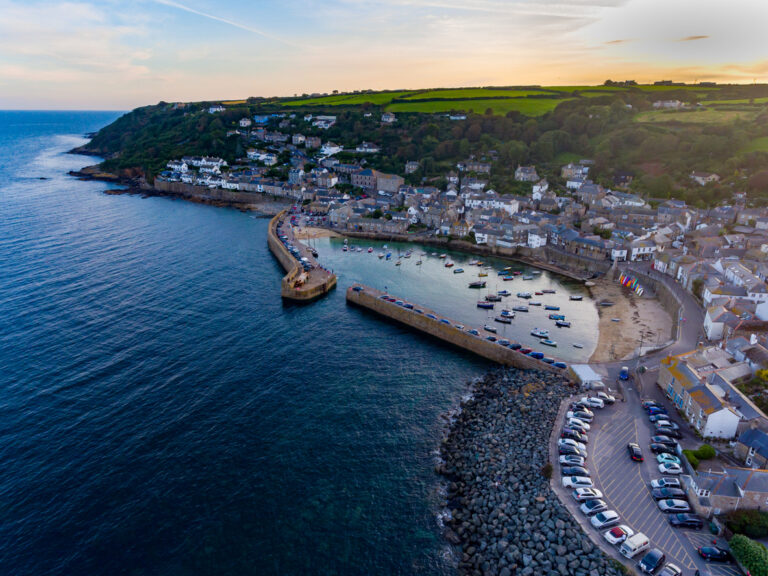
While Falmouth can be busy, it doesn’t quite have the scenes of Mousehole, Port Isaac or Padstow. The beaches are beautiful, don’t get me wrong – and the proximity to the Lizard still swings it for me – but it doesn’t quite have that “fishing village vibe” that many people go to Cornwall for.
That said, these fishing villages can be hard to visit. They’re busy all the time and often expensive – I generally prefer to stay somewhere a bit bigger!
It can be expensive!
Like most popular places in Cornwall, Falmouth can be expensive, particularly during the summer season. Accommodation prices increase substantially, and restaurants around the harbour aren’t always cheap either.
However, it’s easier to visit Falmouth on a budget than some of Cornwall’s smaller coastal villages. There are supermarkets and plenty of free things to do, including visiting the beaches and walking along the coast.
Falmouth also has a train station, so you don’t necessarily need to pay for parking every day.
Is Falmouth better than Newquay?
It really depends on what you’re looking for! I’d say Newquay has better beaches in the immediate area (although the coastline around the Lizard is my favourite in all of Cornwall, but that’s a bit of a drive from Falmouth).
Both have a lot going on; Falmouth is more of a creative, international vibe whereas Newquay has more to do for families. Both are a good night out, but Falmouth has more quirky bars and Newquay has more “party” places.
I personally prefer Falmouth, but I was surprised by how much I enjoyed a weekend in Newquay a few years back!
So, is Falmouth worth visiting?
Yes, I definitely think Falmouth is worth visiting!
It doesn’t have the traditional fishing-village feel that you’ll find in Mousehole or Port Isaac, but there’s much more going on. You’ll have a wide choice of restaurants and pubs, several beaches within walking distance and plenty of history to discover.
It also works well as a base for visiting Truro, the Helford River and the Lizard Peninsula. I’d particularly recommend Falmouth if you want a Cornish seaside break without staying somewhere that becomes very quiet in the evening.